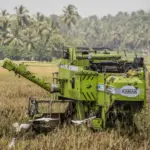
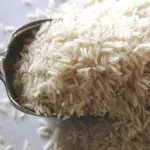
In the ever-evolving landscape of food production,cereal processing stands as a cornerstone of innovation and efficiency. As breakfast tables worldwide are graced with an array of cereals, understanding the intricacies behind their processing becomes paramount. This article delves into the essential techniques and specifications that can significantly enhance product performance and efficiency in the cereal industry.Whether you’re a seasoned manufacturer or a newcomer to the field, optimizing cereal processing not only promises to elevate the quality of the end product but also streamlines production efforts and reduces environmental impact. Join us as we explore key methodologies that empower producers to meet consumer demands while navigating the challenges of an increasingly competitive market.
Advancements in Material selection for Superior Cereal Processing Efficiency
Recent advancements in material selection for cereal processing have significantly enhanced efficiency and product performance. Key materials such as advanced polymers, high-strength stainless steels, and composite materials are being utilized to optimize various processing stages, including milling, mixing, and extrusion. As an example, the use of high-performance polymers like polyether ether ketone (PEEK) and polyphenylene sulfide (PPS) has become prevalent for components exposed to abrasive materials due to their superior wear resistance and thermal stability. This selection minimizes maintenance downtime and increases throughput. Similarly, stainless steel alloys, such as 316L, offer excellent corrosion resistance and durability, essential for maintaining hygiene standards in food processing while ensuring prolonged equipment lifespan.
When selecting materials, several criteria are critical for optimizing cereal processing systems: mechanical properties (tensile strength, hardness), chemical resistance, thermal stability, and cost-effectiveness. For example, the preferable use of dual-material construction in extrusion dies allows for enhanced heat dissipation while retaining robustness—comparing traditional aluminum dies with newer composite options reveals significant reductions in heat transfer rates, thus improving processing temperatures and product consistency. It is also significant to consider limitations; advanced materials can incur higher initial costs,wich may not be justifiable for small-scale operations. Performance factors, including how materials interact with specific cereal characteristics (e.g., moisture absorption or abrasive properties of grains), should also guide material choices to ensure optimal efficiency throughout the processing chain.

Engineering Innovations in Process Design: Maximizing Yield and Quality in Cereal Production
Engineering innovations in process design for cereal production focus on maximizing yield and quality through various mechanisms and specifications.the application of advanced technologies such as separation engineering, sensor-based sorting, and automated control systems has revolutionized cereal processing. For instance, the implementation of optical sorting technology allows for precise removal of impurities and substandard grains, enhancing the overall quality of the final product. This system utilizes high-resolution cameras and infrared sensors to detect and remove defective kernels based on size,color,and shape,significantly reducing contamination levels. By integrating these systems, processors can achieve quality improvements, with studies showing reductions in waste by up to 20%, thereby maximizing yield.
Another notable innovation lies in the enhancement of milling processes through modular milling systems. Unlike traditional milling systems which operate linearly and frequently enough result in over-processing, modular systems facilitate customized milling parameters adjusted in real-time, improving both yield and consistency of flour particle size. Specifications for these modular systems typically include variable feed rates, optimal moisture retention throughout milling, and fine-tuned particle size distribution (PSD) management based on end-use requirements. A comparison of conventional versus modular milling demonstrated that adjustable PSD can lead to a 15% increase in flour yield while maintaining quality standards for baking and cooking applications. However, challenges remain, such as the need for continual maintenance, and the initial capital expenditure for advanced technologies can be significant. these engineering innovations are pivotal in addressing the performance factors that directly impact cereal processing efficiency and product quality.

Evaluating Performance Metrics: The Impact of Processing Parameters on Cereal Quality
Evaluating the performance metrics of cereals involves a thorough examination into how various processing parameters can significantly influence the final product quality.Key metrics such as nutritional content, texture, color, and flavor must be examined in conjunction with specific processing parameters like temperature, moisture content, and shear force. For example, during extrusion cooking, high temperatures combined with adequate moisture can enhance the gelatinization of starches, leading to improved digestibility and mouthfeel.Conversely, excessive heat can degrade sensitive vitamins, resulting in nutritionally inferior products. The table below illustrates the impact of different moisture levels on the final texture of puffed cereals:
| Moisture Content (%) | Texture Characteristics | Flavor Profile |
|---|---|---|
| 8-10% | Crisp, light | Enhanced sweetness |
| 10-12% | Chewy, dense | Mild, less intense |
| 12-15% | Soft, soggy | Off-flavors develop |
Moreover, mechanical processing parameters like grinding and milling significantly influence the texture and particle size distribution, which are critical for achieving desirable end-product characteristics. As an example,a finer particle size may enhance mixing and hydrating efficiency but can lead to undesirable gelation if not managed properly. Consider the use of roller mills versus hammer mills: while the former produces a more uniform particle size, the latter may introduce higher levels of heat during processing, potentially degrading flavor compounds. Limitations of current performance metric evaluations may arise from the singular focus on end-product characteristics without adequately considering the entire processing chain,including pre-treatment steps like soaking or conditioning,which are crucial for optimizing results. Factors such as the type of cereal grain and it’s inherent properties also dictate the effectiveness of processing parameters, necessitating a balanced and complete approach to achieve optimal results.
Navigating Limitations in Cereal Processing: A Comparative Analysis of Techniques and Outcomes
Navigating the limitations in cereal processing requires a deep understanding of various techniques and how they interact with product specifications. Technologies such as extrusion, flaking, and puffing have different impacts on the physical and chemical properties of cereals. Extrusion, such as, offers advantages in terms of increased digestibility and enhanced flavor release due to high temperature and shear forces during processing.Though, it can lead to overcooking and nutrient degradation if not precisely controlled, limiting the nutrient profile of the final product. Conversely,flaking involves less thermal processing,maintaining a greater degree of nutrient integrity,but may result in a less appealing texture,impacting consumer preference. Thus, the criteria for selecting the appropriate technique largely depend on the desired product characteristics such as texture, shelf-life, and nutritional content.
Furthermore, the scalability of these techniques introduces additional performance factors that must be addressed. For instance, scaling up an extrusion process may lead to variations in heat distribution and moisture content, potentially resulting in an inconsistent product.The following table summarizes key limitations and performance considerations across different cereal processing techniques:
| Technique | Advantages | Limitations |
|---|---|---|
| Extrusion |
|
|
| Flaking |
|
|
| Puffing |
|
|
Understanding these mechanisms and limitations can facilitate more informed decision-making in selecting the optimal processing technique for specific cereal products. Ultimately, the synergy between technology choice and expected outcomes plays a crucial role in optimizing both efficiency and product performance.
Final Thoughts
In the quest for excellence in cereal processing, the journey is marked by a blend of tradition and innovation. As we’ve explored the key techniques and specifications that underlie enhanced product performance and operational efficiency, it becomes evident that attention to detail and a commitment to quality can yield significant benefits. By embracing advancements in technology, maintaining rigorous quality control standards, and continuously refining processing methods, manufacturers are well-equipped to meet the ever-evolving demands of the market.
As the cereal industry faces new challenges and opportunities, optimizing processing methods is not merely an option but a necessity. The insights shared in this article serve as a foundation for future exploration and investment in the sector. Whether through the implementation of state-of-the-art machinery, the adoption of enduring practices, or the meticulous calibration of processing parameters, the potential for growth and improvement is vast.As we move forward, let us remember that the cereals we produce are not just products; they are the cornerstone of countless breakfasts and snacks across the globe. With every refinement in processing, we contribute to the health, satisfaction, and well-being of consumers everywhere. In this evolving landscape, the commitment to optimizing cereal processing will not only enhance product performance but also help build a more sustainable and responsive industry for generations to come.