In the ever-evolving landscape of food production, cereal processing stands at a unique crossroads, where tradition meets innovation. As consumer demands grow more complex adn the quest for efficiency intensifies, the need for optimizing cereal processing has never been more pressing. This article delves into the intricacies of enhancing production efficiency by evaluating precision techniques, performance metrics, and critical decision factors that define the success of cereal manufacturing. By dissecting the methodologies that underpin this essential industry, we aim to provide a roadmap for producers seeking to not only meet market demands but also to elevate their operational standards. Join us as we explore the innovative strategies and analytical frameworks that are shaping the future of cereal processing, unlocking new avenues for productivity and sustainability.
Innovative Material Selection for Enhanced texture and Nutrient Retention in Cereal Processing
Innovative material selection in cereal processing is critical for enhancing both texture and nutrient retention. The type of materials used during processing—such as packaging films, processing aids, and additives—can considerably influence the end productS physical characteristics and nutritional profile. As a notable exmaple, utilizing barrier films designed with a high oxygen permeability resistance can definitely help preserve sensitive vitamins and antioxidants during storage, preventing oxidative degradation. In terms of processing aids, hydrocolloids like xanthan gum or guar gum can be employed to improve the texture by enhancing viscosity and stabilizing emulsions, which in turn can help maintain the cereal’s homogeneity during production. These innovations must be assessed against criteria such as moisture retention, mechanical strength, and overall stability throughout the product’s lifecycle.
In evaluating material performance, several critical factors should be considered.First, the compatibility of new materials with existing processing technologies must be determined, as some materials may require modifications to conventional processing equipment. Second, cost-effectiveness plays a crucial role; for example, while biodegradable packaging options may reduce environmental impact, they must also deliver similar performance metrics to traditional materials. A comparison matrix can offer insights into trade-offs between cost, durability, and performance of selected materials, as shown below:
| material Type | Cost ($/kg) | Durability (months) | Nutrient Retention (%) |
|---|---|---|---|
| Traditional Packaging | 2.00 | 12 | 80 |
| Biodegradable Film | 3.50 | 6 | 75 |
| Barrier film | 4.00 | 18 | 90 |
This table illustrates the performance trade-offs associated with each material type, underscoring that while traditional options may provide adequate durability and nutrient retention at a lower cost, innovative materials may offer meaningful advantages in specific applications, albeit at higher costs. Ultimately, aligning material selection with processing goals and production capabilities will dictate the success of enhancements in cereal processing efficiency.
Evaluating Process Automation’s Impact on Yield Consistency and Resource Utilization
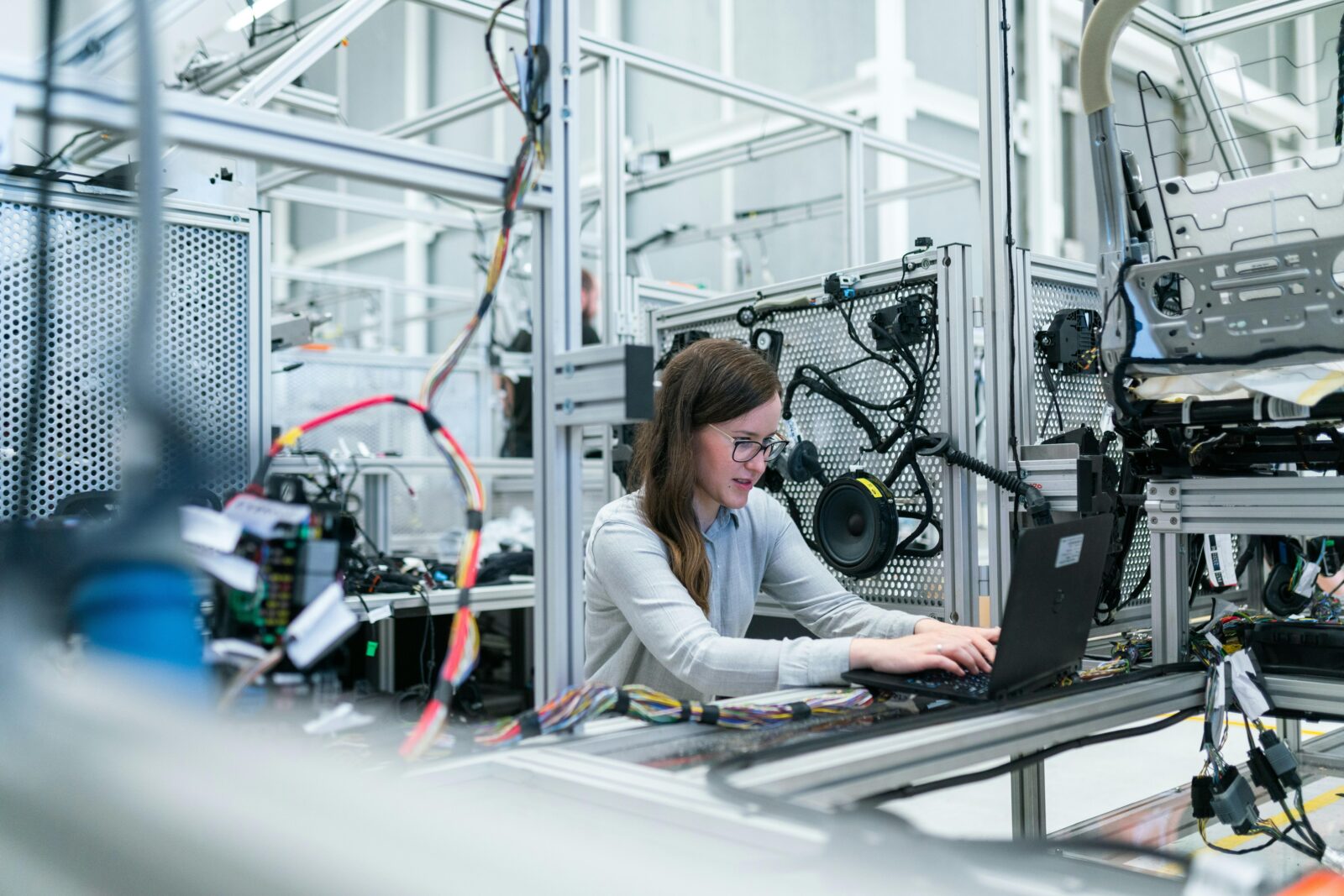
In assessing the impact of process automation on yield consistency and resource utilization in cereal processing, critical metrics should be considered, including cycle time, throughput, and waste reduction. Automation technologies, such as programmable logic controllers (PLCs) and advanced sensors, enable real-time monitoring and control of production variables. For instance, integrating moisture sensors in the drying process can lead to optimized moisture content, directly influencing yield consistency. Key performance indicators (KPIs) should include:
- Yield Rate: The ratio of the amount of usable product to the total input.
- Cycle Time: The time taken to complete one cycle of the processing operation.
- Resource Utilization ratio: The effectiveness in using available resources, typically represented in percentage.
Limitations in automation technology must also be examined.As an example, while automation can drastically improve consistency, it can require significant upfront investment and maintenance costs. A comparative analysis can be beneficial; automated systems ofen outperform manual processes in scrap rate minimization but may present challenges in terms of flexibility.As shown in the table below,different automation levels indicate variable effects on resource utilization:
| Automation Level | Yield Consistency (%) | Resource Utilization (%) |
|---|---|---|
| Manual | 70-80 | 65 |
| Semi-Automated | 80-90 | 75 |
| Fully Automated | 90-98 | 85-90 |
Ultimately,effective decision-making in automation adoption should involve cost-benefit analyses that weigh the increased consistency and utilization against initial and ongoing operational costs. The choice between various automation technologies must take into account the specific production habitat, desired output quality, and flexibility needs.

Analytical Framework for Performance Metrics in Cereal Production: Beyond Traditional Measures
To create a extensive analytical framework for measuring performance in cereal production, it is critical to go beyond conventional metrics such as yield per hectare or production cost.Instead, a multifaceted approach that integrates data from various sources can provide deeper insights into the efficiency and effectiveness of production systems. This approach may leverage advanced performance metrics such as:
- Resource Use Efficiency (RUE): This metric assesses the optimal utilization of inputs, including seed, water, and fertilizers, to produce each unit of output.
- Operational Flexibility: Evaluates the system’s ability to adapt to changing conditions, such as whether variations or market demands, thereby affecting the overall production process.
- Sustainability Indices: Measures the environmental impact of production practices, including soil health and biodiversity metrics.
Moreover, the integration of precision agriculture technologies, such as GPS-guided equipment and IoT sensors, allows for real-time tracking of agronomic variables.Additionally, comparing the performance of different cereal varieties thru trials can yield insights into genetic performance under specific conditions. A critical evaluation is necessary to discern the limitations of these metrics. As an example, while yield data is easily quantifiable, it may not account for the economic viability or ecological sustainability over multiple growing seasons. Thus,adopting performance factors such as risk assessment models and life cycle analysis will offer a more nuanced understanding of the production ecosystem. a layered analytical strategy that considers both quantitative and qualitative factors can enhance decision-making processes and promote continuous advancement in cereal production systems.

Engineering Trade-offs in Cereal Processing: Navigating Specifications and Quality Assurance Constraints
In the realm of cereal processing, making informed engineering trade-offs is essential to align production capabilities with quality assurance constraints. Various specifications dictate how cereals are processed, including moisture content, particle size, and bulk density, which directly affect the final product’s texture and shelf life. For instance, maintaining a moisture content of less than 12% is critical for long-term preservation, while simultaneously ensuring an appropriate particle size distribution to enhance mouthfeel. Manufacturers face challenges as they balance these specifications against production speed and machine capability. Within this context, the following mechanisms should be considered:
- Flowability: The ability of cereals to flow through processing equipment is influenced by particle size and shape.
- Thermal Treatment: the application of heat needs to be precisely controlled to inactivate enzymes without damaging the nutritional quality.
- Mechanical Stress: Equipment must minimize damage to the grain structure while achieving desired processing outcomes.
To evaluate these trade-offs effectively, performance metrics such as yield ratio, processing time, and energy consumption are critical. For example, higher throughput can be achieved with increased mechanical stress, but this might result in greater breakage and powdering of the cereal, adversely affecting the quality. A comparative analysis (shown in the table below) demonstrates this relationship:
| Parameter | low Mechanical Stress | High Mechanical Stress |
|---|---|---|
| Yield Ratio | 85% | 92% |
| Breakage rate | 5% | 12% |
| Energy Consumption | Low | high |
Moreover, processing practices must also adhere to regulatory requirements and quality assurance protocols. These standards often necessitate additional testing and validation techniques that can introduce delays or increase costs. By understanding the interplay of these engineering trade-offs and applying robust statistical process control, manufacturers can make strategic decisions that optimize both efficiency and product quality.
The Way Forward
the journey toward optimizing cereal processing is both intricate and rewarding. By embracing precision techniques and carefully analyzing performance metrics, manufacturers can unlock a treasure trove of efficiencies that drive production to new heights. As we’ve explored, key decision factors—from technology investments to resource allocation—play a crucial role in shaping the future of cereal processing.
The landscape of production is ever-evolving,and remaining agile in the face of changing demands and innovations will be vital. As the industry continues to advance, those who leverage data-driven insights and strategic practices will not only enhance efficiency but also contribute to sustainability and product quality.
As we look ahead, the convergence of technology, informed decision-making, and a commitment to continuous improvement will set the stage for a new era in cereal processing. This is an exciting time for manufacturers ready to embrace the challenges and rewards of optimizing their operations, ensuring that the cereals on our shelves meet the highest standards of quality and efficiency. Together, we can cultivate a future where innovation and productivity go hand in hand, feeding both the present and the generations to come.