In the ever-evolving landscape of food production, cereal milling stands as a cornerstone of the global agricultural economy, transforming raw grains into essential ingredients for myriad culinary applications. As consumer demands for quality, consistency, and efficiency rise, the cereal milling industry is witnessing a remarkable transformation driven by technological advancements. This article delves into the latest innovations in milling technology, exploring precision processes that enhance productivity and product quality while adhering to stringent performance metrics. From automated systems to complex analytics, we will analyze the key specifications that define optimal grain processing, shedding light on how these advancements not only streamline operations but also contribute to sustainability and food security. Join us on this journey through the intricate world of cereal milling, where tradition meets cutting-edge technology, paving the way for future possibilities in grain processing.
Innovative Milling Mechanisms: Enhancing Grain Integrity Through Advanced Engineering Solutions
Advancements in cereal milling technology have led to the development of innovative milling mechanisms that prioritize grain integrity while enhancing the overall efficiency of grain processing. The choice of milling mechanism significantly affects the end-product quality, impacting factors such as particle size distribution, texture, and nutritional content.Key milling technologies include roller mills, impact mills, and stone mills, each employing unique engineering solutions to achieve desired outcomes:
- Roller Mills: Utilize adjustable corrugated rollers for precise particle size control through a process of shearing and compression. The gap between rollers can be adjusted to optimize grinding for different grain types.
- Impact Mills: Employ high-velocity rotating hammers to crush grains at high speeds, enabling the effective reduction of hard grains while maintaining the grain’s essential characteristics.
- Stone Mills: Preserve more of the grain’s nutritional value by using traditional stone grinding methods that minimize heat generation, reducing the risk of nutrient loss.
The selection of a milling mechanism should consider several criteria,including particle size specifications and the desired flour types. As a notable example, a table summarizing key performance metrics may include:
| Milling Type | Particle Size Range (microns) | Efficiency (%) | Nutrient Retention |
|---|---|---|---|
| roller Mill | 150-300 | 85-95 | moderate |
| Impact Mill | 100-500 | 80-90 | Low |
| stone mill | 200-600 | 70-85 | High |
While these advanced milling systems significantly enhance grain integrity, limitations such as energy consumption, wear and tear on milling surfaces, and potential for heat generation necessitate careful consideration of operational parameters. Performance factors such as moisture content, grain type, and feed rates must be closely monitored throughout the milling process to maintain optimal performance metrics and ensure consistency.Furthermore, ongoing innovations in milling technology, such as automation and real-time monitoring systems, are expected to continue driving improvements in grain processing efficiency and product quality.
Precision Engineering in Cereal Processing: Evaluating How Technological metrics Shape Operational Efficiency
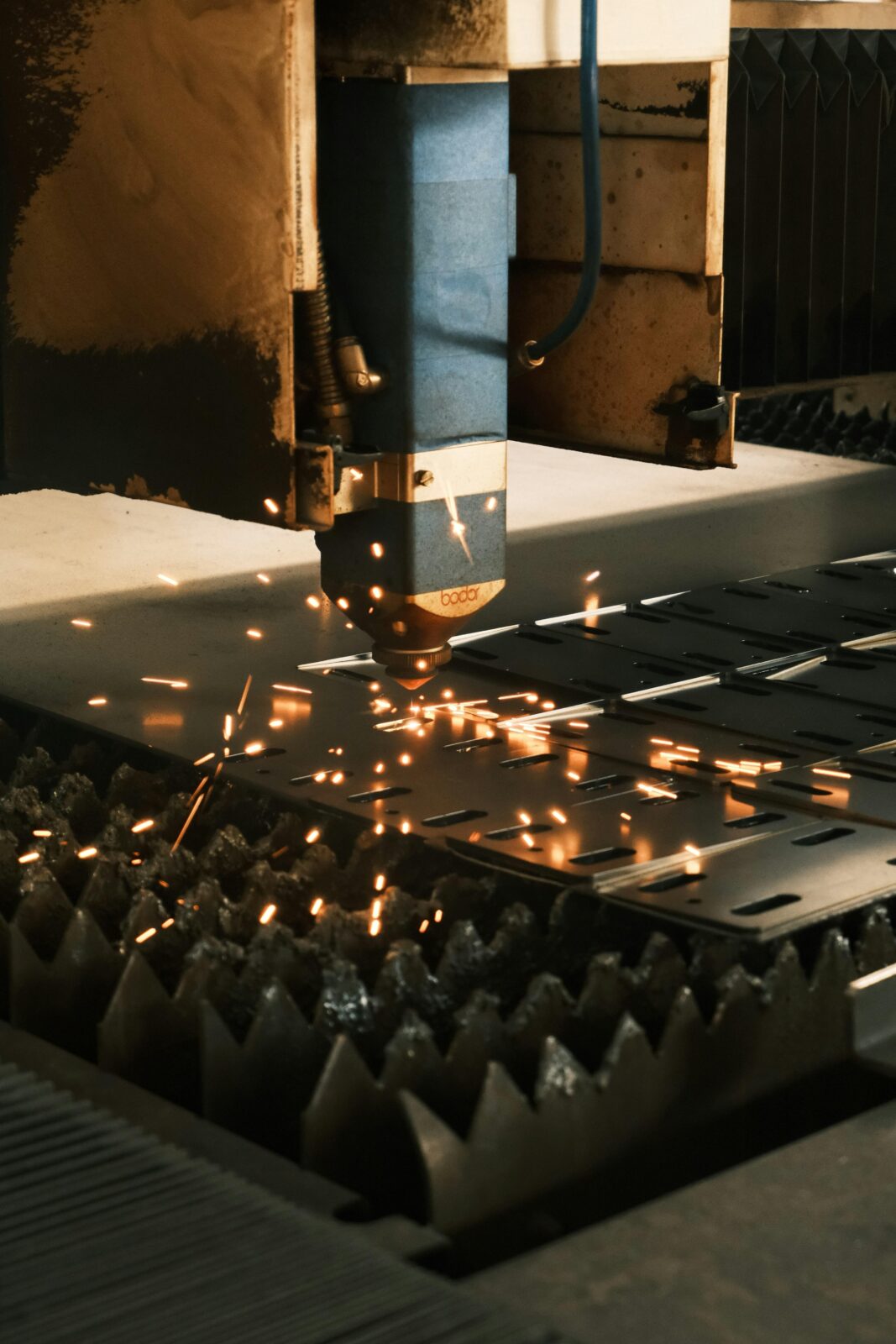
Precision engineering plays a crucial role in cereal processing, where the integration of advanced technologies such as laser sensing, automated controls, and real-time data analytics significantly enhances operational efficiency. key metrics—including throughput, energy consumption, and waste minimization—serve as benchmarks to evaluate performance. For instance, a modern milling system equipped with laser-detection technology can adjust parameters on-the-fly to ensure that the particle size of flour meets precise specifications, minimizing the variance that can lead to product inconsistencies. The following criteria are essential when assessing precision engineering systems in cereal processing:
- Throughput Efficiency: Measure of how much grain is processed per hour.
- Energy Consumption: Evaluation of energy required per ton of processed grain.
- Waste Reduction: Focus on minimizing off-spec output and by-products.
- Automation Levels: Assessment of how many processes are automated versus manual intervention.
In practical terms, the implementation of inline sorting and optical sorting technologies illustrates the impact of precision on operational processes. These systems utilize advanced algorithms and imaging techniques to engage with each grain, identifying unwanted materials such as impurities or non-conforming grain types. Comparatively, a traditional milling operation may have a standard efficiency of 70-75%, while an optimized precision-engineered milling operation may achieve up to 90% efficiency. However, limitations exist; advancements often require significant initial capital investment, ongoing maintenance, and skilled personnel for operation. Furthermore, performance factors such as environmental influences (humidity, temperature) and grain quality variability can impact the precision outcomes, necessitating continuous monitoring and recalibration. The following table outlines a comparison between traditional and precision-based processing methods:
| Metric | Traditional Method | Precision Method |
|---|---|---|
| Throughput Efficiency | 70-75% | Up to 90% |
| Energy Use (kWh/ton) | 40-50 | 25-35 |
| Waste Generation (%) | 15% | < 5% |

Material Science Innovations: The Critical Role of Component Specifications in Cereal Milling Performance
Innovations in material science have greatly influenced cereal milling performance by refining the specifications of components used in processing machinery. The mechanical properties of materials, such as wear resistance, tensile strength, and thermal conductivity, are critical in selecting the right elements for milling equipment. For instance, high-carbon tool steels or wear-resistant alloys are commonly utilized in the construction of milling rolls and grinding stones to enhance durability and achieve superior performance. Key specifications that need careful consideration include:
- Hardness: A higher hardness rating provides better abrasion resistance, essential for maintaining the integrity of grinding surfaces.
- Tensile Strength: It ensures that components can withstand the mechanical stresses during operation without deformation.
- Thermal Resistance: Components must effectively dissipate heat generated during milling to prevent thermal degradation.
Comparative studies of milling components reveal distinct performance implications based on material selection. Such as, comparing conventional cast iron rolls with advanced high-chromium steel rolls demonstrates significant differences in operational efficiency and wear life. While cast iron may offer initial cost benefits, the long-term operational costs can be higher due to frequency of replacements. A study has shown that high-chromium steel rolls can outperform cast iron, achieving a reduction of up to 40% in downtime during maintenance. However, it is essential to acknowledge limitations, such as the increased upfront investment in advanced materials and potential machining complexities. Performance factors, including particle size distribution and energy consumption, ultimately hinge on these component specifications, underscoring the importance of precise material selection in optimizing cereal milling processes.

Comparative Analysis of Milling Technologies: Assessing Quality Factors and Performance Limitations Across platforms
The comparative analysis of milling technologies—or the mechanisms and processes by which grains are transformed into flour—reveals significant differences in quality outputs and performance limitations. Traditional milling methods, such as stone milling, utilize friction to break grain down into flour; however, this can lead to inconsistencies in particle size distribution due to the variability in stone surfaces. In contrast, modern roller mills employ a more controlled process, utilizing a series of counter-rotating steel rollers that exert precise pressure. This technology enables a finer, more uniform particle size, resulting in higher-quality flour, which is particularly important for baking applications where gluten development is critical. Performance metrics frequently enough measured include extraction rates (the percentage of flour yield obtained from the grain), particle size distribution (PSD), and energy consumption during the milling process.
When assessing milling technologies, it is essential to consider their respective limitations alongside the advantages. Such as, while roller mills generally produce flour with a superior quality and lesser bran contamination, they require considerable maintenance and initial capital investment, frequently enough making them less accessible for small-scale operations. Conversely, hammer mills, known for their simplicity and lower operational costs, can lead to higher temperatures during milling, which potentially degrades the flour’s quality through enzyme inactivation and loss of flavor.Key specifications, such as throughput capacity (measured in kilograms per hour) and moisture content tolerance, play crucial roles in determining the suitable technology for specific milling applications. A summarized comparative overview in terms of quality factors and performance limitations across platforms can be displayed as follows:
| Milling Technology | Advantages | Limitations |
|---|---|---|
| Roller mill | Uniform particle size, high-quality output, lower bran contamination | Higher initial costs, maintenance intensive |
| Stone Mill | Traditional flavor, low operational costs | Inconsistent PSD, potential for overheating |
| Hammer Mill | Simplicity, low capital expenditure | Higher temperature increases, potential quality degradation |
In summary
the advancements in cereal milling technology stand as a testament to the relentless pursuit of efficiency and quality within the grain processing sector. As we’ve explored, the integration of precision processes and robust performance metrics have redefined the benchmarks for optimal milling, ensuring that every grain is transformed with utmost care and expertise. The key specifications outlined throughout this article serve not merely as guidelines, but as pillars upon which the future of cereal milling is built.
As technology continues to evolve, the interplay between innovation and tradition will shape the landscape of grain processing. By embracing these advancements, stakeholders can enhance productivity while upholding the integrity of the final product. As we move forward, fostering a collaborative spirit among engineers, millers, and agronomists will be crucial in unlocking new potential within this age-old craft.
Ultimately, the journey of cereal milling is as much about the grains we process as it is indeed about the stories we create through them. With each mill turn, we are not just transforming substances; we are crafting the foundations of sustenance that nourish communities around the world. As we anticipate the future, let us remain committed to refining our processes, pushing the boundaries of technology, and celebrating the art of grain milling.