
Revolutionizing Harvests: The Rise of Mini Rice Milling Machines
In the heart of rural landscapes, where golden fields of rice sway gently in the breeze, a silent revolution is taking place. The traditional allure of sprawling, centralized milling facilities is gradually giving way to a dynamic new player in the agricultural arena: mini rice milling machines. These compact, efficient marvels are not only transforming the way farmers process their crops but are also reshaping the economic and social fabric of communities reliant on rice cultivation. As we delve into this burgeoning trend, we explore how these innovative machines are making rice milling more accessible, sustainable, and economically viable for smallholder farmers, ultimately paving the way for a brighter, more resilient future in global agriculture.
Transforming Traditional Practices with Mini Rice Milling Machines
In rural landscapes where rice farming has thrived for generations, the advent of mini rice milling machines is ushering in a new era of efficiency and innovation. These compact powerhouses enable farmers to process their harvest on-site, drastically reducing the time it takes to convert paddy into consumable rice. By eliminating the need for large, industrial mills located miles away, farmers can now enjoy greater control over their production cycles, ensuring that fresh rice reaches local markets promptly. The benefits extend beyond convenience; improved milling techniques provide higher quality rice with better grain integrity, making it more appealing to consumers.
The impact of these machines transcends mere convenience—it’s about transforming livelihoods and communities. Through their use, farmers can achieve the following:
- Cost Savings: Reduced transportation and milling fees.
- Quality Control: Farmers can monitor the milling process and choose the best methods for their specific needs.
- Economic Empowerment: Increased income opportunities through direct competition in local rice markets.
Furthermore, the adaptability of mini rice milling machines opens doors to a more sustainable agricultural approach. Lesser energy consumption compared to traditional milling practices leads to lower environmental impact, supporting broader goals of sustainable farming. As communities embrace these machines, they are not just redefining rice processing but revitalizing their agricultural heritage, ensuring that tradition and innovation walk hand in hand.

Enhancing Efficiency: The Technological Advantages of Mini Mills
Mini rice milling machines symbolize a significant leap in agricultural technology, fostering a new era of productivity and efficiency. Equipped with advanced features that streamline processes, these compact units not only save space but also reduce the operational time traditionally associated with larger milling systems. By harnessing innovations such as automated settings, integrated cleaning mechanisms, and energy-efficient motors, mini mills enhance the overall output while minimizing labor costs. Farmers are now able to process their harvests on-site, ensuring fresher produce and maximizing profit margins by reducing transportation expenses.
The technological advantages of these mini mills extend beyond mere convenience. They often come with user-friendly interfaces that allow for quick adjustments tailored to different rice varieties, ensuring optimal milling performance. Moreover, many units boast features such as smart monitoring systems that provide real-time data on grain quality and machine status, fostering proactive maintenance and reducing downtime. The diversity of designs and functionalities means that even smallholder farmers can find a model that perfectly fits their needs, ultimately acting as a catalyst for agricultural transformation in rural communities.
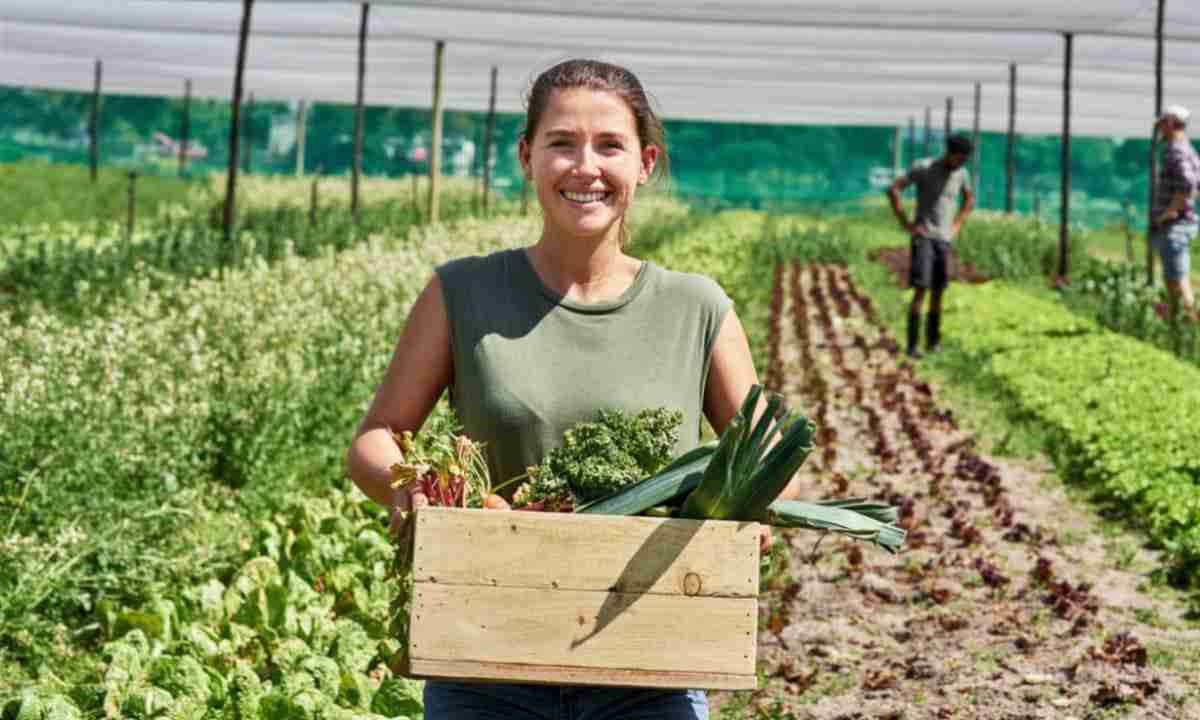
Sustainable Agriculture: Environmental Benefits of Compact Milling Solutions
Compact milling solutions have emerged as a game-changer in the landscape of sustainable agriculture, significantly reducing the environmental footprint associated with traditional farming methods. By utilizing mini rice milling machines, farmers can achieve higher efficiency while minimizing resource consumption. These innovations are designed to use less energy and water compared to their larger counterparts, promoting a more eco-friendly approach to rice processing. The adoption of such technology leads to a notable decrease in greenhouse gas emissions during production, contributing to a healthier ecosystem.
Moreover, these compact machines not only facilitate sustainable practices but also empower local farming communities. They are typically easier to operate and maintain, making them accessible even to small-scale farmers. By streamlining the milling process right at the farm, these machines reduce the need for extensive transportation, which often contributes to carbon emissions. Some remarkable environmental benefits include:
- Reduced Energy Consumption: Optimized processing that lowers electricity use.
- Lower Water Usage: Innovations that decrease water requirements during milling.
- Waste Minimization: Enhanced efficiency that produces less byproduct.
- Enhanced Soil Health: Utilization of byproducts as organic fertilizers improves soil quality.
| Benefit | Impact |
|---|---|
| Energy Efficiency | Lower operational costs and reduced carbon footprint. |
| Resource Conservation | Less water and energy required for rice production. |
| Soil Preservation | Improved fertility through effective waste recycling. |
Empowering Farmers: Strategies for Adopting Mini Rice Milling Technology
Adopting mini rice milling technology presents a unique opportunity for farmers to enhance their productivity and elevate the quality of their harvests. To prepare for this transition, farmers can focus on education and training to ensure they fully understand the workings and benefits of these machines. Workshops and demonstrations led by agricultural experts can provide practical knowledge and empower farmers to operate the machinery efficiently. Furthermore, forming cooperatives can allow farmers to share resources, access financing, and ultimately reduce the costs associated with purchasing and maintaining milling equipment. This teamwork not only fosters a sense of community but also strengthens their bargaining power when negotiating purchases or accessing markets.
In addition to collaboration, farmers should evaluate the economic benefits of mini rice milling technology as a decision-making tool. Initial investments can result in substantial cost savings in the long run through reduced labor and enhanced efficiency. To effectively assess these impacts, a simple table can outline the costs and potential savings from using mini rice mills compared to traditional methods:
| Expense Category | Traditional Method | mini rice mill |
|---|---|---|
| Initial Investment | Higher | Lower |
| Labor Costs | High | Reduced |
| Processing Time | Longer | Faster |
| Quality of Produce | Variable | Consistent |
By recognizing the advantages, understanding the economic impacts, and leveraging community support, farmers can effectively integrate mini rice milling technology into their operations. The result can lead to enhanced productivity, better product quality, and ultimately, improved livelihoods for those involved in rice cultivation.
In Conclusion
As we stand at the crossroads of tradition and innovation, the rise of mini rice milling machines marks a pivotal moment in the agricultural landscape. These compact marvels not only promise to enhance productivity and streamline operations for small-scale farmers but also empower communities by improving food security and fostering economic resilience.
As this technology continues to evolve and gain traction, it opens the door to a reimagined future for rice cultivation—a future where efficiency meets sustainability, and where even the smallest farmers can harness the power of advancement to thrive. The journey of revolutionizing harvests has only just begun, and as we embrace these changes, we move closer to a world where food production is both innovative and accessible.
In the words of a wise farmer, “To grow is to adapt.” As we adapt to these new tools, the potential is limitless; may we embrace the opportunities ahead and cultivate a landscape where every grain has the chance to flourish.



