
In the ever-evolving landscape of agriculture, innovation often emerges from the most unexpected corners. Enter the mini rice mill—a compact yet powerful tool that is transforming the rice farming industry. As the global demand for rice continues to escalate, farmers are seeking efficient ways to optimize their production processes while minimizing costs. Mini rice mills are not just machines; they symbolize a shift towards sustainability, accessibility, and empowerment within the agricultural community. This article explores the rise of these little giants, shedding light on how they unlock potential for farmers, elevate rural economies, and contribute to food security in a world that yearns for resilience and innovation. Join us as we delve into the world of mini rice mills and uncover the profound impact they are making on farming practices and livelihoods across the globe.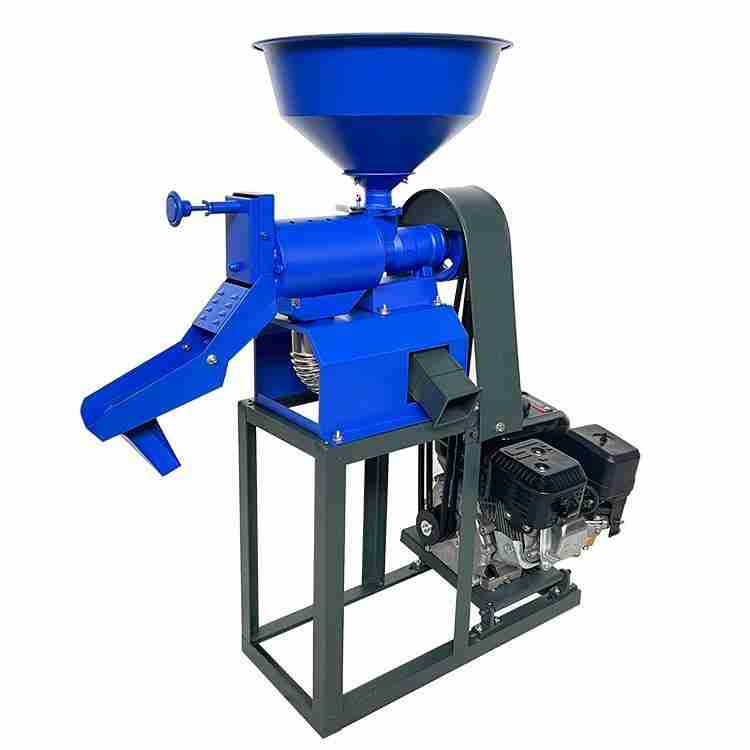
Exploring the Benefits of Mini Rice Mills for Small Scale Farmers
Mini rice mills have emerged as a transformative tool for small-scale farmers, enabling them to take control of their production process. By processing their own paddy, farmers not only save on milling costs but also retain a higher percentage of the profits. This vertical integration allows for improved income stability, enabling families to invest more in their fields and communities. Additionally, mini rice mills are designed to be user-friendly, requiring minimal training, which makes them an ideal fit for resource-limited environments. This empowers farmers to become more self-sufficient and productive.
Furthermore, the environmental impact of mini rice mills cannot be overlooked. With reduced transportation needs, as farmers can mill on-site, there is less carbon footprint associated with transporting raw rice to distant milling facilities. These small-scale operations also promote local job creation, as farmers can hire additional workers to assist with milling and other post-harvest activities. This shift not only strengthens local economies but also encourages a greater sense of community. Below is a table summarizing the advantages of mini rice mills for smallholders:
| Benefits | Description |
|---|---|
| Cost Savings | Reduce milling expenses by processing paddy on-site. |
| Increased Profit Margins | Higher crop value retained by avoiding middlemen. |
| Environmental Sustainability | Lower carbon output from reduced transportation needs. |
| Job Creation | Boost local employment through milling operations. |

Technology and Innovation Driving the mini rice mill Revolution
The evolution of mini rice mills is a testament to the strides made in technology and innovation within agricultural practices. Armed with advanced milling techniques, these compact machines have become a game-changer for smallholder farmers. Smart automation features enable precise control over the milling process, resulting in higher yield and better quality rice. Additionally, energy-efficient designs are transforming how farmers approach post-harvest processing, leading to considerable reductions in operational costs and environmental impact. The shift from traditional methods to tech-driven systems encourages farmers to adopt sustainable practices that not only improve productivity but also contribute to their economic well-being.
Moreover, the accessibility of information technology has opened avenues for these farmers to embrace new harvesting methods and business models. Mobile applications can provide real-time data on market prices, weather conditions, and best practices, fostering informed decision-making. As a result, farmers owning mini rice mills can maximize their profits, optimize resource use, and even engage with consumers directly. This shift has led to the emergence of innovative business ecosystems where local farmers collaborate, share knowledge, and directly participate in larger markets, thus transforming traditional rice farming into a modern, competitive enterprise.

Sustainable Practices: Mini Rice Mills as Catalysts for Eco-Friendly Farming
Mini rice mills are transforming the landscape of sustainable agriculture by providing farmers with a streamlined process that emphasizes both efficiency and eco-friendliness. Traditionally, rice milling has been a resource-intensive operation, but the advent of mini mills has shifted this paradigm. These smaller, localized facilities not only reduce the carbon footprint associated with transportation but also allow farmers to operate close to their fields. This proximity means that less energy is wasted in transporting paddy to distant processing centers, leading to significant reductions in greenhouse gas emissions.
Moreover, mini rice mills encourage the adoption of sustainable farming practices through their emphasis on waste minimization and resource recycling. With the by-products generated during milling, farmers can produce organic fertilizer, animal feed, or even biofuel. This circular economy approach helps to:
- Enhance Soil Health: Utilizing rice husks as organic matter improves soil structure and nutrient retention.
- Reduce Waste: The efficient use of every part of the rice plant minimizes environmental impact.
- Promote Biodiversity: Farmers are incentivized to implement more diverse crop rotations alongside rice cultivation.
| Benefit | Impact |
|---|---|
| Carbon Footprint Reduction | Less energy consumption for transport |
| Circular Economy | Maximization of by-products for other uses |
| Local Employment | Job creation in rural areas |
Strategies for Successful Implementation of Mini Rice Mills in Rural Communities
To ensure the successful implementation of mini rice mills in rural communities, it is crucial to engage local stakeholders from the outset. This collaborative approach fosters a sense of ownership among community members, alleviating resistance to change. Key strategies for engagement include:
- Conducting community workshops to educate farmers about the benefits of mini rice mills.
- Involving local leaders in the decision-making process to gain support and facilitate communication.
- Establishing partnerships with agricultural organizations to provide technical assistance and resources.
Furthermore, addressing the technical and financial aspects of mini rice mill operations can significantly enhance their sustainability. Communities should prioritize the creation of a maintenance and support plan to minimize downtime and operational issues. Essential elements for financial viability include:
| Element | Description |
|---|---|
| Microfinancing Options | Provide access to small loans for farmers to invest in milling operations. |
| Cost-sharing Models | Create cooperative systems where costs are shared among members, enhancing affordability. |
| Training Programs | Develop programs that equip operators with the necessary skills to manage mills efficiently. |
Concluding Remarks
As we stand on the cusp of agricultural innovation, the emergence of mini rice mills symbolizes more than just a new trend; it represents a pivotal shift in the way farmers approach rice production and processing. By embracing these compact marvels, farming communities are not only enhancing their efficiency and productivity but are also unlocking the potential to transform their economic landscape.
As we conclude our exploration of this rising phenomenon, it is evident that mini rice mills hold the key to empowering local farmers, promoting sustainability, and invigorating rural economies. With greater accessibility and affordability, these mills are paving the way for a more inclusive agricultural future.
The journey of unlocking potential is ongoing, and as more farming regions adopt these innovative solutions, we can look forward to a resilient and thriving agricultural sector. In harnessing the strength of technology and tradition, we find hope for a richer, more sustainable way of life for farmers everywhere. The future of rice farming is bright, and the rise of mini rice mills is just the beginning.



