
In a world where food security is increasingly challenged by population growth, climate change, and shifting agricultural landscapes, innovative solutions are not just welcome—they are essential. Enter the mini rice mill: a compact powerhouse that is transforming the way we think about rice production. This small-scale milling technology offers a myriad of advantages, from enhancing local economies to reducing post-harvest losses and promoting sustainability. As we delve into the benefits and potentials of mini rice mills, we uncover how this unassuming machine is revolutionizing food production and reshaping the future of one of the world’s most vital crops. Join us as we explore the journey of rice from field to table and discover the significant role that mini rice mills play in driving agricultural progress and empowering communities worldwide.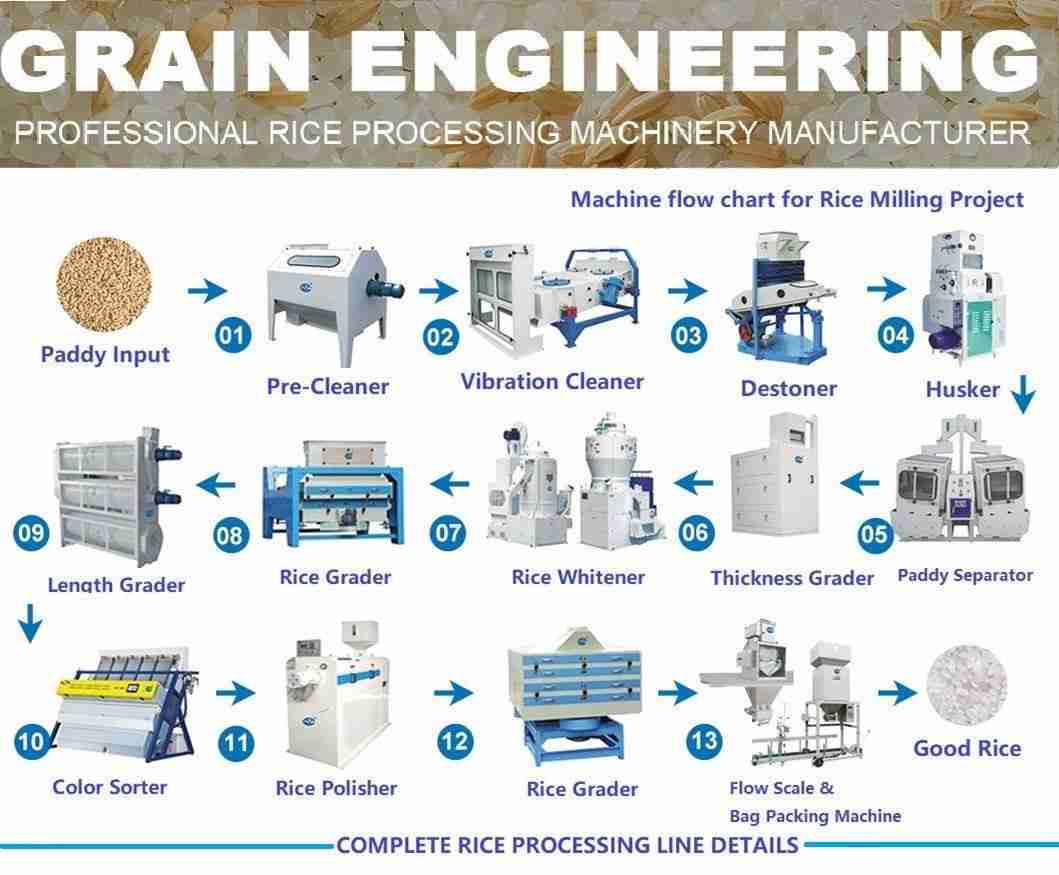
The Evolution of Rice Milling Technology and Its Impact on Agriculture
Over the years, rice milling technology has undergone significant transformations, moving from traditional methods to sophisticated machinery that enhances efficiency and output quality. Early milling techniques utilized manual labor and rudimentary tools, often leading to high amounts of broken grains and inefficient processing times. However, the advent of mechanized rice mills marked a turning point, facilitating greater production capabilities and addressing the needs of larger agricultural operations. With the introduction of mechanical huskers, polishers, and de-stoners, farmers are now able to produce higher-quality rice in a fraction of the time. This technological leap has not only improved grain quality but also enhanced the overall economic viability of rice cultivation.
The latest innovation in rice milling technology, the mini rice mill, serves as a game-changer, especially for smallholder farmers. These compact and cost-effective machines offer several advantages:
- Affordability: Ideal for small-scale operations, allowing more farmers to access milling technology.
- Efficiency: Significantly reduces the time and labor required to process rice.
- Quality Control: Minimizes broken rice and ensures polished grains.
- Versatility: Capable of milling different varieties of rice, adapted to local needs.
| Feature | Traditional Mills | Mini Rice Mills |
|---|---|---|
| Cost | High initial investment | Affordable and accessible |
| Processing Time | Longer time | Quick and efficient |
| Quality of Output | Higher broken grain percentage | Reduced breakage, improved quality |
With these advancements, mini rice mills not only bolster the productivity of individual farmers but also contribute to the overall sustainability of agricultural practices. By empowering small-scale producers with affordable milling solutions, this technology promotes food security and encourages local economies to thrive. The ripple effects of enhanced milling techniques resonate through the entire supply chain, from farm to table, ensuring that the journey of rice from field to consumer is more efficient and effective than ever before.

Boosting Efficiency and Sustainability with Mini Rice Mills
Bringing mini rice mills into the agricultural landscape offers a transformative approach to both efficiency and sustainability. These compact machines are designed to operate with lower energy consumption, making them an ideal choice for smallholder farmers looking to optimize their production without compromising on quality. By enabling on-site processing, mini rice mills significantly reduce post-harvest losses that occur during transportation and storage, thus ensuring more grains reach the market. Additionally, the localized setup not only empowers rural communities but also minimizes the carbon footprint associated with rice milling operations.
Furthermore, mini rice mills contribute to sustainable practices by promoting the use of agricultural by-products. By leveraging the husk, bran, and broken rice typically discarded in conventional milling processes, farmers can create a range of value-added products, including animal feed and organic fertilizers. This closed-loop system fosters resource efficiency and encourages responsible farming practices, aligning agricultural output with environmental preservation. The benefits extend beyond individual farmers; communities gain enhanced resilience and prosperity as they tap into diversified income streams, thereby supporting the broader goals of sustainable development.

Exploring Economic Benefits for Smallholder Farmers
The introduction of mini rice mills stands to transform the economic landscape for smallholder farmers, offering a range of benefits that empower them to maximize productivity and profitability. These compact machines are not just practical equipment; they represent a gateway to improved operational efficiency. With lower initial investment costs and reduced energy consumption, smallholder farmers can start milling their rice at a fraction of the price compared to traditional, larger-scale operations. This self-sufficiency not only minimizes dependency on external milling services but also enhances the farmers’ control over the quality and timing of their product.
Moreover, mini rice mills can significantly increase the value of harvested rice. By processing their own grain, farmers can mitigate post-harvest losses and enhance their marketability. The ability to produce high-quality, polished rice allows them to command better prices in local markets. Key benefits include:
- Cost Savings: Reduced transportation and milling costs empower farmers financially.
- Quality Control: Mill operators can maintain the desired quality standards of their produce.
- Market Reach: Processed rice opens doors to new markets, expanding sales opportunities.
the implementation of mini rice mills fosters a more resilient agricultural economy, providing smallholder farmers with the tools they need to thrive in an increasingly competitive environment.
| Benefit | Description |
|---|---|
| Enhanced Profitability | Higher market prices for processed rice boost overall earnings. |
| Time Efficiency | Faster processing speeds reduce wait times for farmers. |
| Reduced Waste | Minimizing losses during milling leads to better resource utilization. |
Future Trends: Scaling Production and Enhancing Food Security
As global population continues to rise, the demand for food production must scale accordingly to ensure that basic needs are met. Mini rice mills are transforming the agricultural landscape by offering innovative solutions that enhance food security. These compact machines enable small-scale farmers to efficiently process rice at a significantly reduced cost, allowing them to sustain their livelihoods while contributing to local food systems. With the integration of technology, farmers can now access real-time data on market trends and pricing, empowering them to make informed decisions about production and distribution.
In addition to efficiency, mini rice mills promote sustainable practices that contribute to environmental preservation. By minimizing waste and optimizing resource usage, these machines pave the way for a circular economy within the agricultural sector. Key benefits include:
- Energy Efficiency: Utilizing renewable energy sources reduces dependence on fossil fuels.
- Reduced Labor Costs: Automation streamlines processing, allowing farmers to allocate labor more effectively.
- Local Sourcing: Strengthening local supply chains enhances community resilience and food sovereignty.
As we stride forward into an uncertain future, adopting such scalable technologies will be pivotal in addressing food security challenges. By investing in mini rice mills, we not only support individual farmers but also create a robust agricultural ecosystem that meets the demands of a growing population while ensuring responsible stewardship of our planet’s resources.
The Way Forward
the mini rice mill stands as a beacon of innovation in the world of food production, transforming grains into a staple with newfound efficiency and sustainability. By marrying traditional methods with modern technology, these compact machines offer small-scale farmers and rural communities the opportunity to elevate their practices, enhance their livelihoods, and contribute to food security in their regions. As we look to the future, embracing the mini rice mill can pave the way for a smarter, more resilient agricultural landscape—one that honors the past while nurturing the potential of tomorrow. With ongoing advancements and growing awareness, the ripple effect of this revolution could very well reshape the way we perceive and interact with our food. The journey towards a more sustainable food system has truly begun, and the mini rice mill is leading the charge.



