
In a world where technology continually reshapes agriculture, mini rice milling machines are emerging as game-changers in the grain processing landscape. Once dominated by large-scale operations, the rice milling sector is witnessing a transformation that empowers small-scale farmers and local communities. These compact yet powerful machines are not just tools; they are catalysts of efficiency, sustainability, and economic growth. As traditional practices align with innovative technology, the rise of mini rice milling machines signals a new era in food production, one where the bounty of the harvest can be processed with unprecedented ease and quality. Join us as we explore this evolving industry and uncover the impact of these miniature marvels on the global rice supply chain and the lives of those who depend on it.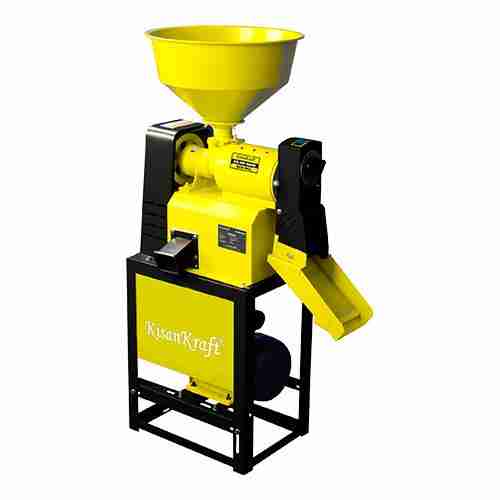
The Benefits of Mini Rice Milling Machines for Smallholder Farmers
Mini rice milling machines have become game-changers for smallholder farmers, providing a host of advantages that significantly improve both productivity and profitability. These compact machines are tailored for small scale operations, ensuring that farmers can process their rice with ease, minimizing post-harvest losses. By eliminating the need for bulky and expensive milling operations, farmers can manage their own production cycles, leading to enhanced food security and self-sufficiency. Key benefits include:
- Cost-Effectiveness: The initial investment is lower, making it accessible for small enterprises.
- Time Efficiency: Reduced milling time allows for quick processing, enabling farmers to bring their products to market faster.
- Quality Control: Farmers can achieve a higher quality of rice by milling on-site, producing fresher and more flavorful rice.
- Customization: With adjustable settings, farmers can tailor the milling process to suit different rice varieties.
Moreover, the compact design of these machines means they can be easily transported, allowing farmers the flexibility to mill rice where it is most convenient. This adaptability supports local economies, as farmers can offer milling services to their neighbors, fostering community collaboration. In addition to boosting profitability, these machines contribute to environmental sustainability by using less energy compared to larger milling facilities. The impact on smallholder farmers is profound, as they gain autonomy over their rice production, thereby ensuring their livelihood and enhancing rural development.
| Feature | Benefit |
|---|---|
| Compact Size | Easy to transport and store |
| Affordability | Lower entry cost for small farmers |
| High Efficiency | Faster milling and less wastage |
| Community Impact | Supports local economies through shared resources |
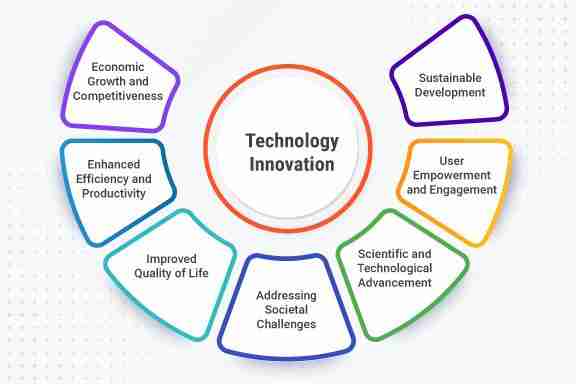
Innovative Technology Driving Efficiency and Quality in Rice Processing
The emergence of mini rice milling machines is revolutionizing the rice processing industry, enabling smallholder farmers to enhance their productivity and meet the demands of modern markets. These compact yet powerful devices incorporate state-of-the-art technologies that streamline the milling process. With features such as automatic husking, advanced polishing capabilities, and energy-efficient designs, they drastically cut down the time and labor required for rice processing. As a result, farmers can now produce high-quality rice more consistently and efficiently, securing better prices and improving their livelihoods.
Moreover, the integration of smart technologies into these machines offers insightful data analytics, helping farmers make informed decisions about their crops. By utilizing IoT connectivity, farmers can monitor their milling operations in real-time, enabling them to optimize their processes. The benefits are manifold:
- Reduction in production costs
- Improved quality of milled rice
- Enhanced market competitiveness
- Increased sustainability practices
The advantages extend beyond mere efficiency; they’re also contributing to a transformative shift in rural economies. Below is a comparison of traditional milling methods and mini rice milling machines:
| Feature | Traditional Milling | Mini Rice Milling Machines |
|---|---|---|
| Processing Time | Several hours | Less than an hour |
| Labor Required | High | Minimal |
| Quality of Rice | Variable | Consistently High |
| Energy Consumption | High | Low |
This shift not only empowers small-scale farmers but also enhances food security, showcasing how innovative technology can drive meaningful change across agricultural sectors.

Sustainable Practices and Environmental Impact of Mini Milling Solutions
The integration of mini milling solutions into agricultural practices has significantly transformed the landscape of rice processing, particularly in rural communities. By empowering local farmers with accessible technology, mini milling machines not only enhance efficiency but also promote sustainable farming practices. These machines are designed to use less energy compared to traditional milling systems, which rely on larger, fossil-fuel powered equipment. Furthermore, mini milling solutions encourage the reduction of food waste, as they allow farmers to mill their rice precisely when needed, ensuring maximum freshness and reducing spoilage.
Moreover, the environmental impact of these compact milling machines extends beyond energy savings. They contribute to a decrease in carbon footprint through various factors, including:
- Reduced Transportation Emissions: Localized milling minimizes the need for transporting raw rice over long distances.
- Water Conservation: Many mini mills incorporate advanced designs that consume less water during processing.
- Waste Utilization: Mini milling machines often have features that facilitate the collection and repurposing of rice husks and by-products, which can be used for energy or as organic fertilizers.
| Benefit | Impact |
|---|---|
| Energy Efficiency | Lower operational costs |
| Reduced Waste | Minimized environmental pollution |
| Community Empowerment | Strengthened local economies |
Guidelines for Selecting the Right Mini Rice Milling Machine for Your Needs
When it comes to selecting the perfect mini rice milling machine, several key factors deserve careful consideration to ensure it aligns with your specific needs. First and foremost, assess your production capacity. Determine how much rice you intend to process daily, as this will influence the machine’s size and throughput capabilities. Additionally, consider the type of grain you will be milling, as some mini rice mills are better suited for certain varieties than others. Alongside these parameters, evaluate the durability and maintenance requirements of the machine, ensuring it can withstand the operational demands you expect throughout its lifecycle.
Furthermore, pay attention to the features and functionalities offered by various mini rice milling machines. Look out for models equipped with advanced technology, such as automatic grading and polishing functions, which can enhance the quality of the milled rice. Don’t overlook the importance of energy efficiency; machines that consume less power can lead to significant cost savings over time. Lastly, consider the support and warranty options provided by manufacturers, as reliable customer service and maintenance support can be invaluable in keeping your machine running smoothly. A comprehensive understanding of these elements will pave the way for a well-informed purchase decision.
In Retrospect
As the sun dips below the horizon, casting a golden hue over the lush paddies, the transformation of rice milling is a testament to innovation meeting tradition. Mini rice milling machines, with their compact design and unparalleled efficiency, are not merely tools; they are agents of change that empower farmers and reshape rural economies. By bringing technology to the fields where it is needed most, these machines are breaking barriers, enhancing livelihoods, and ensuring that the fruits of labor reach every table with minimal waste.
As we stand on the brink of a new agricultural era, the integration of mini milling machines symbolizes hope and progress. They invite us to reimagine the potential of small-scale rice production, fostering sustainability and growth in communities around the world. As we look to the future, one thing is clear: the humble grain will continue to flourish, nourished by ingenuity and the relentless spirit of those who cultivate it. In this evolving landscape, may we celebrate not only the harvest but also the journey of transformation that makes each grain count.



