
In a world where efficiency and sustainability often walk hand in hand, the mini rice mill emerges as a beacon of innovation in the agricultural landscape. As food security becomes an increasingly pressing global concern, the need for streamlined grain processing solutions has never been more critical. Enter the mini rice mill—a compact yet powerful device designed to transform the way we produce and consume rice. This article delves into the intricacies of this remarkable machine, exploring its numerous advantages, practical applications, and the profound impact it can have on small-scale farmers and local economies alike. With a closer look at its technology, efficiency, and accessibility, we invite you to discover how this unassuming tool can revolutionize grain processing and contribute to a more sustainable agricultural future.
Exploring the Mechanics of Mini Rice Mills for Efficient Grain Processing
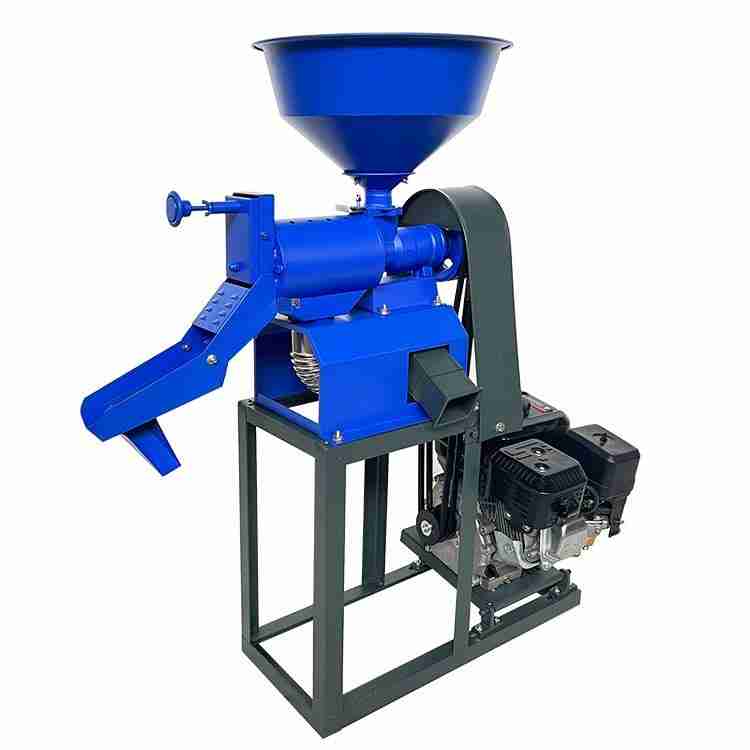
Mini rice mills have revolutionized the way farmers and small-scale millers approach grain processing. These compact machines offer an efficient and cost-effective means of converting raw paddy into polished rice. The core mechanics involve a series of well-engineered components that work in unison to separate the husk, polish the grain, and enhance the overall quality. Key components include:
- Husk Separator: Efficiently removes the outer husk, utilizing suction based mechanisms.
- Rice Whitener: Polishes the brown rice, improving its marketability and taste.
- Grain Elevator: Transports raw and processed grains smoothly between different stages.
- Dust Collectors: Ensure a clean working environment by minimizing dust exposure, enhancing both hygiene and machine longevity.
The compact design of these mills makes them easy to operate in various settings, from rural farms to small-scale food production units. The efficiency of mini rice mills also significantly reduces processing time, which is essential in meeting market demands. With features like adjustable settings for different types of grains and energy-saving technologies, they stand out in the grain processing industry. Below is a simplified comparison of traditional milling versus mini rice mills:
| Feature | Traditional Milling | mini rice mill |
|---|---|---|
| Space Required | Large | Compact |
| Processing Time | Long | Short |
| Cost Efficiency | Higher | Lower |
| User Skill Level | High | Low |

The Benefits of Compact Design: Why Mini Rice Mills are Gaining Popularity
Mini rice mills have carved a niche in modern agriculture, combining functionality with a user-friendly design that appeals to a broad spectrum of users—from small farmers to urban dwellers with a penchant for home processing. The compactness of these mills offers substantial advantages, including:
- Space Efficiency: Their diminutive size makes them perfect for small farms, home kitchens, or urban spaces where every square foot counts.
- Portability: Lightweight and easily movable, mini rice mills can be transported to various locations, enabling farmers to process their harvests on-site.
- Lower Energy Consumption: With their innovative design, these mills often consume less power compared to larger, conventional mills, making them more eco-friendly.
Moreover, mini rice mills are not just a space-saving solution; they also foster economic empowerment. Farmers can benefit from:
- Cost-Effectiveness: The upfront investment is significantly lower, and the operational costs are minimized.
- Quick Processing: The efficient design enables faster milling, allowing farmers to process their products on-demand and reduce waiting times.
- Quality Control: Users maintain greater control over the milling process, leading to better preservation of grain quality and nutrition.
| Feature | mini rice mill | Traditional Rice Mill |
|---|---|---|
| Size | Compact | Bulky |
| Power Usage | Low | High |
| Cost | Economical | Expensive |
Choosing the Right mini rice mill: Key Features to Consider
When selecting a mini rice mill, it’s essential to pinpoint the features that will best meet your needs. Start by considering the milling capacity, as this dictates how much rice you can process in a given time. A mill with a higher capacity could save you time and energy, especially if you’re operating a small business or processing rice for a larger family. Additionally, look for durability and build quality, as a robust mill can handle continuous use without frequent breakdowns. Evaluate the power consumption to ensure efficient operation; an energy-efficient mill can significantly reduce your operational costs over time.
Another vital feature is the ease of maintenance. A great mill design allows for simple cleaning and troubleshooting, which is crucial for maintaining long-term functionality. Consider the grain versatility, as some mini mills can handle different types of grains, providing more flexibility in your processing options. Lastly, check for any safety features like automatic shut-off systems to prevent overheating and ensure safe operation. Keeping these factors in mind will guide you toward a mini rice mill that fits seamlessly into your processing routine.
| Feature | Importance | Considerations |
|---|---|---|
| Milling Capacity | High throughput for efficiency | Choose based on volume needs |
| Durability | Longevity of the machine | Material quality matters |
| Power Consumption | Cost-efficiency | Look for energy ratings |
| Ease of Maintenance | Saves time and labor | Check user reviews |
| Grain Versatility | Flexibility in usage | Can it process other grains? |
| Safety Features | User protection | Look for auto shut-off |
Maximizing Productivity: Tips for Operating Your mini rice mill Effectively
Operating a mini rice mill efficiently hinges on a few key practices that enhance its production capabilities while reducing downtime. One of the first steps is to ensure that the mill is properly calibrated and maintained. Regular checks on machinery parts, such as the rubber rolls, separators, and sieve screens, can prevent mechanical failures. Consider the following maintenance tips:
- Conduct daily inspections to identify wear and tear.
- Clean the mill after every use to remove husk and bran residue.
- Lubricate moving parts based on the manufacturer’s recommendations.
This proactive approach not only prolongs the life of the equipment but also maintains the quality of the rice produced.
Another important factor in maximizing output is to optimize the workflow and operational processes. Organizing the workspace can significantly enhance mill efficiency. Implement these strategies for better operation:
- Establish a clear workflow by arranging materials and tools logically to reduce movement.
- Train workers on the efficient use of the equipment to minimize variations in processing time.
- Utilize technology, such as timers and productivity tracking tools, to monitor performance.
By adopting these methods, you can create a harmonious environment that significantly boosts productivity while ensuring consistent quality in rice processing.
Final Thoughts
As we conclude our exploration of the mini rice mill, it’s clear that this compact grain solution offers a promising blend of efficiency, convenience, and sustainability. These innovative machines not only democratize rice production, making it accessible to small farmers and entrepreneurs, but also cater to a growing demand for locally sourced, freshly milled grains.
In a world where sustainability and self-sufficiency are increasingly paramount, the mini rice mill stands out as a beacon of possibility. It empowers communities, reduces reliance on large-scale industrial processes, and preserves the rich, cultural heritage tied to rice cultivation and consumption.
Whether for the thriving farmer aiming to enhance their yield or the home cook seeking to elevate their culinary creations, the mini rice mill represents a step toward a more resilient food system. As we continue to embrace technological advancements in agriculture, let us celebrate innovations like these that harmonize tradition with modern efficiency, paving the way for a future where food is both local and sustainable.
In the journey of grain from field to table, the mini rice mill is not just a tool—it’s a catalyst for change, inviting us all to partake in a closer, more conscious connection to what nourishes us.



