
In a world increasingly driven by the pursuit of efficiency and sustainability, the humble rice mill is poised for a revolutionary transformation. As global populations rise and the demand for food escalates, the agricultural sector must adapt to meet these challenges head-on. Enter the mini rice mill—a small yet powerful solution that promises to reshape rice processing on an unprecedented scale. With advancements in technology and an ever-growing focus on localized production, these compact mills are not just streamlining operations but also empowering smallholder farmers and rural communities. This article delves into the promising future of mini rice mills, exploring their potential to unlock efficiency, enhance productivity, and foster economic growth in the rice industry. Join us on a journey to discover how these innovative machines are setting the stage for a more sustainable and economically viable agricultural landscape.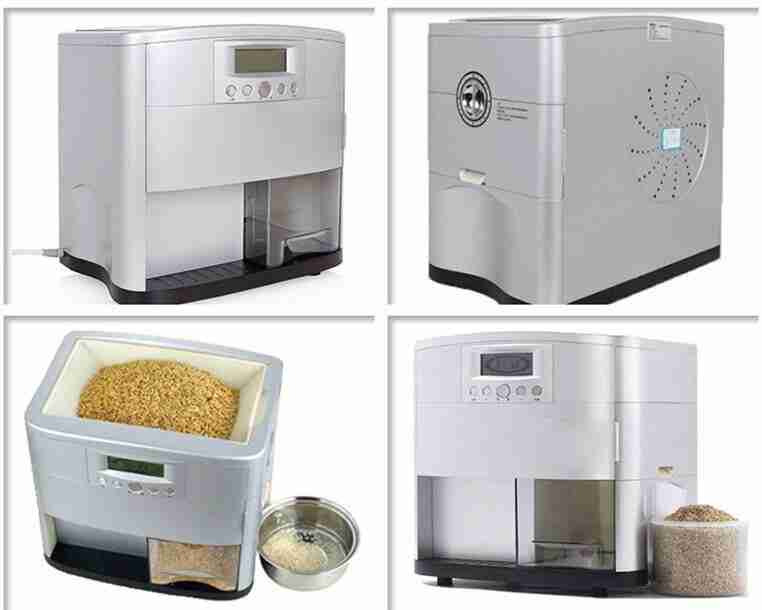
The Rise of Mini Rice Mills and Their Role in Sustainable Agriculture
The advent of mini rice mills has spurred a transformation in the agricultural landscape, particularly in developing nations. These compact milling solutions, designed for smallholder farms, are not only improving efficiency but are also championing sustainable practices. Unlike traditional, large-scale mills, mini rice mills enable farmers to process their rice locally, drastically reducing transportation costs and minimizing greenhouse gas emissions linked to bulk processing and distribution. This localized approach not only empowers farmers economically but also fosters food security by ensuring the freshness and quality of the rice produced.
Furthermore, mini rice mills play a pivotal role in promoting environmentally friendly practices. By facilitating the use of organic farming methods, these mills encourage the adoption of integrated pest management and crop rotation techniques. Some of the key benefits include:
- Reduced Waste: By processing rice on-site, milling waste is kept to a minimum and can often be repurposed as animal feed or fertilizer.
- Promoting Biodiversity: Local processing reduces the reliance on monoculture cropping, thereby supporting diverse farming systems.
- Economic Resilience: By retaining a larger share of profits within the local community, farmers can reinvest in sustainable practices.
| Feature | Benefit |
|---|---|
| Compact Design | Ideal for small farms |
| Low Energy Consumption | Environmentally friendly operation |
| Community Empowerment | Supports local economies |

Innovative Technologies Transforming Rice Milling Processes
Modern advancements in technology are revolutionizing the way rice milling is conducted, making processes remarkably more efficient and sustainable. One of the most notable innovations is the incorporation of smart sensors and IoT devices into milling machinery. These tools allow for real-time monitoring of moisture levels, temperature, and other critical parameters, ensuring that the rice is milled under optimal conditions. Additionally, automated sorting technologies enable the quick identification and separation of high-quality grains from impurities, thus enhancing the overall product quality while reducing manual labor and waste.
Another exciting development is the use of advanced software systems that utilize machine learning algorithms to optimize milling schedules and workflows. By analyzing data from previous milling batches, these systems can predict the most efficient milling sequences, minimizing downtime and increasing overall output. Furthermore, eco-friendly milling practices are gaining traction, with technologies like solar-powered mills and biomass energy systems paving the way for greener operations. This shift not only reduces the environmental impact of rice milling but also offers cost savings and energy efficiency to operators.

Benefits for Smallholder Farmers and Local Economies
The emergence of mini rice mills presents a transformative opportunity for smallholder farmers, fostering greater efficiency in processing and boosting their overall productivity. By decentralizing rice milling operations, these compact machines empower farmers to process their own harvests right on their farms, significantly reducing transportation costs and time delays associated with traditional milling methods. This localization not only facilitates fresher produce but also enhances the quality of the rice, as farmers can oversee the entire milling process. Key benefits include:
- Cost Savings: Lower operational costs are achieved through reduced transport expenses and minimal middleman interference.
- Increased Income: Farmers can retain a larger portion of their profits by processing rice themselves.
- Job Creation: The establishment of mini mills supports local employment opportunities, contributing to community development.
Moreover, the ripple effect of mini rice mills extends beyond individual farmers, positively influencing local economies. The improved rice processing capacity stimulates local markets, allowing for increased participation in agricultural value chains. As smallholder farmers gain access to fresh, high-quality rice, they can engage in better trade practices, bolstering both local sales and regional exports. Important economic contributions include:
| Economic Impact | Description |
|---|---|
| Market Diversification | Enables farmers to explore new markets and product varieties. |
| Enhanced Food Security | Boosts local availability of quality rice, promoting health and nutrition. |
| Community Resilience | Strengthens local networks, making rural economies more adaptable to changes. |
These developments not only secure the livelihoods of smallholder farmers but also cultivate a robust economic environment, allowing local economies to thrive amidst global challenges. With the rising significance of sustainable practices, embracing mini rice mills could lead to a future where communities are not just surviving but flourishing.
Strategic Partnerships for Expanding Access and Market Reach
In an increasingly competitive landscape, mini rice mills can significantly benefit from forging strategic partnerships that enhance their market presence and broaden access to essential resources. Collaborations with local agricultural cooperatives not only streamline the supply chain but also foster a sense of community that can lead to shared innovation and best practices. By aligning goals with distributors and retailers, mini rice mill operators can improve their marketing strategies and create direct pathways to consumers, thus driving sales while maximizing efficiency. Consider the implications of partnerships with tech companies that specialize in farming innovations; integrating cutting-edge technology can improve product quality and mill productivity, setting a new standard in the industry.
To evaluate potential partnerships, it’s crucial to focus on the following key attributes:
- Complementary Strengths: Partner with organizations that possess strengths your own operations may lack.
- Shared Values: Align with partners who share your commitment to sustainability and quality.
- Market Insights: Collaborate with firms that bring valuable market knowledge to navigate consumer preferences better.
Exploring these collaborations can manifest in various forms, such as joint ventures or co-marketing strategies. For instance, joint workshops for farmers can boost local production capabilities while simultaneously promoting the mini rice mill brand. Here’s a simple overview of meaningful partnership scenarios:
| Partnership Type | Benefit |
|---|---|
| Local Co-ops | Enhanced supply chain and resource efficiency |
| Agri-Tech Companies | Implementation of innovative technologies |
| Distributors | Bigger reach and improved sales channels |
By cultivating these strategic relationships, mini rice mills can unlock new avenues for growth, foster operational efficiencies, and ultimately lead the market into a more productive and sustainable future.
Wrapping Up
As we cast our gaze towards the horizon of agricultural innovation, mini rice mills stand out as a beacon of efficiency and sustainability. These compact powerhouses are not merely a trend; they represent a transformative shift in how we approach rice milling in a world increasingly challenged by resource limitations and rising demands. By embracing cutting-edge technology and refined processes, the future of mini rice mills promises to enhance productivity, reduce waste, and empower smallholder farmers. As we unlock the potential of these machines, we also unlock opportunities for economic growth and food security in communities across the globe. The journey toward a more efficient agricultural landscape has only just begun, and the mini rice mill is poised to play a pivotal role in shaping it. Let us continue to explore, innovate, and invest in these tools that not only process grains but also nurture the future of farming.



