
Unlocking Potential: The World of Paddy Processing Units
In the heart of agricultural landscapes, where verdant fields sway in the breeze, lies a transformative journey that begins with humble grains of rice. At the crossroads of tradition and innovation, paddy processing units serve as the vital engines of this journey, turning raw paddy into the staple food that nourishes billions. But these units are not merely functional entities; they are intricate systems that embody the fusion of technology, craftsmanship, and sustainability. As we delve into the world of paddy processing, we uncover the methods and machinery that unlock the potential hidden within each grain, elevating livelihoods and fostering a more resilient food future. Join us as we explore the significance of these processing units, illuminating their role in enhancing quality, efficiency, and socio-economic development within communities worldwide.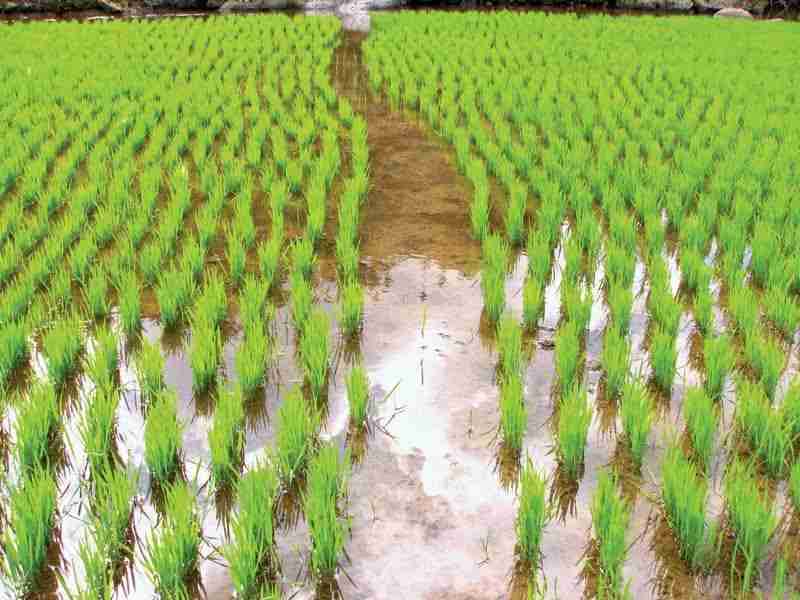
Exploring the Essentials of Paddy Processing Technologies
Paddy processing technologies play a crucial role in transforming raw rice into the versatile food staple that feeds millions around the globe. From traditional methods steeped in cultural practices to modern mechanized techniques, the spectrum is wide, catering to diverse agricultural demands. Key components of effective paddy processing include:
- Pre-cleaning: Removing impurities from harvested paddy.
- Hulling: Separating the hull from the grain.
- Milling: Polishing the rice and improving its quality.
- Grading: Sorting rice based on size and quality.
- Packaging: Preserving the product for storage and distribution.
As innovations continue to shape the processing landscape, the integration of automated machinery has significantly enhanced productivity and efficiency. Sustainable practices are also gaining traction, emphasizing the importance of waste management and energy-efficient systems. A comparison of some popular paddy processing technologies can provide insight into their effectiveness:
| Technology | Efficiency | Environment Impact |
|---|---|---|
| Traditional Methods | Low to Moderate | Higher Waste |
| Modern Milling Machines | High | Lower Waste |
| Solar Drying Systems | Moderate | Eco-Friendly |

Enhancing Efficiency Through Modern Automation Solutions
In the realm of paddy processing, integrating modern automation solutions can lead to a significant boost in operational efficiency. By replacing manual tasks with automated processes, paddy processing units can achieve greater consistency in output and quality. These advanced technologies not only enhance the speed at which paddy is converted to rice, but also minimize handling costs and reduce human error. Key features of modern automation include:
- Real-time monitoring: Automated systems provide continuous oversight, allowing for swift adjustments that maintain optimal processing conditions.
- Data analytics: Advanced algorithms analyze historical data to predict trends, helping operators make informed decisions.
- Integration with IoT: Smart devices facilitate seamless communication between different processing stages, ensuring a synchronized workflow.
The savings achieved through streamlined processes can be remarkable when examining the economics of modern paddy processing. Here’s a brief overview of how automation translates into cost-effectiveness:
| Aspect | Traditional Method | Automated Method |
|---|---|---|
| Labor Costs | High | Reduced |
| Processing Time | Longer | Shorter |
| Product Consistency | Variable | Uniform |
| Waste Generation | Higher | Lower |
By investing in these cutting-edge solutions, paddy processing units not only secure their place in a competitive market but also contribute to sustainable practices by minimizing waste and optimizing resource use. Embracing automation is a vital step towards unlocking the full potential of paddy processing operations and driving future growth.

Sustainable Practices for Eco-Friendly Paddy Processing
In the quest for eco-friendly food production, innovative paddy processing units are emerging as champions of sustainability. Incorporating renewable energy sources, such as solar and biogas, can significantly reduce carbon footprints associated with traditional rice milling operations. Furthermore, implementing water-efficient technologies, like recirculating wastewater systems and rainwater harvesting, can drastically minimize water waste in paddy processing, ensuring that this precious resource is preserved for future generations. The adoption of bio-based lubricants and non-toxic cleaning agents in machinery maintenance also helps in safeguarding local ecosystems vital for biodiversity.
To maximize sustainability, paddy processing units are encouraged to implement various eco-conscious practices. These may include:
- Waste Utilization: Transforming rice husk and straw into biofuel and organic fertilizer.
- Energy Audits: Regular assessments to identify and rectify energy inefficiencies.
- Community Engagement: Collaborating with local farmers for sourcing organic paddy and sharing sustainable farming techniques.
- Certification Programs: Pursuing certifications like ISO 14001 to formalize environmental management.
| Practice | Benefits |
|---|---|
| Solar Panels | Reduce energy costs and carbon emissions. |
| Composting | Enhance soil health and decrease waste. |
| Zero Waste Policy | Minimize waste output while maximizing resource recovery. |
By prioritizing these practices, paddy processing units can play a key role in not only enhancing their operational efficiency but also contributing to the broader agenda of sustainable agriculture. As awareness of environmental challenges continues to grow, these eco-friendly approaches will not only unlock the potential of rice production but also pave the way for a greener planet.
Navigating the Market: Strategies for Success in Paddy Value Chains
Success in the paddy value chain hinges on a multi-faceted approach that embraces innovation and collaboration. To navigate the complexities of this market, stakeholders must prioritize efficient processing methods. By investing in modern machinery, units can enhance productivity while minimizing waste. Furthermore, establishing strong relationships with farmers ensures a steady supply of quality paddy. This synergy not only supports local agriculture but also fosters community resilience and economic stability.
Moreover, expanding market access is crucial for maximizing the benefits derived from paddy processing. Utilizing digital platforms can facilitate smoother transactions between producers and consumers, broadening the reach of finished products. Additionally, understanding consumer preferences for sustainability opens avenues for branding and differentiation. To summarize potential strategies, consider the following:
| Strategy | Description |
|---|---|
| Technology Adoption | Investing in modern equipment for efficient processing. |
| Collaboration | Building partnerships with local farmers for quality supply. |
| Market Expansion | Using digital tools to reach wider markets. |
| Sustainability Initiatives | Targeting eco-conscious consumers through green practices. |
Concluding Remarks
the journey through the world of paddy processing units reveals a landscape rich with potential and innovation. As we peel back the layers of this vital sector, it becomes evident that these facilities are not merely machines and processes but rather the heartbeats of agricultural communities and economies. By unlocking their potential, we pave the way for enhanced efficiency, sustainability, and growth.
As technology advances and demand for quality rice rises, embracing modern techniques and practices in paddy processing will be essential. These units have the power to transform raw grains into a staple that nourishes millions, driving forward food security and prosperity.
The future of paddy processing holds great promise—one where collaboration, education, and investment will shape its evolution. As we continue to explore and innovate within this field, we are reminded of the interconnectedness of our agricultural systems and the importance of nurturing each facet of the process. By doing so, we not only enhance production but also honor the traditions and hard work embedded in every grain. Here’s to unlocking that potential and savoring the fruits of our labor, one grain at a time.



