
Unlocking Potential: The Future of Rice Mill Plants
In the heart of many agricultural landscapes lies an unsung hero—the rice mill plant. Often overshadowed by the glistening grains they process, these facilities are vital cogs in the machinery of food production, economic stability, and rural development. As the world grapples with the dual challenges of a burgeoning population and the pressing need for sustainable practices, the future of rice mill plants becomes a topic of paramount importance. With advancements in technology, innovative processing techniques, and a growing emphasis on sustainability, the next era of rice milling promises not only to enhance efficiency but also to transform the very essence of how we cultivate and consume this staple crop. Join us as we explore the myriad ways in which rice mill plants are unlocking their potential, paving the way for a more resilient and food-secure future.
Harnessing Technology for Enhanced Efficiency in Rice Milling
As the demand for rice continues to climb, modern rice milling operations are increasingly turning to cutting-edge technologies to improve productivity and reduce waste. By integrating automation, data analytics, and smart machinery, mills can streamline their processes and enhance their overall efficiency. This transformation not only minimizes labor costs but also ensures consistent quality and a faster turnaround time for the processing of rice.
Key technological advancements paving the way for enhanced efficiency include:
- Automated milling systems: These systems can significantly reduce human error and increase processing speed by utilizing sensors and robotics.
- IoT and data analytics: Real-time monitoring systems provide insights into every stage of the milling process, allowing for quick adjustments and preventative maintenance.
- Environmentally friendly practices: Innovations like water recycling and waste-to-energy technologies help in reducing the environmental footprint of rice milling operations.
Incorporating these technologies not only revolutionizes traditional methods but also sets the stage for a more sustainable future in rice production. Here’s a concise overview of some modern technologies influencing rice milling:
| Technology | Benefit |
|---|---|
| Automated milling | Higher efficiency and reduced labor costs |
| Data analytics | Improved decision-making and process optimization |
| Smart sensors | Real-time quality control and monitoring |
Investing in these advanced technologies is not just a trend; it is essential for staying competitive in the ever-evolving landscape of rice milling. By aligning with these innovations, rice mill plants can position themselves at the forefront of the industry, ensuring sustainable practices while meeting the growing global demand.
Sustainable Practices: Redefining Rice Mill Operations for Environmental Impact
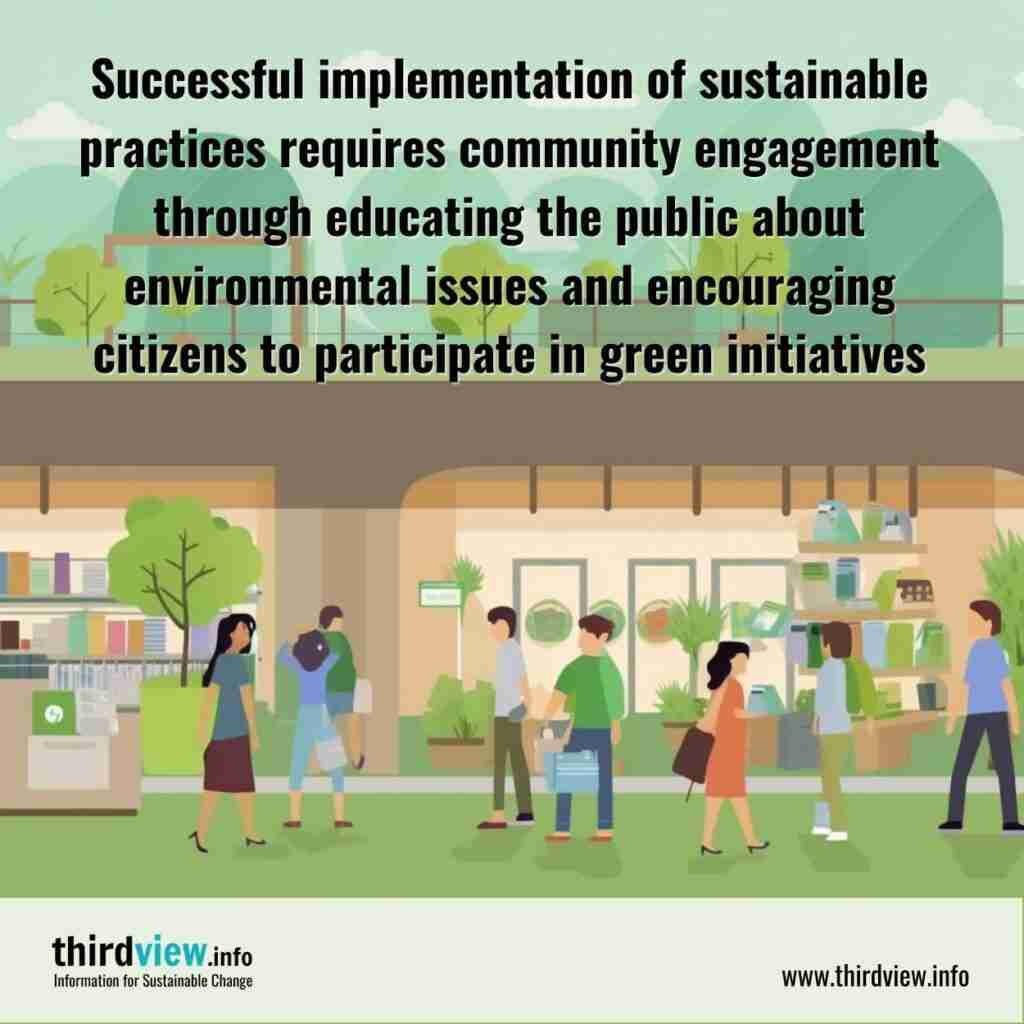
As the world increasingly shifts towards sustainability, rice mill operations are being transformed to not only meet market demands but also decrease their ecological footprint. By integrating renewable energy sources such as solar panels and biomass generators, rice mills can significantly lower their reliance on fossil fuels. The adoption of water-efficient technologies is equally crucial, with practices like recirculating water systems that minimize waste and promote conservation. Moreover, mills are exploring methods of zero waste production by utilizing by-products; for instance, rice husks can be converted into biofuel or mulch, contributing to a more circular economy. This holistic approach is paving the way for greener operations while ensuring productivity remains intact.
In pursuit of sustainability, many rice mills are also embracing smart farming techniques that enhance the efficiency of production processes. This includes the use of precision agriculture tools which optimize resource utilization and allow for real-time adjustments based on environmental conditions. The emphasis is on creating a resilient supply chain that not only benefits farmers but also satisfies consumer demands for ethically sourced produce. Furthermore, collaboration with local communities for sustainable practices fosters educational initiatives that influence broader agricultural trends. An overview of the potential sustainable practices can be depicted in the table below, showcasing innovative methods alongside their environmental benefits:
| Sustainable Practice | Environmental Benefit |
|---|---|
| Solar Energy Utilization | Reduces carbon emissions and cuts electricity costs. |
| Water Recycling Systems | Conserves water and lowers wastewater generation. |
| Zero Waste Initiatives | Minimizes landfill use and promotes resource recovery. |
| Precision Agriculture | Enhances productivity while conserving resources. |

Investment in Human Resource Development for a Skilled Workforce
Investing in the development of human resources is paramount to ensuring a robust skill set that meets the evolving challenges of the rice milling industry. With the technological advancements and increasing competition, a knowledgeable workforce can significantly enhance productivity and innovation. Training programs designed to cultivate expertise in areas such as machinery operation, quality control, and process optimization lay the groundwork for a thriving mill plant. Continuous learning opportunities can also promote employee retention, reducing turnover costs and creating a committed labor force dedicated to excellence.
To effectively implement such training programs, several key strategies should be prioritized:
- Partnerships with Educational Institutions: Collaborating with local universities and vocational schools can help tailor curriculum to meet industry demands.
- On-the-Job Training: Practical, hands-on experience is invaluable; mentoring programs can pair experienced workers with new hires.
- Workshops and Seminars: Regularly scheduled sessions on emerging technologies and best practices can keep staff updated.
These strategies aim not only to enhance individual capabilities but also to foster a cohesive team environment. Investing in your workforce yields long-term benefits that enhance operational efficiency, reduce waste, and ultimately elevate the quality of the rice products produced.
Exploring Market Trends: Future Opportunities for Rice Mill Plant Growth
As the global demand for rice continues to soar, opportunities for the expansion of rice mill plants are more promising than ever. Factors such as rising population rates, dietary shifts towards increased rice consumption, and the push for food security are driving this trend forward. In particular, advancements in milling technology and processing efficiency indicate a noteworthy evolution in the sector. As rice mill plants embrace automation and innovative processing methods, they can significantly enhance output while minimizing waste. This transition not only meets the growing consumer need but also aligns with sustainability goals, showcasing the potential for eco-friendly initiatives in rice production.
Additionally, the exploration of diverse markets presents exciting prospects for rice mill growth. Export opportunities are expanding, particularly in regions with high rice consumption but limited production capabilities. This trend is ignited by factors such as burgeoning e-commerce platforms and trade agreements that facilitate access to international markets. Rice mill plants can also diversify their product offerings to include value-added products, such as rice bran oil and organic rice, catering to health-conscious consumers. These strategies can serve to fortify business resilience and contribute to a more robust agricultural economy. In essence, adapting to these evolving market trends will be crucial for thriving in the competitive landscape of rice milling.
| Opportunity | Description |
|---|---|
| Advanced Technology | Implementation of automation and new processing techniques to enhance efficiency. |
| Diverse Market Access | Expansion into international markets with high demand for rice. |
| Value-Added Products | Incorporation of products like rice bran oil to tap into health trends. |
| Sustainability Initiatives | Focus on eco-friendly practices to meet consumer and regulatory demands. |
The Conclusion
As we stand on the threshold of a new era in agricultural innovation, the future of rice mill plants unfolds with limitless possibilities. The advancements in technology, sustainable practices, and global cooperation have created a fertile ground for transforming traditional methodologies into dynamic models of efficiency and productivity. By embracing these changes, we not only enhance the potential of rice production but also contribute to food security and economic stability for communities worldwide.
It is clear that the journey to unlock the true potential of rice mill plants is a collaborative effort—one that requires the blend of old wisdom and new technologies. As stakeholders in this evolution, we have the responsibility to harness these innovations, ensuring that they lead to better livelihoods while nurturing the planet.
The path ahead may be complex, but it invites us to dream bigger and work collectively towards a thriving future. Each step we take today in reimagining rice mill plants is a seed sown for tomorrow—one that will yield not just grains, but opportunities, sustainability, and resilience for generations to come. Let us cultivate this vision together, turning the challenges of today into the triumphs of tomorrow.



