
In the heart of rural landscapes, where fields of gold sway gently in the breeze, a silent revolution is underway. The age-old practice of rice harvesting is being transformed by a wave of innovation that brings efficiency and accessibility to the forefront. Portable rice milling machines, a breakthrough technology, are reshaping how farmers process their crop, granting them the power to turn the fruits of their labor into profit with newfound ease. No longer tethered to the confines of centralized milling facilities, smallholder farmers are embracing this modern tool, which not only streamlines the milling process but also enhances food security and boosts local economies. As we delve into the remarkable rise of these machines, we uncover a narrative of resilience, empowerment, and the quest for a sustainable agricultural future. Join us on this journey to explore how portable rice milling is not just changing the way we harvest, but also redefining the lifeblood of communities around the globe.
Advancements in Technology Driving Portable Rice Milling Machines
The evolution of portable rice milling machines has undergone a remarkable transformation, largely fueled by cutting-edge technological advancements. Engineered for efficiency, these machines now incorporate features like automated feeding systems, which allow for continuous operation without the need for manual intervention. Additionally, integrated sensors monitor moisture levels in real-time, ensuring optimal milling conditions that enhance the quality of the final product. This level of integration not only increases output but also minimizes the risk of grain damage, thereby improving the overall yield for farmers.
Moreover, the adoption of eco-friendly technologies has seen portable rice mills becoming more energy-efficient than ever. Solar-powered models are emerging, enabling rural farmers to operate their milling processes sustainably, even in areas with limited access to electricity. The compact design of these machines makes them exceptionally convenient, allowing for easy transport to various milling sites. Here are some notable features that highlight these advancements:
- Smart Technology Integration: Incorporates IoT for remote monitoring.
- Modular Design: Facilitates easy upgrades and maintenance.
- Low Consumption: Reduced fuel and power requirements.
- User-Friendly Interfaces: Simplified controls for operators.
| Feature | Benefit |
|---|---|
| Automated Feeding | Increases throughput and reduces labor |
| Eco-Friendly Power Options | Promotes sustainable farming practices |
| Real-Time Monitoring | Ensures optimal milling performance |
These technological innovations are not just changing the way rice is milled; they are laying the groundwork for a more efficient and sustainable agricultural future.
Maximizing Efficiency in Rice Production Through Mobility
Innovative portable rice milling machines are setting the stage for increased productivity in the agricultural sector. These machines are designed to be lightweight and adaptable, allowing farmers to easily transport them to various locations. By minimizing the time and energy spent on transporting harvested rice to centralized milling facilities, these machines enable on-site processing. This mobility not only reduces logistics costs but also enhances the freshness and quality of the milled rice. With features such as solar-powered operations or fuel efficiency, these machines empower farmers in remote areas to maximize their output with minimal resources.
Moreover, the integration of modern technology has transformed these portable milling units into multifunctional tools. Many models now come equipped with smart sensors that monitor grain quality and adjust milling speed accordingly. This ensures that the milling process is not only efficient but also produces consistent results. The increasing adoption of these devices leads to several key benefits, including:
- Reduced Post-Harvest Losses: By milling rice immediately after harvest, farmers minimize spoilage.
- Cost Savings: Reduced transportation and operational costs contribute to higher profit margins.
- Enhanced Local Economies: Communities can establish themselves as local milling hubs, boosting the economy.
As farmers leverage these portable innovations, they are not only improving their own productivity but also contributing to the sustainability of rice production in their regions. The blend of mobility and technology in these milling machines represents a significant shift toward a more resilient agricultural model.
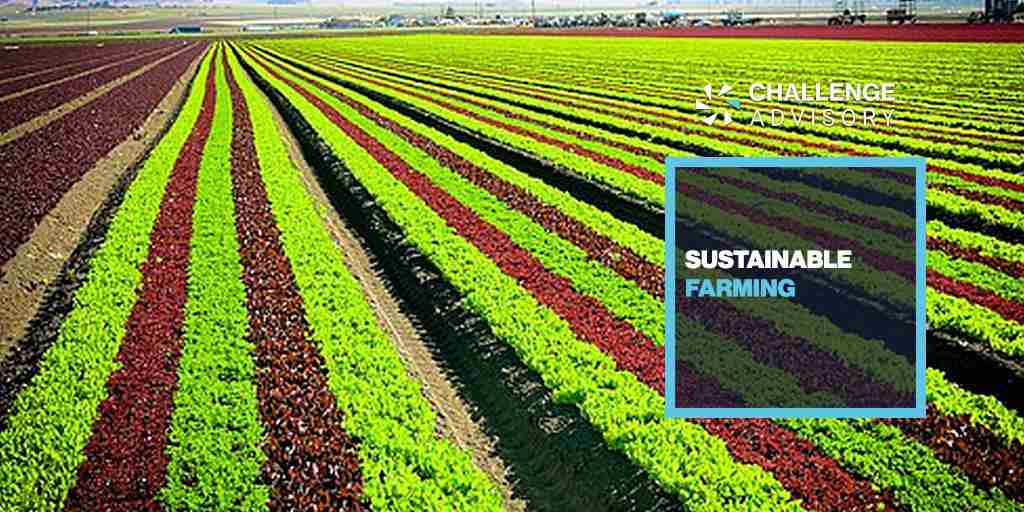
Sustainable Farming Practices Enhanced by Modern Milling Solutions
With the rise of portable rice milling machines, sustainable farming practices are experiencing a transformative evolution. These innovative machines not only simplify the milling process but also reduce the environmental footprint of rice production. Farmers can efficiently convert their harvested grain into market-ready products directly on-site, minimizing transportation emissions and energy consumption. Key benefits include:
- Reduced Waste: On-the-spot processing ensures that less rice is lost to spoilage during transport.
- Lower Carbon Footprint: As machines are compact and energy-efficient, they cut down on carbon emissions associated with traditional milling.
- Empowerment of Local Farmers: Accessibility to modern milling technology allows farmers to retain greater control over their produce.
Furthermore, integrating modern milling solutions into sustainable farming practices has led to enhanced economic viability for rural communities. Farmers no longer need to depend on distant milling facilities, reducing the time between harvest and sale. This increased efficiency also results in:
| Advantage | Impact |
|---|---|
| Cost Savings | Lower milling and transportation costs boost profits. |
| Improved Quality Control | Direct milling reduces contamination risks. |
| Job Creation | Local processing centers offer new employment opportunities. |
As these tools become more commonplace, they herald a new era of agricultural sustainability where efficiency and environmental stewardship go hand in hand, making it possible for farmers to thrive while respecting the ecosystem. The combination of modern technology with traditional farming wisdom paves the way for a resilient agricultural landscape that benefits all stakeholders involved.
Recommendations for Farmers: Choosing the Right Portable Milling Equipment
When selecting portable milling equipment, farmers should prioritize a few key factors to ensure optimal performance and efficiency. First, consider equipment capacity; it’s essential to choose a machine that matches your production needs, whether you’re milling a small batch for personal use or processing larger quantities for commercial sales. Additionally, assess the milling speed and efficiency of the machine. A faster operation time can significantly enhance your daily output, allowing for a more timely and effective harvest.
Another vital attribute to pay attention to is durability and maintenance. Since portable milling machines are often exposed to varying environmental conditions, investing in sturdy construction materials will save costs in the long run. Check if the model has user-friendly features that simplify adjustments and maintenance processes, ensuring that you can keep the machine running smoothly without constant technical support. Moreover, look for models that are equipped with energy-efficient technologies, helping to reduce operational costs while maximizing your harvest.
| Key Factors | Description |
|---|---|
| Equipment Capacity | Match machine size to production needs |
| Milling Speed | Evaluate the output rate for efficiency |
| Durability | Choose robust materials for longevity |
| User-Friendly Features | Ease of use for adjustments and maintenance |
| Energy Efficiency | Minimize operational costs through technology |
Wrapping Up
As we stand on the threshold of a new agricultural era, the emergence of portable rice milling machines heralds a transformative shift in how we approach food production and sustainability. These innovative devices not only enhance efficiency and reduce labor costs but also empower small-scale farmers and rural communities to take control of their harvests. With the ability to mill rice on-site, farmers can preserve freshness, reduce waste, and improve the overall quality of their produce.
The growing adoption of these machines is a testament to the agricultural sector’s resilience and adaptability. As we embrace technology that aligns with the principles of sustainability and local empowerment, we pave the way for a brighter future in food security. The journey of revolutionizing harvests has just begun, and the possibilities are as vast as the fields themselves. In this unfolding narrative, portable rice milling machines are more than just tools—they symbolize hope, progress, and the potential for a more equitable agricultural landscape. As we continue to explore and innovate, let us remain committed to harnessing technology for the benefit of all, ensuring that no grain is left behind in our quest for abundance.



