
Rice, a staple food for billions around the world, is a crop that has been cultivated and consumed for centuries. In recent years, there has been a shift towards smaller, more efficient rice mills known as mini rice mills. These compact machines have the potential to revolutionize the way rice is processed, offering increased efficiency and reduced waste. In this article, we will explore how unlocking the potential of mini rice mills can benefit farmers, consumers, and the environment.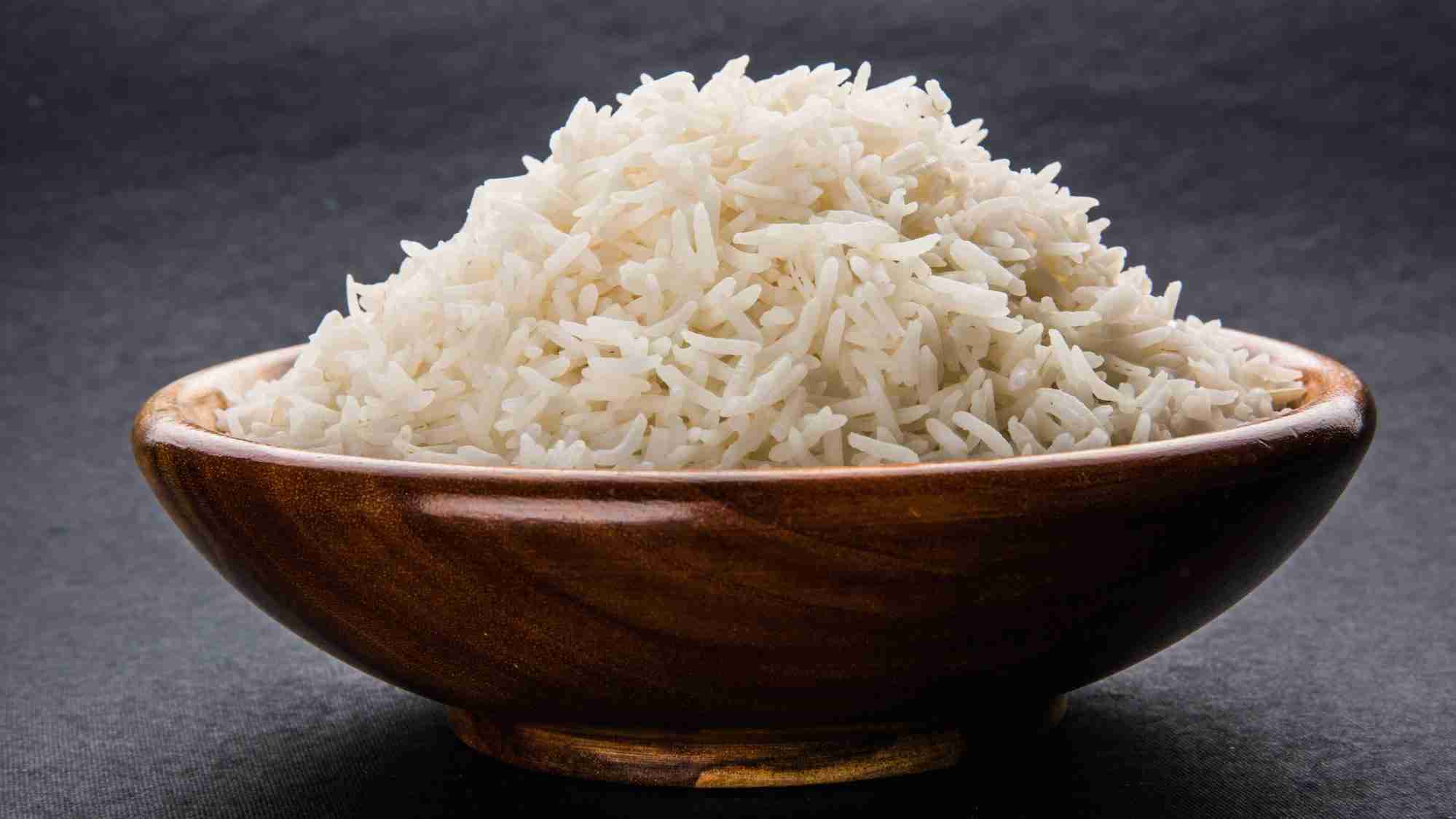
Heading 1: Revolutionizing Rice Production through Mini Mills
Mini rice mills are quickly revolutionizing rice production around the world. These small-scale mills are changing the game by making rice processing more efficient, cost-effective, and environmentally friendly. Gone are the days of traditional large-scale rice mills, as mini mills are proving to be the future of rice production.
With mini rice mills, farmers can now process their rice on-site, eliminating the need to transport their crop to a larger facility. This not only saves time and money but also ensures that the quality of the rice is maintained throughout the processing. Additionally, mini mills are customizable and can be tailored to fit the specific needs of each individual farmer. This flexibility allows farmers to maximize their production and increase their profits. The future of rice production is here, and it’s in the form of mini mills.

Heading 2: Maximizing Efficiency and Profitability in Small-Scale Milling
Small-scale milling operations, particularly mini rice mills, have the potential to revolutionize the agricultural industry. By implementing innovative techniques and technologies, small mill owners can significantly increase their efficiency and profitability. One key strategy is to streamline the milling process by investing in modern machinery that can handle tasks such as husking, polishing, and sorting with minimal human intervention. This not only reduces labor costs but also ensures a higher quality end product.
Another important aspect of maximizing efficiency and profitability in small-scale milling is to carefully monitor and optimize resource usage. By keeping track of factors such as energy consumption, water usage, and raw material wastage, mill owners can identify areas for improvement and minimize unnecessary expenditures. Implementing sustainable practices, such as recycling water and using energy-efficient equipment, can not only reduce operating costs but also contribute to environmental conservation.

Heading 3: Implementing Sustainable Practices for Mini Rice Mills
Mini rice mills have the potential to revolutionize the rice industry by incorporating sustainable practices into their operations. By implementing environmentally friendly methods, these small-scale mills can reduce their carbon footprint and contribute to a more sustainable future. One way to achieve this is by utilizing solar power as an alternative energy source, reducing reliance on fossil fuels and lowering operating costs.
Another key aspect of sustainable practices for mini rice mills is ensuring efficient water usage. Implementing water-saving techniques such as drip irrigation systems and rainwater harvesting can help reduce water wastage and conserve this precious resource. Additionally, adopting organic farming practices and using natural fertilizers can improve soil health and promote biodiversity in rice paddies. By embracing sustainability, mini rice mills can unlock their full potential and make a positive impact on the environment and their communities.
Heading 4: Harnessing Technology to Enhance Output and Quality in Rice Milling
Mini rice mills have revolutionized the rice milling industry by harnessing the power of technology to boost output and quality. These compact machines are equipped with state-of-the-art features that ensure efficient processing of rice grains, resulting in higher yields and superior quality rice. With advanced automation and precision engineering, mini rice mills are able to remove impurities, dehusk, polish, and sort rice grains with unmatched accuracy and speed.
By investing in mini rice mills, rice millers can significantly enhance their production capacity and product quality while reducing operational costs. The use of innovative technologies such as digital monitoring systems, automated temperature controls, and intelligent sorting mechanisms further optimize the milling process, ensuring consistent and top-grade rice output. Mini rice mills truly unlock the potential of rice milling, offering a sustainable solution for maximizing productivity and quality in this essential industry.
Wrapping Up
As we delve into the world of mini rice mills, it becomes clear that these compact machines hold immense potential for revolutionizing the agriculture industry. From increasing efficiency to reducing wastage, the benefits of unlocking the potential of mini rice mills are truly endless. With advancements in technology and innovation, the future looks promising for this versatile tool. So, let’s embrace the possibilities and unlock the full potential of mini rice mills for a brighter, more sustainable future in agriculture.



