
Welcome to the fascinating world of rice mills, where grains are transformed from raw paddy into the polished rice that graces our dinner tables. In this article, we will delve into the intricate workings of these mills, exploring the machinery, processes, and personnel that bring this staple food product to life. Join us as we take a behind-the-scenes look at “The Grain Game: Inside the World of Rice Mills.”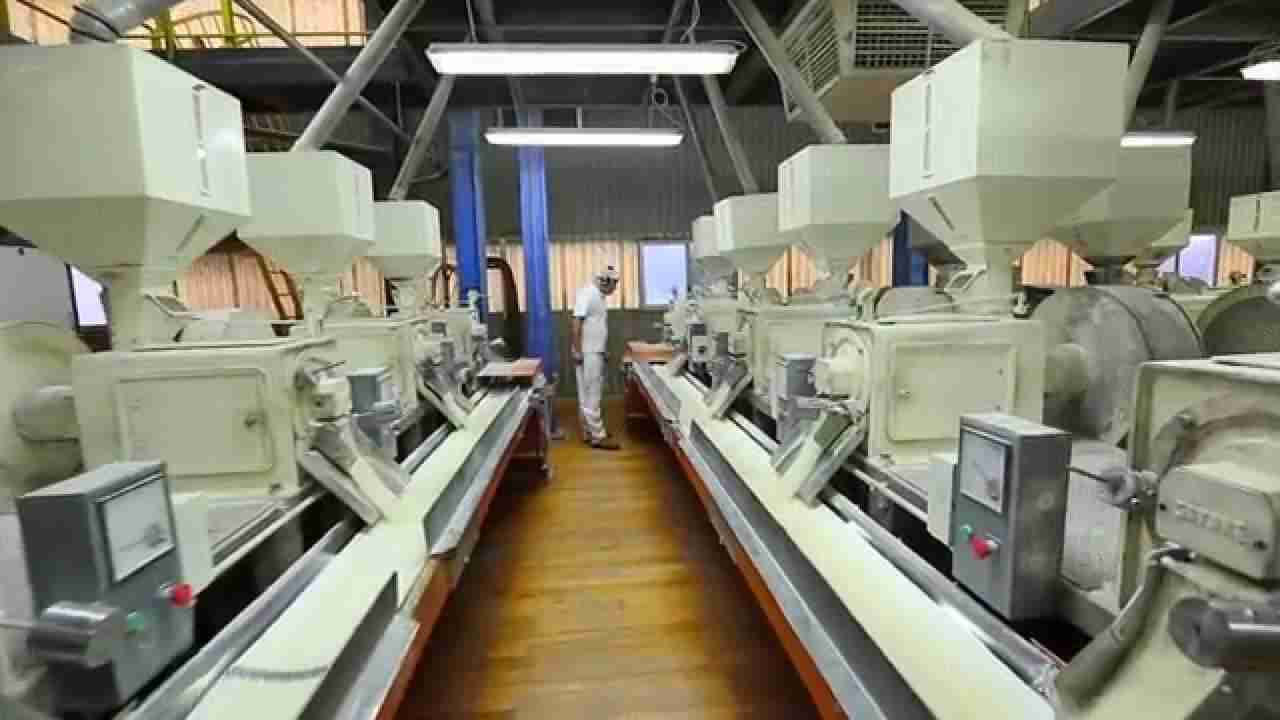
Exploring the Intricate Process of Rice Milling
Rice milling is a fascinating process that involves a series of intricate steps to transform raw rice grains into the polished white rice we see on our plates. One of the key components of this process is removing the hull and bran layers from the rice kernel to produce edible rice. This is typically done using a rice milling machine that carefully separates the different parts of the grain.
During the milling process, the rice is also polished to give it a shiny appearance and improve its overall quality. Additionally, the grains are sorted based on size, shape, and color to ensure uniformity in the final product. The end result is a batch of perfectly processed rice ready to be packaged and shipped off to consumers around the world. The world of rice mills is a complex and fascinating one, where precision and attention to detail are paramount.

Efficiency and Sustainability in Rice Mill Operations
Rice mills play a crucial role in producing one of the world’s most consumed staple foods. Efficient and sustainable operations in these facilities are essential to meet the growing demands for rice while minimizing environmental impact. From modern technology to traditional practices, rice mill operators are constantly seeking innovative ways to streamline processes and ensure a more sustainable future.
By embracing automation and implementing eco-friendly practices, rice mills can reduce waste, conserve resources, and improve overall efficiency. Investing in energy-efficient machinery, optimizing water usage, and utilizing by-products for secondary purposes are just a few ways in which rice mill operators can enhance sustainability in their operations. Through continuous improvement and a dedication to environmentally conscious practices, rice mills can play a significant role in ensuring the long-term viability of the rice industry.

Navigating Challenges in the Competitive Rice Mill Industry
In the competitive rice mill industry, businesses face a myriad of challenges that require strategic navigation to stay ahead of the game. From fluctuating market prices to changing consumer preferences, rice mill owners must constantly adapt to stay relevant in the ever-evolving industry landscape. One major challenge is the competition among rice mills to produce high-quality rice while keeping production costs low. This delicate balance requires innovation, efficiency, and a deep understanding of market trends.
Another key challenge faced by rice mill owners is ensuring food safety and quality control throughout the production process. With stringent regulations in place and increasing consumer demand for organic and non-GMO products, rice mills must invest in state-of-the-art technology and strict quality control measures to maintain trust and loyalty among their customers. By investing in sustainable practices and building strong relationships within the supply chain, rice mill owners can proactively address these challenges and secure a competitive edge in the industry.
Strategies for Success in the Global Rice Mill Market
In the competitive and dynamic world of rice mills, staying ahead requires a combination of strategic approaches and innovative thinking. One key strategy is to focus on quality control and efficiency in the milling process. By investing in modern technology and equipment, rice millers can ensure consistent and high-quality output, leading to satisfied customers and repeat business.
Another important aspect to consider is market analysis and diversification. Understanding global trends and consumer preferences can help rice millers identify new opportunities for growth and expansion. By exploring new markets and product lines, businesses can stay resilient and adaptable in the ever-changing landscape of the global rice mill market.
Insights and Conclusions
As we step out of the fascinating world of rice mills, we are left with a newfound appreciation for the intricate processes that go into producing the grains we often take for granted. From the state-of-the-art technology to the skilled laborers working tirelessly behind the scenes, the grain game is a complex and dynamic industry that plays a vital role in feeding the world. So the next time you enjoy a bowl of rice, remember the incredible journey it took to reach your plate. And perhaps, in doing so, you may find yourself viewing this humble grain in a whole new light.



