Maximizing efficiency: Essential Considerations for Setting Up a Profitable Rice Milling Unit
In the heart of agricultural economies across the globe, rice stands as a staple that fuels both livelihoods and culinary traditions. However, turning this golden grain into a profitable venture requires more then just a passion for cultivation; it demands a keen understanding of the milling process and meticulous planning. As the demand for quality rice continues to rise, setting up an efficient rice milling unit becomes not only a business possibility but also a crucial step in enhancing the value chain from field to fork. This article delves into the basic considerations that can help aspiring entrepreneurs and established millers alike streamline operations, optimize resource use, and ultimately maximize profits. Whether you’re a newcomer to the industry or looking to refine your existing business, join us as we explore the essential factors that can influence the success of your rice milling venture.
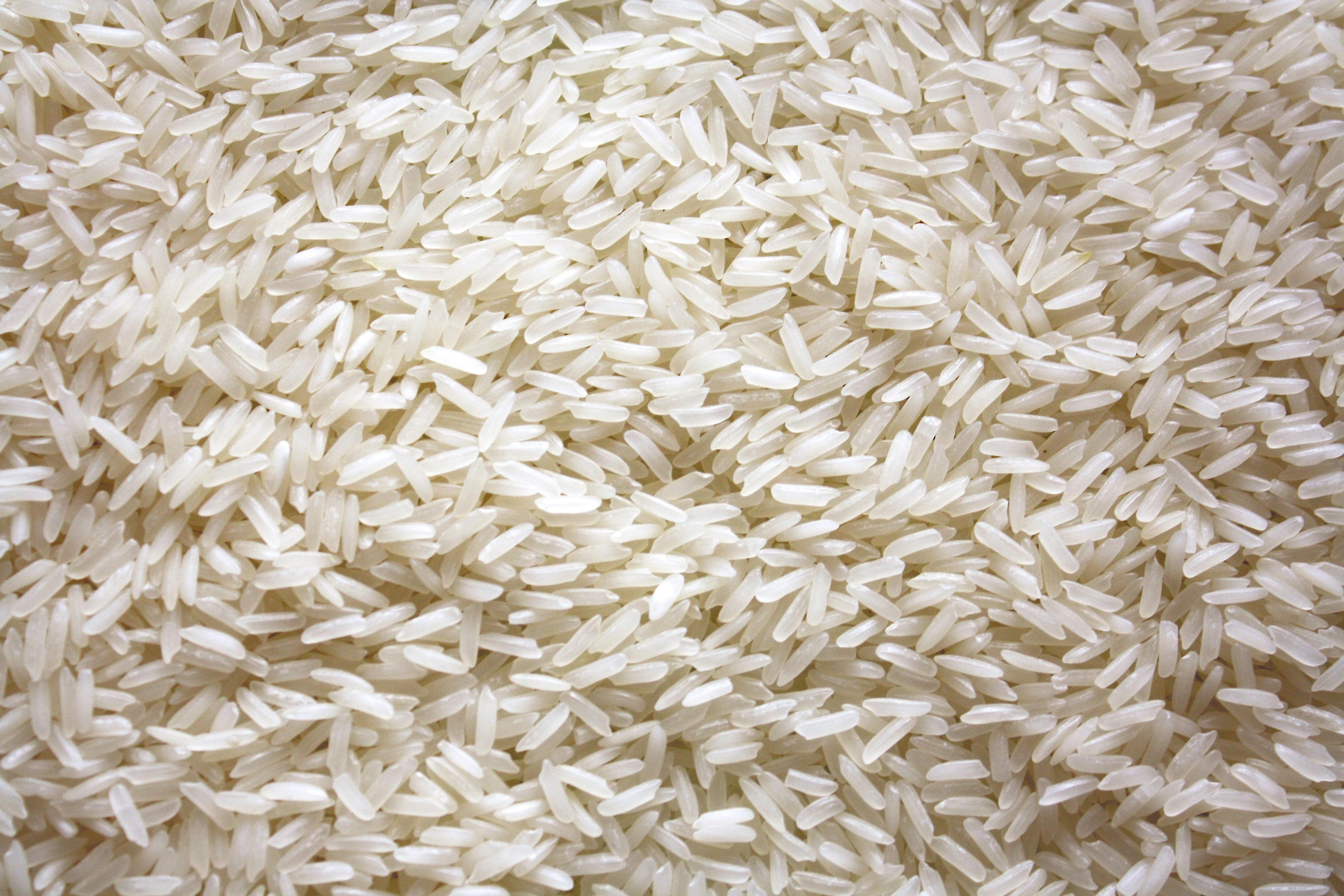
Choosing the Right Equipment for Optimal Performance in Rice Milling Operations
When selecting equipment for rice milling operations,prioritize machines that can enhance throughput without compromising grain quality.Start by assessing the size of your intended production facility, as this will determine the capacity of the machinery. As an example, a small-scale operation may benefit from a combined rice miller that integrates husking, milling, and polishing processes in one unit, which can save space and reduce labor costs. Moreover, assess the quality of the machinery.Avoid low-cost equipment that might lead to frequent breakdowns, as maintenance and downtime can be economically devastating. Invest in reputable brands known for their reliability, such as Satake or Nishiyama, which offer high efficiency and lower energy consumption.
Additionally, ensure your equipment choice aligns with the quality of the rice you’re processing. For premium quality rice,a de-stoner or color sorter is essential to remove impurities that can degrade product quality. Analyse your local rice varieties; such as, if you’re milling aromatic rice, precise temperature control and gentle handling should be prioritized to preserve fragrance and taste.Prepare a checklist to evaluate suppliers based on their service reliability, spare part availability, and client feedback. Frequently enough, new mill owners underestimate the importance of post-sale support and training; workshops offered by manufacturers can dramatically enhance operational efficiency. A simple table comparing the key features of potential equipment coudl also provide clarity in your decision-making process:
| Equipment Type | Capacity (kg/h) | Energy Consumption (kW) | Estimated Cost ($) | Notes |
|---|---|---|---|---|
| Combined Rice Miller | 300 | 15 | 15,000 | Compact, all-in-one solution |
| de-stoner | 200 | 5 | 5,000 | essential for quality preservation |
| Color Sorter | 500 | 10 | 20,000 | Improves marketability of rice |

Key Factors to Assess for Streamlined workflow and Increased Profitability
To achieve a streamlined workflow and maximize profitability in your rice milling unit, several key factors need careful assessment and strategic action. Start by evaluating your equipment choices. Select machinery that matches the scale of your operations and efficiency requirements. for instance, consider investing in modern, high-capacity milling machines with minimal power consumption. Regular maintenance schedules should not be overlooked; machines suffering from wear can cause production delays and increase operational costs. Key equipment considerations include:
- Type of mill: Consider the choice between traditional stone mills versus modern rice millers optimized for speed and efficiency.
- Technology integration: Explore automation solutions, such as automatic paddy sorting and milling control systems, to enhance precision and reduce manual labor.
- Energy consumption: Choose energy-efficient models to lower overhead costs and improve profit margins.
Next, workflow institution is crucial. A common pitfall in rice milling operations is poor layout, leading to bottlenecks and inefficiency. Ensure your mill’s design promotes a logical flow from paddy reception to milling, polishing, and packaging. Implementing practices like lean management can minimize waste and enhance throughput. Additionally, employees should be trained in best practices for operating machinery and managing inventory. Use the following checklist to identify potential workflow improvements:
| Action item | Consideration |
|---|---|
| Layout Optimization | Map out a workflow diagram minimizing movement and time. |
| Inventory Management | Utilize software for tracking raw materials and finished goods in real-time. |
| Employee Training | Conduct regular training sessions to emphasize efficiency and safety. |
Every detail can contribute to your unit’s overall efficiency, so staying alert to opportunities for improvement is essential. Regular assessments and adaptations will not only protect against common missteps but also position your rice milling unit for sustained profitability.
Common pitfalls to Sidestep When Establishing a Successful Rice Milling Business
When establishing a rice milling business, avoiding common pitfalls can greatly enhance your chances of profitability. A frequent mistake is underestimating the importance of market research. Many new entrepreneurs dive in without a thorough understanding of their target market,leading to stockpiling of the wrong product types or poor pricing strategies. To sidestep this pitfall:
- Conduct thorough market analysis: Investigate local demand for different rice varieties. Are consumers interested in organic, traditional, or specialty rices?
- Engage with local agricultural cooperatives: Their insights can be invaluable in determining what rice types are in demand and were your potential customers are located.
- Create a flexible pricing strategy: Be prepared to adjust prices based on areas of demand and competitor pricing.
Another area where newcomers frequently enough falter is in selecting and maintaining equipment. Choosing low-cost machinery might seem appealing initially but can lead to high maintenance costs and downtime.Instead, consider the following:
- Invest in reliable machinery: Brands well-known for durability and efficiency could save money in the long run. as an example, brands like Satake or buhler offer machines that may have a higher upfront cost but pay dividends in longevity and performance.
- Regular maintenance schedules: Set up a routine check for your milling equipment to prevent breakdowns, reducing unexpected costs and production halts.
- Consult with experienced millers: They can provide insights on equipment performance, including which machines tend to require less maintenance and produce better-quality rice.
Best Practices and Innovative Strategies to Enhance Rice Mill Efficiency
To enhance rice mill efficiency, it is indeed essential to optimize both machinery and processes. Start by conducting a thorough evaluation of your milling equipment. Look for the following key aspects:
- Equipment Age and Maintenance: Old or poorly maintained machines can lead to higher breakdown rates. Implement a regular maintenance schedule to avoid unexpected downtimes.
- Technology Integration: Invest in advanced milling technology, such as digital monitoring systems that can track production metrics in real-time, allowing for timely adjustments.
- Energy Efficiency: Assess energy consumption patterns and explore options such as energy-efficient motors and variable frequency drives.
Also, streamline the milling process to minimize waste and optimize output. A common oversight is improper sorting of paddy before milling. Ensure a strict quality control protocol is in place that includes:
- Moisture Content Testing: Use moisture meters to test paddy before milling; inadequate moisture can result in breakage and lower yield.
- sample Testing: Regularly take samples of the output to ensure consistent quality and make adjustments based on the findings.
- Employee Training: Implement ongoing training sessions for operators to ensure they understand the latest techniques and machinery capabilities.
by focusing on these areas, you can significantly improve the overall efficiency and profitability of your rice milling operation. Combine technology with skilled labor and proactive management to create a robust and adaptive milling unit capable of meeting market demands.
To Conclude
establishing a profitable rice milling unit requires a blend of strategic planning, technological investment, and meticulous attention to operational details. The journey towards maximizing efficiency is not merely about the machinery you choose or the location of your unit, but also about understanding the complete value chain, from sourcing high-quality paddy to delivering superior end products. By embracing best practices,harnessing innovative technologies,and fostering a culture of continuous improvement,entrepreneurs can unlock the full potential of their milling operations.
As the global demand for rice continues to rise, the prospects for successful milling ventures are more promising than ever. Whether you are a seasoned investor or a budding entrepreneur,the insights shared in this article will serve as a valuable guide in navigating the complexities of the rice milling industry. with careful consideration of the factors outlined, you can forge a pathway not only to profitability but also to sustainability in a sector that feeds millions. As you embark on this endeavor,remember that the seeds of success are sown through knowledge,preparation,and a commitment to excellence.