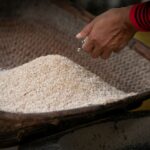
In the ever-evolving landscape of the agricultural industry, the demand for high-quality rice is unrelenting. As the global population swells and culinary preferences diversify, operating a rice mill plant that maximizes efficiency has never been more crucial.This article delves into the essential strategies that can transform a conventional rice mill into a high-performance powerhouse.Whether you’re a seasoned mill operator or a newcomer to the field, understanding the nuances of technology, process optimization, and resource management will empower you to not only meet market demands but also enhance profitability and sustainability. Join us as we explore the vital components that contribute to the success of a modern rice milling operation, ensuring that your plant stands out in a competitive market.
Optimal Selection Tips for a High-Performance rice mill plant
When selecting a high-performance rice mill plant, a few critical factors must be considered to ensure optimal efficiency and productivity. Start with a thorough analysis of your production capacity needs. Assess factors such as:
- Daily Milling Capacity: Determine the amount of rice you plan to mill daily.This helps ensure that machinery can handle your volume without bottlenecks.
- Grain Type and Quality: Ensure the mill can handle different rice varieties, including indica, japonica, and aromatic types, with the required quality standards.
- Energy Efficiency: Look for energy-efficient models that minimize power consumption, which can considerably reduce operational costs over time.
Next, don’t overlook the importance of technology integration in your rice milling plant. Modern mills often come equipped with advanced features that enhance efficiency. For example, consider investing in:
- Automated Sorting Systems: These can improve the separation of broken grains and impurities, thus enhancing overall quality.
- Moisture Content Control: Systems that monitor and adjust moisture levels during milling prevent spoilage and ensure optimal storage conditions.
- Data Analytics: Implementing software solutions for monitoring production metrics helps identify bottlenecks and improve maintenance schedules.
Moreover, be wary of common pitfalls such as overestimating a mill’s output without understanding the operational conditions, which can lead to disappointing performance. Conduct site visits and gather testimonials from existing users to make more informed choices.

Key operational Practices to Enhance Productivity and Quality
Implementing key operational practices can significantly boost productivity and quality in your rice mill plant. First, conduct a thorough analysis of your production workflow. Typically, bottlenecks arise from outdated machinery or poorly designed processes. Utilize the following checklist to optimize efficiency:
- Regular Maintenance: Schedule preventive maintenance to avoid unexpected downtimes. As a notable example, insulate grain handling equipment to prevent grain spoilage and machinery breakdown.
- Quality Control Points: Establish key checkpoints for quality assessment during processing, such as after husking, whitening, and polishing.
- Employee Training: Invest in complete training programs focused on best practices and safety protocols to minimize human errors.
- Data Monitoring: Implement data tracking software to analyze yield rates, downtime, and energy consumption. This can guide timely adjustments to your operations.
In addition, fostering a culture of continuous improvement is essential for sustaining high performance. Consider utilizing tools like the PDCA (Plan-Do-Check-Act) cycle to refine processes iteratively. Here’s a simple table to determine how to prioritize changes:
| change Type | Impact | Feasibility |
|---|---|---|
| machinery Upgrade | High | Medium |
| Process Redesign | Medium | High |
| Staff Training | medium | High |
Evaluate potential changes based on their predicted impact and feasibility. It’s common for mills to overlook modest improvements that can lead to significant gains, such as reducing product waste or increasing labor efficiency. Always weigh the cost of changes against their potential returns, and remember that what usually works better is not just immediate fixes but building a resilient operation that can adapt to future challenges.
Critical Factors to Evaluate When Investing in Rice Milling Technology
When investing in rice milling technology, there are several critical factors to consider that can significantly impact your plant’s efficiency and profitability. Start by assessing the capacity requirements based on your projected output. Your decision should be guided by an analysis of market demand and supply chain logistics. A milling system with a capacity that exceeds your needs can lead to unneeded operational costs. Additionally, focus on energy efficiency ratings of different milling machines. For example, milling equipment that boasts energy-saving features can reduce operational costs substantially over time. Review specifications with regard to electricity consumption per ton of paddy processed.
Furthermore,avoid common pitfalls by researching the durability and maintenance requirements of the technology you are considering. Frequent breakdowns can disrupt production and lead to unexpected expenses. Evaluate which brands offer robust warranties or service plans,as these can also save costs in the long run. Make comparisons in a comparison table format, as illustrated below:
| Brand | energy Efficiency (kWh/ton) | Warranty Period | Average Maintenance Cost |
|---|---|---|---|
| Brand A | 30 | 2 years | $500/year |
| Brand B | 25 | 3 years | $400/year |
| Brand C | 35 | 1 year | $600/year |
Additionally, ensure the compatibility of your chosen technology with local rice varieties and agricultural practices. Mismatched processes can lead to diminished yields and greater waste. Interacting with current users of the technology can provide invaluable insight into real-world performance and areas that typically require adjustment or oversight. Leverage these evaluations to make informed choices based on practical outcomes rather than solely on specifications or marketing claims.
Avoiding Pitfalls: Common Missteps in Rice Mill Management and Their Solutions
In the realm of rice mill management, avoiding common missteps can significantly enhance operational efficiency and profitability. One prevalent error is neglecting regular maintenance of machinery, which can lead to unexpected downtime and costly repairs.To prevent this, establish a maintenance schedule that includes:
- Daily checks on critical equipment such as hullers and polishers.
- Weekly lubrication and cleaning sessions.
- Monthly inspections to identify wear and tear before it escalates.
additionally, improper training of staff can result in inefficiencies and lower product quality. It’s essential to implement comprehensive training programs that cover both operational procedures and safety protocols. Such as, rather of just instructing operators to use the huller, provide hands-on sessions focused on the importance of optimal settings and troubleshooting common issues. This empowers employees to take ownership of their roles and reduces the risk of machine misuse.
Another critical area is the absence of data analysis for decision-making. Many rice mill managers operate based on intuition rather than concrete data, leading to stock imbalances and inefficient resource allocation. Invest in software that tracks production metrics, inventory levels, and supply chain logistics.For instance, using a dashboard that visualizes real-time milling outputs can help identify trends and adjust workflows more efficiently. Moreover, reviewing historical data can guide purchasing decisions to avoid overstocking or stockouts. Here’s a simple table to track daily production versus inventory:
| Date | Daily Production (kg) | Inventory Level (kg) |
|---|---|---|
| 01/01/2023 | 500 | 2000 |
| 01/02/2023 | 450 | 1800 |
By actively monitoring these areas,rice mill operators can make informed choices to enhance productivity,ultimately leading to a more successful operation.
To Conclude
optimizing the efficiency of a high-performance rice mill plant involves a harmonious blend of strategic planning, innovative technology, and diligent management practices. By implementing the essential strategies we’ve discussed—ranging from selecting the right equipment to embracing best operational practices—the journey toward enhanced productivity and sustainability becomes attainable. As the demand for high-quality rice continues to rise,mill operators have an unprecedented opportunity not only to elevate their business but also to contribute positively to the agricultural ecosystem.As you venture forward,remember that success in this industry isn’t just about the machinery or processes; it’s also about fostering a culture of continuous improvement and adaptability.Embrace the potential of your rice mill plant, and let it be a testament to what can be achieved when efficiency meets ingenuity. Here’s to a future filled with thriving operations and abundant harvests!