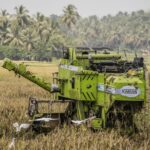
In a world facing increasing climate challenges and rising food demands,the agricultural sector is at a pivotal crossroads. Among the staple crops that feed billions, rice stands out not just as a dietary essential but as a symbol of resilience and sustainability. The customary methods of rice cultivation and processing, once rooted deeply in time-honored practices, are now being revolutionized by modern technology and innovative approaches. This change is taking shape in the form of cutting-edge rice processing plants that are not only enhancing product quality and efficiency but also redefining the very principles of sustainability and profitability in agriculture. As we delve into the intricate processes behind these modern facilities, we uncover how they are aligning economic viability with ecological obligation, paving the way for a greener future in rice production. Join us as we unveil the grain and explore the intersection of tradition and innovation in this essential industry.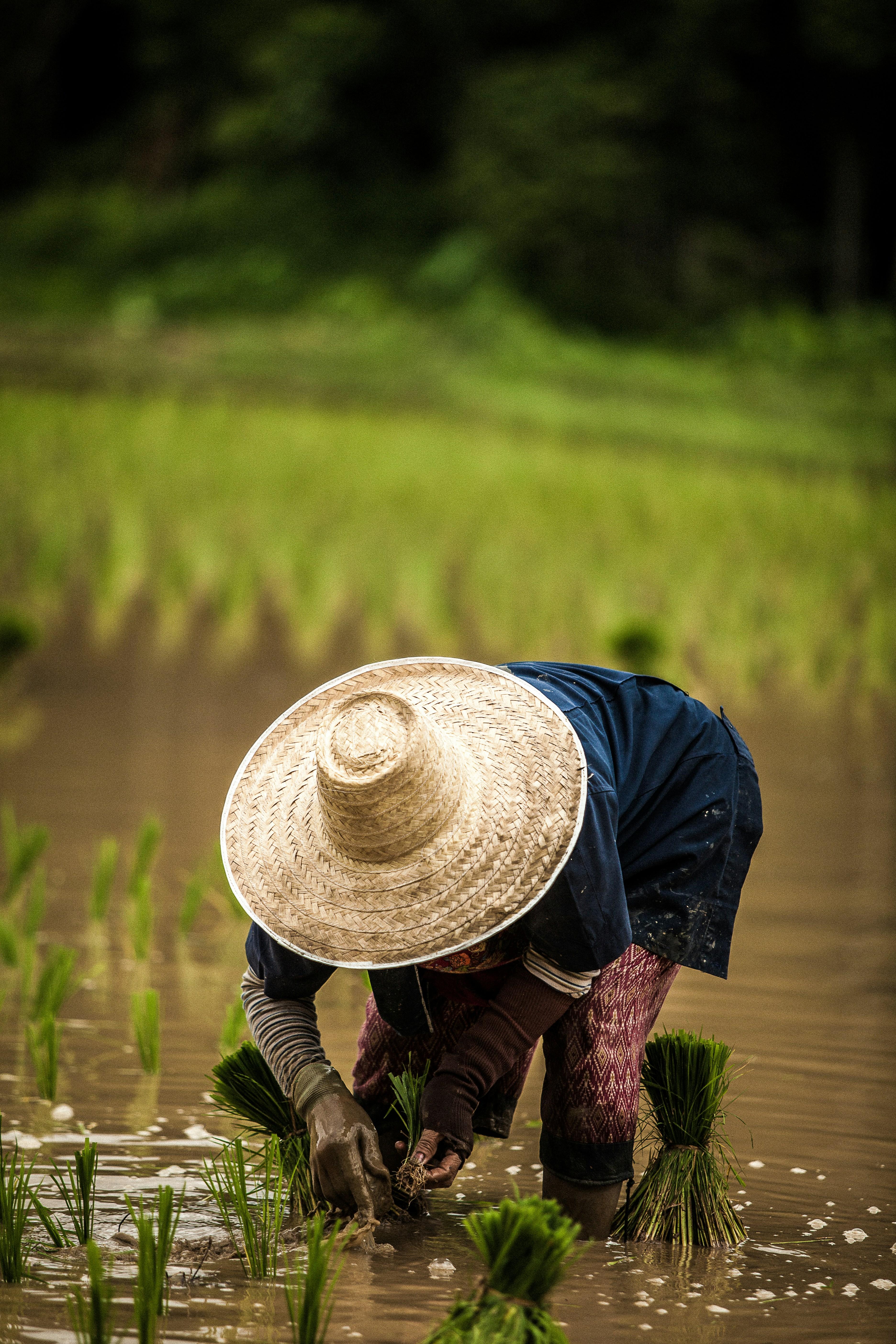
Navigating the invisible Costs of Rice Processing: The Sustainability Dilemma Revisited
Navigating the complex landscape of rice processing reveals a plethora of invisible costs that frequently enough elude surface-level assessments. Beyond the financial implications, environmental footprints and social consequences come into play, necessitating a multifaceted evaluation of sustainability.the common view frames rice processing as merely a mechanical endeavor—converting raw paddy into market-ready rice. However, this viewpoint fails to account for hidden costs such as water consumption, energy use, and waste generation. For instance, processing one ton of rice might require up to 2,500 liters of water, raising critical questions about resource management in water-scarce regions. Thus, stakeholders must distinguish between operational efficiency and holistic sustainability that accounts for the local ecosystem.
to address these invisible costs effectively, rice processing facilities need to adopt nuanced approaches instead of relying on blanket solutions. A shift towards energy-efficient technologies, like solar or biogas systems, can yield meaningful long-term benefits, both economically and environmentally. Additionally, practices such as closed-loop water systems and waste-to-energy conversions can minimize resource input and create value from by-products. Here are essential considerations for rice processors looking to balance profit and sustainability:
- Cost-Benefit Analysis: Conduct rigorous evaluations that factor in environmental impacts alongside traditional ROI metrics.
- Local Engagement: Collaborate with local communities to develop solutions that align with both economic and ecological priorities.
- Innovation Incentives: Invest in R&D for new processing methods that streamline resource use while maintaining quality.
A failure to deeply analyze these facets risks perpetuating outdated assumptions that equate profit solely with production volume—an approach that could spell disaster in a world demanding sustainable practices. Balancing immediate profitability with long-term environmental stewardship is not just prudent; it’s imperative for the future of agriculture.

Beyond the Hype: Examining the Real Impact of Technology in Rice Production Sustainability
As we dissect the real impact of cutting-edge technologies in rice production,it’s imperative to differentiate between genuine advancements and mere marketing hype. Many sustainable practices, touted as revolutionary, often overlap with established agricultural methods that have stood the test of time. As an example,while drone technology can optimize water usage and pesticide submission,it raises concerns about accessibility for smallholder farmers who may lack the capital for such investments. Moreover, the reliance on big data analytics may sometimes streamline operations but can also lead to a data-centric culture that neglects traditional knowledge and local adaptability. Hence, the integral balance lies in:
- Integrating old and New: Combining traditional farming knowledge with modern tech ensures sustainability is grounded in real-world applicability.
- Accessibility of technology: Prioritizing affordable solutions can level the playing field for diverse farming demographics.
- Versatility Over Uniformity: Tailoring solutions for various microclimates and agronomic conditions can lead to better ecological and economic outcomes.
Moreover,there are significant trade-offs to consider regarding environmental impact and profitability. For example, while genetically modified organisms (GMOs) can enhance yield and pest resistance, they frequently enough face public scrutiny and regulatory hurdles, which can deter market acceptance. The short-term profitability from increased yields may overshadow long-term ecological costs, like biodiversity loss and soil health degradation.In this very way, stakeholders must prioritize sustainable methods that don’t compromise ecological integrity for the sake of profit. Key considerations include:
| Consideration | Benefit | Potential Drawback |
|---|---|---|
| Organic Certification | Premium market access | Higher production costs |
| Water-Saving Tech | Lower resource usage | High initial investment |
| Diversity in Crop Rotation | Improved soil health | Initial yield variability |
Profit vs. planet: Strategic Choices in Modern rice Processing That Challenge Assumptions
Modern rice processing plants are presented with the dual challenge of improving profitability while adhering to sustainability principles. Traditionally, the prevailing assumption has been that enhancing financial performance requires sacrificing environmental standards. Though, this binary thinking fails to represent potential synergies between the two goals. As an example, investments in energy-efficient machinery and waste recycling systems can considerably reduce operational costs long-term. Key strategic choices include:
- Investing in renewable energy sources (e.g., solar and biogas) to power processing operations.
- Implementing water conservation technologies that save both resources and costs.
- Utilizing by-products effectively, turning waste into valuable resources such as animal feed or biofertilizers.
However, pushing for sustainable practices isn’t without its trade-offs. Companies may face initial capital expenditures that can deter investment, especially smaller operations. To navigate these challenges, it is indeed crucial for decision-makers to undertake a thorough cost-benefit analysis that includes potential savings, regulatory incentives, and long-term profitability projections. A nuanced suggestion would be to gradually transition towards sustainability by identifying low-hanging fruit—small changes that deliver immediate returns—while laying the groundwork for more ample innovations. This approach not only mitigates risk but builds internal buy-in among stakeholders, underlining that sustainability is not merely an operational cost but an integral component of a competitive business strategy.
| Trade-off | Sustainability Investment | Profitability Impact |
|---|---|---|
| Machinery upgrade | High upfront cost | Reduced energy expenses |
| Choice packaging | Moderate cost | Enhanced brand appeal |
| Water-saving technology | Initial capital required | Long-term savings |
Reimagining Rice: The Unappreciated Benefits and Trade-offs of Innovative Processing Practices
Innovative rice processing practices are frequently enough lauded for their potential to enhance sustainability and efficiency; though, the impacts of these methodologies are complex. For instance,parboiling,a process that partially cooks rice before milling,not only reduces cooking time and preserves nutrient content but also significantly enhances grain quality and reduces breakage during transport. This gives rise to a premium product that can capture higher market prices. Yet, the energy consumption involved in parboiling raises questions about its environmental footprint. Consequently, it’s crucial for stakeholders to balance cost-effectiveness with ecological considerations. An astute approach may involve investing in energy-efficient technologies and practices to mitigate negative impacts, turning potential trade-offs into opportunities for innovation.
Another area ripe for exploration is the utilization of by-products generated during rice processing. Conventional wisdom might lead one to view mill waste solely as an impediment to profitability. Though, emerging practices suggest or else. by-products such as rice husks and bran can be repurposed for animal feed, biofuel, or even as a source of bioactive compounds—showcasing a circular economy model that not only reduces waste but also generates new revenue streams.Yet, the challenge remains: managing the logistics of by-product collection and distribution requires a robust infrastructure, which can be an upfront barrier for smaller operations.Prioritizing investments in these systems can yield long-term benefits, making it imperative for rice producers to rethink their operational frameworks, creating a symbiotic relationship between profitability and sustainability while challenging the assumption that waste is merely a burden.
Insights and Conclusions
As we draw the curtains on our exploration of modern rice processing plants, it becomes clear that the marriage of sustainability and profitability is not merely a hopeful vision but a burgeoning reality. through innovative technologies and sustainable practices, these facilities are revolutionizing the way rice is produced and processed, ensuring that grain doesn’t just feed the world but does so with an eye toward environmental stewardship.
The journey of the grain from the paddy fields to our tables is being redefined, illustrating that agricultural success need not come at the expense of the planet. Farmers, consumers, and stakeholders alike are beginning to recognize the value of embracing sustainable practices—not only fortifying food security but also nurturing the ecosystems that sustain us.
As we stand at this crossroads of tradition and innovation, the narrative of rice processing is still unfolding. With each advancement, we take a step closer to a future were agriculture thrives in harmony with nature. Let us continue to support and celebrate the efforts in this industry that strive for a balance of economic viability and ecological responsibility. The grain has been unveiled—now it’s our collective task to ensure it flourishes.