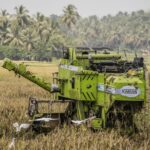
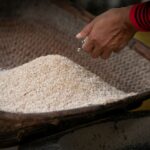
in the heart of kitchens around the world, a silent revolution is taking place. As culinary enthusiasts embark on their gastronomic adventures, the humble rice grain is undergoing a transformative journey from field to plate, facilitated by an innovative ally: the mini rice polisher. These compact machines are not just enhancing the quality of home-cooked meals; they are also weaving a fabric of empowerment for local farmers and communities. in “From Grain to Glory,” we explore how these small yet mighty devices are changing the way we interact with one of the world’s staple foods, blending tradition with modern efficiency.Join us as we unravel the intricate relationship between technology,agriculture,and the art of cooking,revealing how a simple grain can become a source of pride and prosperity for many.
Transforming lives: The Unexpected Journey of Mini Rice Polishers in Rural Communities
In rural communities across asia,the introduction of mini rice polishers has sparked a profound conversion in how families process rice. Consider the story of Amina, a farmer in a small village in India. For years, she used conventional methods to mill her family’s rice, often spending hours laboring under the hot sun, manually grinding the grains to remove the husk.It was tedious work that cut into time she could have spent with her children or tending to her small vegetable garden. when the co-op she belonged to began offering affordable mini rice polishers, Amina hesitated at first, unsure about the machine’s complexity and the initial cost. But, after witnessing her neighbor’s triumphant transition to using the polisher, she took the plunge and invested in one for her home.That decision changed everything—she now spends only a fraction of the time polishing rice, freeing her to focus on her family’s health and education.
The impact of this shift extends beyond just time saved; it has dramatically altered local economies as well. many families, like Amina’s, have found they can now sell polished rice at local markets for a higher price than before, boosting their income. This income isn’t just a bonus; it is a lifeline. As seen in a small community in Vietnam, families have pooled their resources to purchase multiple mini rice polishers, allowing them to start cooperative businesses that not only improve their livelihoods but also foster a spirit of unity and collaboration among them. Yet, the transition hasn’t come without challenges. some older community members initially resisted the change, clinging to traditional methods and skeptical of technology. Though, as Amina shared her success story, some began to see the potential benefits.The journey illustrates a powerful contrast between fear of the unknown and the success that can come from embracing innovation; it’s a reminder that transformation often starts with a single decision to try something new.

A Taste of Tradition: Balancing Heritage and Innovation in Everyday Cooking
As families gather around the dinner table, a profound connection between heritage and innovation often emerges, especially when it comes to cooking with rice. Take, as an example, Maria, a young mother in a bustling town who cherishes the recipes passed down from her grandmother. Every Sunday, she makes her family’s traditional biryani, infusing the dish with love and history.Though,when she first began cooking,she struggled with the texture of the rice. It was always either too sticky or too dry, failing to mimic her grandmother’s perfect outcome. It was during a visit to the local market that Maria discovered a mini rice polisher, a recent innovation aimed at home cooks like her. She decided to invest in it, hoping to reclaim that cherished taste of her childhood.
- Unexpectedly, the mini rice polisher changed everything:
- It polished the grains just right, enhancing the flavor while improving the texture.
- With each successful attempt, Maria found herself blending tradition with modern efficiency.
- Rather of spending hours preparing the rice, she could now focus on perfecting the spicing and marination, freeing her to explore new flavors while still honoring her family’s roots.
Yet, the impact of this kitchen tool extended beyond her family. Maria started sharing her new cooking techniques with her neighbors, empowering others to embrace their culinary heritages with a modern twist. Now, Adam, a local farmer who supplies the rice, was instructed on the best varieties for home polishing, greatly enhancing their quality. The mini rice polisher did not just elevate her cooking; it created a community around shared stories and flavors. It became a bridge connecting the past with the present, encouraging local farmers and families to collaborate, thus enriching the local food landscape while ensuring that heritage maintained its rightful place on the plate.
Breaking Barriers: How local Farmers forge New Paths in Sustainable Rice Production
In the verdant fields of rural communities, local farmers are transforming their practices to embrace sustainable rice production, defying the conventional expectations that often tether them to outdated methods. Take the story of Anjali, a farmer from the outskirts of Varanasi. Frustrated by dwindling soil health and rising production costs, she made the bold decision to shift her family farm from conventional rice cultivation to organic practices. By investing in green manure and crop rotation,Anjali not only rejuvenated her fields but also saw her yields improve. This change wasn’t easy; she faced skepticism from neighbors and initial financial strain. Though, with persistence and the support of local cooperative programs, her harvest became a beacon of success, illustrating how embracing sustainability can lead to both ecologically and economically beneficial outcomes.
Similarly, in a small cooperative in Punjab, farmers collaborated to introduce water-saving techniques, opting for System of Rice Intensification (SRI). despite initial doubts about the method’s efficacy, they decided to replace the traditional flooded field approach with a system that used significantly less water while enhancing productivity. Each farmer shared their experiences during group meetings, facing decisions about whether to stick to the tried and true methods or innovate. The results were astonishing: with reduced resource consumption, their profit margins widened and their climate resilience improved. These efforts illustrate not only a powerful shift in local agriculture but also serve as a compelling case for community-based initiatives in fostering sustainable practices. Farmers like Anjali and her peers have started to build a new narrative—one where innovation meets tradition, ultimately breaking the barriers that once hindered their prosperity.
From kitchen to Community: The Ripple Effect of Empowered Home Cooks on local Economies
In the heart of small towns across the country, home cooks are no longer just preparing meals; they’re weaving the fabric of their local economies.When Anna, a mother of three from a rural community, decided to purchase a mini rice polisher, she expected it to make her kitchen more efficient. Instead, it became a catalyst for change. As she began to prepare healthier meals using freshly polished rice, her family and neighbors took notice. Soon, Anna was hosting cooking classes in her home, sharing recipes that highlighted locally sourced ingredients. Not only did her income increase, but she also nurtured a budding community that valued home cooking and supported nearby farmers. In just a few months, the ripple effect resulted in local farmers reporting a 25% increase in rice sales, thanks to the heightened demand from food enthusiasts eager to taste fresher grains.
Such stories are unfolding in kitchens all over the country. Take Miguel, who runs a small cafe that had been struggling to attract customers. After he invested in a mini rice polisher, he started offering unique dishes featuring locally grown rice, like savory rice bowls and aromatic risottos. To his surprise, these new menu items resonated deeply with his community, leading to a full house on Tuesday nights—once the slowest time of the week. Customers began engaging more with local producers, leading to partnerships that benefitted everyone involved. As more cafes and families embraced this practice,a newfound enthusiasm for local flavors sprang to life.Even local farmers, like sofia, found renewed hope as they connected directly with consumers hungry for the quality she could provide, creating a sustainable ecosystem that supported everyone’s growth. This dynamic shift exemplifies how empowered home cooks can breathe new life into their communities, ultimately turning the simple act of cooking into a powerful force for economic revitalization.
In Summary
As we reflect on the transformative journey of rice—from its humble origins in the field to the heart of our kitchens—we begin to appreciate the profound impact that technology can have on traditional practices. Mini rice polishers, with their ability to enhance both the quality of rice and the livelihoods of local farmers, are not just tools; they are symbols of innovation and empowerment. by bridging the gap between agricultural production and home cooking, they are redefining our culinary experiences while supporting the very communities that nurture our food.
In a world increasingly focused on sustainability and local sourcing,embracing these compact machines means honoring the labor of farmers and elevating our meals with fresh,nutritious,and perfectly polished rice. as we move forward in our culinary adventures, let us celebrate the intersection of tradition and modernity, and remember that every bowl of rice we share is a testament to the hard work of those who cultivate it and the innovations that make it accessible. Together, we can savor the journey from grain to glory—one meal at a time.