From Grain to Gleam: The Journey of a Rice Polisher adn the Hidden Stories Behind Every Shine
In the heart of bustling markets and quiet kitchens alike, a transformation occurs that is both exquisite and often overlooked. Rice, a staple for billions around the globe, begins its journey as a humble grain, unassuming and rough around the edges. Yet, through a meticulous process known as polishing, this unrefined seed undergoes an remarkable metamorphosis, emerging as a gleaming symbol of nourishment and sustenance. But this transformation is not merely mechanical; it is imbued with a tapestry of stories, traditions, and histories that speak to both the hands that work the machinery and the cultures that cherish the grain. In “From Grain to Gleam,” we delve into the engaging world of rice polishing — exploring the craftsmanship behind it, the community bonds it fosters, and the untold narratives etched into every polished kernel. Join us as we peel back the layers of gloss to reveal the rich heritage and labor that contribute to the shine on your plate.

The Artistry of Tradition: Crafting Polished Perfection in Every Grain
The journey of rice polishing is as much about artistry as it is indeed about the meticulousness of the craft. In the small, sun-drenched village of Koshihikari, a local rice miller named Akira often reflects on the delicate balance that showcases his product’s true potential. For Akira, each grain of rice is not just a staple food; it is indeed a personal story woven into the fabric of tradition and community. As he stands in front of the polishing machine, he recalls his grandfather’s wisdom: “A well-polished rice is like a finished work of art—each reflective surface reveals the care taken with every step.” Akira understands that achieving that polished perfection is not just about technical skill; it’s about the rhythm of the process, the feel of the grains, and the delicate play of time and pressure over the polished surface that transforms the rice into stunning, gleaming grains.
As Akira begins the polishing process, he faces a pivotal decision: how much rice to polish at once. Too much, and the machine may generate excess heat, leading to a loss of quality; too little, and the process becomes inefficient. This balancing act embodies the lessons learned through trial and error over many seasons. Akira reflects on a moment when he over-polished a batch—expecting the rice to shine brightly as usual,he was surprised to find the texture compromised and flavor diminished.In those moments, he learned that less can indeed be more. He carefully sets his machine for a smaller batch, achieving a clean, lustrous finish without sacrificing flavor or nutrition. It’s this intricate dance of expectation versus reality, polished by years of tradition, that fuels his dedication, creating moments of joy for families who gather around their tables, sharing meals made with rice that has been treated with the utmost respect and artistry.
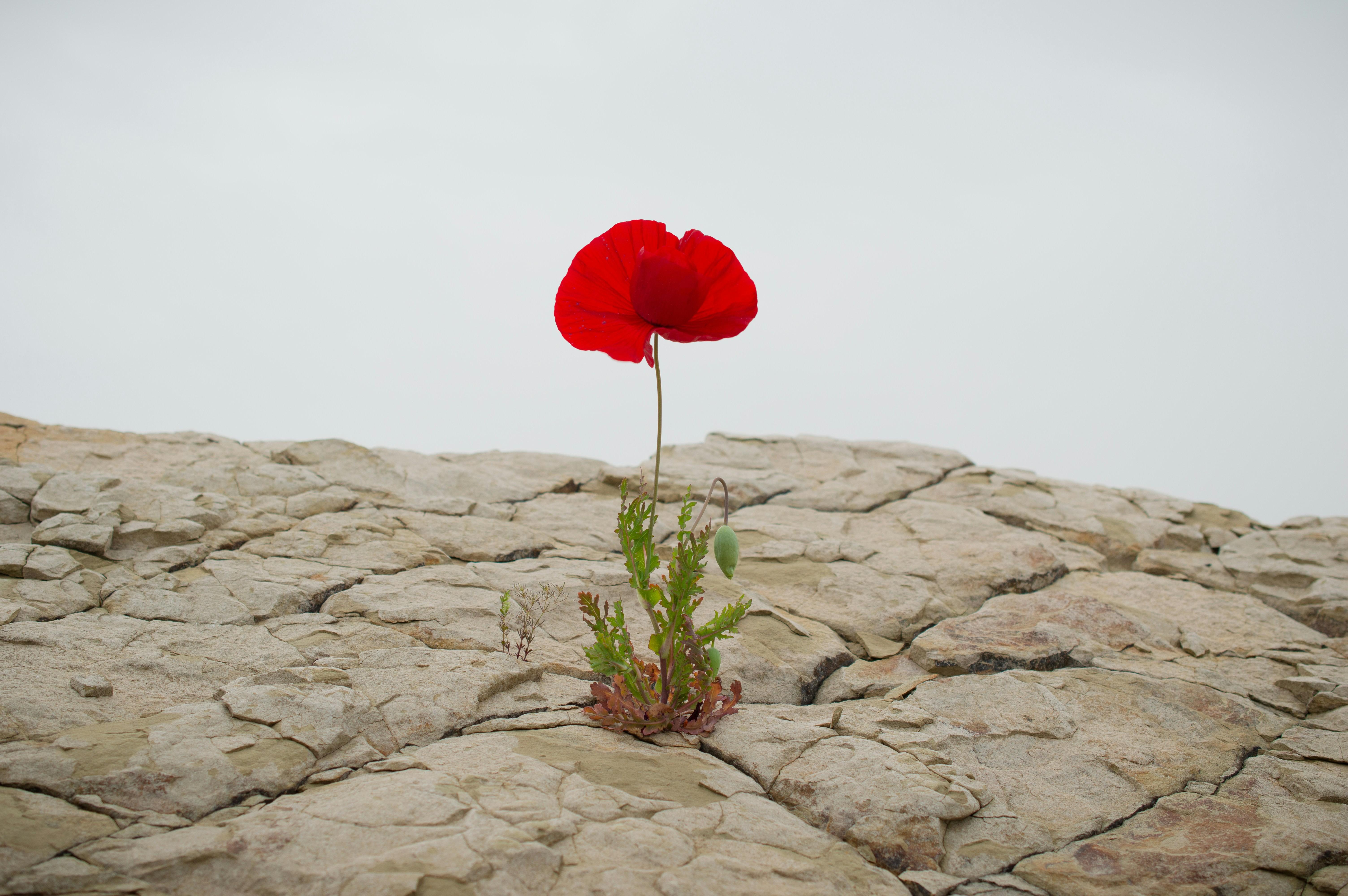
Resilience in reflection: Overcoming challenges in the Milling Journey
In the world of rice polishing, every grain carries with it a story, laden with the challenges faced along the way. One such story is that of a small family-owned mill in the heart of rural Thailand. the owner, somchai, had always envisioned a thriving business, turning rice from local farmers into premium polished grains. However, his journey was laden with obstacles—unexpected machinery breakdowns, fluctuating market prices, and the fierce competition from larger mills. In one pivotal moment, Somchai had to decide whether to invest in repairing his aging polisher or purchase a new model that promised greater efficiency but was a financial leap of faith. He chose the latter, driven by the belief that modernization would not only improve quality but also ensure sustainability in his operations. Months later, as the new machine hummed effortlessly through the processing line, the boost in productivity allowed Somchai to expand his clientele, eventually gaining traction in international markets. This decision, born from necessity, transformed his business, underscoring the importance of resilience in the face of uncertainty.
However, not all moments were triumphant. There were times when the rice came out with an undesirable finish, disappointing both Somchai and his customers. A local restaurateur once returned a shipment,emphasizing that the sheen wasn’t what they expected from his brand. This setback could have been devastating, but instead, it prompted Somchai to foster a relationship with his workers, inviting their feedback and insights to improve the polishing process. Together, they trialed different techniques and even tested local polishing agents, learning through failed attempts while forging a stronger team dynamic. This experience taught Somchai that resilience doesn’t just come from facing challenges alone; it often thrives in collaboration.As he reflected on these bumps in the road, he recognized that true strength lies not in avoiding mistakes but in learning and adapting to them, turning each challenge into an possibility for growth.
Voices from the Mill: Personal Tales Behind the Polished Rice
In the cluttered corners of the rice mill, amidst the hum of machines and the soft swirling of grains, countless stories unfold, each resembling the grains that pass through the polishing processes. Take, for instance, the tale of Maria, a veteran worker who has spent over twenty years in the mill. Her hands, rough from years of labor, have shaped not just rice but the lives of her family. Every morning, Maria reports to work with the same enthusiasm she had when she first began. “I remember the deep brown of unpolished rice, and I thought, ‘I will make these grains shine.’” Her reflection reminded her of her father, a farmer, who taught her the importance of diligently caring for crops. Now, as she oversees the polishing machines, every time she checks the shine of the rice, it evokes memories of her childhood—of the meals prepared in her grandmother’s kitchen, where a gleaming bowl of rice graced the table, symbolizing abundance and love.
Another poignant story comes from Samir, a newcomer in the polishing department. His journey began far away,in a village where rice cultivation was a way of life. Moving to the city for better opportunities, he faced what he called a “decisional crossroad.” “Should I pursue my passion for cooking or take this job at the mill?” he mused. Ultimately, the lure of financial stability swayed him. As he acclimated to the fast-paced habitat, he discovered the labor behind the polished grains reminded him of his family’s dedication to farming. Each polished kernel resonated with the time and effort it took for farmers to grow them. Samir found unexpected joy in the transformation of rice—not merely as a product but as a connection to his roots and a way to honor his family’s legacy. Beneath the gleam of polished rice lies a reservoir of hard work, sacrifice, and heartfelt stories—each contributing to a narrative broader than mere commerce.
The Dazzling Contrast: From Humble Fields to Gleaming Bowls of Rice
As the sun rises over the verdant fields of Long Grain Valley, a kaleidoscope of colors awakens the hard work embedded in the soil. Here, farmers stand knee-deep in the mud, their fingers stained with the earthy essence of the grains they cultivate. It’s a season of anticipation, where every droplet of rain and ray of sunshine carries the weight of hopes and dreams. For this community, rice farming is not just a profession; it’s a heritage that binds generations. As the grains begin to ripple in the gentle breeze, little do they know that each kernel, once harvested, shall undergo a journey that transforms it from a simple grain into a culinary delight. This transition is not just physical; it’s a testament to the grit and perseverance of those who tend to the fields, contrasting sharply with the glamorous bowls of polished rice that grace dining tables far and wide.
After weeks of labor, the harvest is gathered, and the grains are sent to local mills where they will be polished and packaged. Here, the process shifts from the rustic charm of the fields to a modern operation buzzing with machinery, each piece meticulously designed to enhance the rice’s appearance and taste. Decisions made here are frequently enough crucial. Should the rice be lightly polished, preserving some of its natural nutrients, or should it be polished to a gleaming white, appealing to consumer expectations? The latter choice could increase profits but at the cost of essential vitamins and fiber. In this small decision lies a greater lesson about balance—between the desire for aesthetic appeal and the nutritional value that comes from embracing the grain’s humble origins. Ultimately, the gleaming bowls on our tables are filled with stories of labor, heartache, and respect for tradition, serving not only as a meal but as a reflection of the contrasting worlds of humble fields and polished perfection.
In Retrospect
As we conclude our exploration of “from Grain to Gleam,” we reflect on the intricate journey that each rice grain undertakes, transformed by the skilled hands of the rice polisher. It is a journey steeped in tradition,woven with the stories of farmers who cultivate the fields,millers who refine the grains,and artisans who breathe life into the shimmer that draws us in.
Every shine carries with it a narrative—of resilience, of heritage, and of the delicate balance between nature and craftsmanship. The humble rice grain,in its polished form,stands as a testament to the generations of labor,love,and unyielding dedication that have shaped its destiny. As you savor each dish, take a moment to appreciate the hidden tales that accompany every gleaming morsel.
In our fast-paced world, let us not forget the beauty of slow craftsmanship that nurtures not just our bodies, but also our connections to cultures and communities around the globe. So the next time you see rice on your plate, remember: each grain shines as a reflection of its journey—a story worth cherishing and celebrating.