
In the quiet hum of rice mills around the world, a complex interplay of tradition and technology unfolds—a story that stretches far beyond the grain itself. Rice, a staple food for over half the global population, has undergone a remarkable journey from field to fork. Yet, as we delve into the intricate world of modern rice processing, we uncover hidden costs that ripple through economies, ecosystems, and communities. Innovations have emerged to address these challenges, yet they come with their own set of implications. In this exploration of “Beyond the Grain,” we will examine the multilayered processes that define contemporary rice production,shedding light on both the advancements that promise sustainability and the considerable consequences that frequently enough remain in the shadows. Join us as we navigate this intricate landscape, revealing the unseen factors that shape one of humanity’s most essential crops.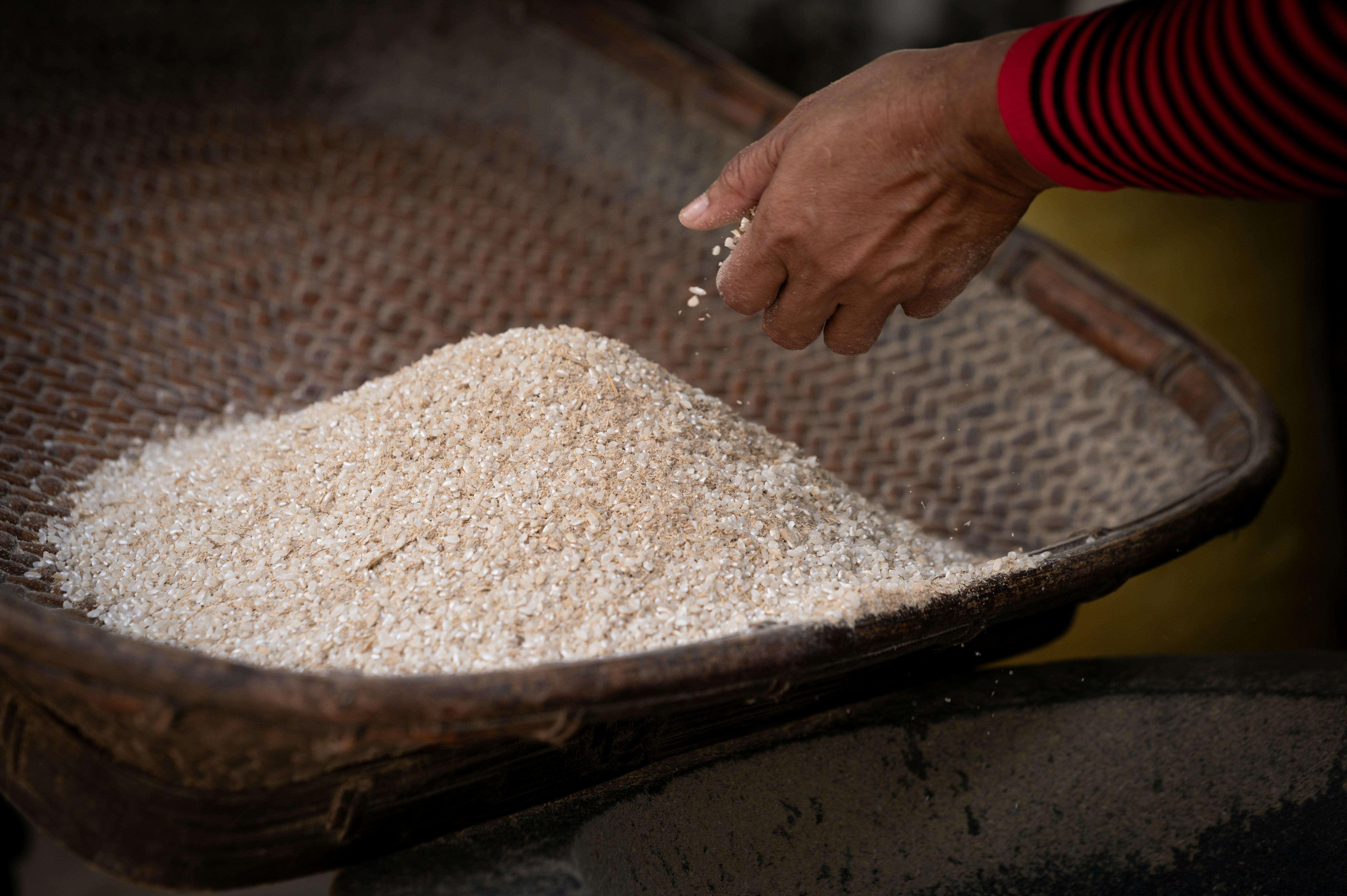
Navigating the Shadows of Rice Processing: Dissecting Environmental and Economic Consequences
The rice processing sector is frequently enough hailed for its economic contributions, especially in regions where rice is a staple food. However,beneath this veneer of prosperity lies a complex interplay of environmental and economic consequences that merit closer scrutiny. The commonly held belief that increased rice production equates to enhanced economic stability fails to consider the ecological toll of such practices. As an example, traditional processing methods frequently rely on significant water usage, leading to depletion of local water sources. Additionally, the reliance on chemical fertilizers and pesticides exacerbates soil degradation and contaminates nearby waterways, raising questions about long-term sustainability.
Moreover, the trade-offs between economic gains and environmental preservation are not merely theoretical; they manifest in tangible ways that affect both producers and consumers. To find a balance,stakeholders in the rice value chain must reevaluate their practices and adopt a more holistic viewpoint. Consider these nuanced recommendations:
- Investment in Eco-Kind Technologies: Embrace innovations such as solar-powered milling or biotechnological advancements that reduce chemical dependence.
- Adoption of Water-Saving Techniques: Implementing better irrigation methods like Alternate Wetting and Drying (AWD) can mitigate water waste while maintaining yields.
- Educational Outreach: Encourage farmers to prioritize agroecological practices that enhance soil health and reduce dependence on harmful inputs.
These strategies not only aim to minimize environmental damage but also create long-term economic benefits by increasing resilience against climate-related disruptions. Therefore, it becomes essential to challenge the conventional narrative that prioritizes immediate economic gains over lasting practices. The future of rice processing must pivot towards a paradigm that recognizes the intrinsic value of environmental stewardship, ensuring that both economies and ecosystems flourish in tandem.

Unmasking the Hype: Debunking Common Myths Surrounding Rice Industry Innovations
- Myth: Innovations in the rice industry primarily benefit large corporations. While it’s true that major players frequently enough lead technological advancements, numerous innovations target smallholder farmers—those who constitute 80% of the world’s rice producers. Solutions like mobile applications for market access and precision farming technologies have empowered these farmers to enhance yield and reduce losses. However, the accessibility and affordability of such innovations remain crucial. Companies must prioritize inclusive design to bridge the technology gap and not only cater to the top tier of the market. Balancing profit with social impact should be the new mantra for industry players.
- Myth: All rice milling technologies are sustainable. the perception that all modern milling processes are environmentally friendly is misleading. In reality, many traditional milling practices yield higher waste and lower efficiency, while newer technologies, such as eco-friendly husking machines, offer better resource management. Though, choosing the right technology frequently enough comes down to a trade-off between immediate investment costs and long-term benefits. Rice processors should conduct a life cycle assessment to evaluate whether the perceived efficiency justifies the initial capital outlay. This nuanced approach can help mitigate potential environmental impacts while optimizing operational costs.
Shifting Paradigms: Exploring Sustainable Alternatives to Conventional Rice Processing Techniques
As the urgent call for sustainability permeates agricultural practices, conventional rice processing methods are increasingly scrutinized for their environmental impact. The common approach, which frequently enough relies on high-energy consumption, substantial water use, and significant greenhouse gas emissions, necessitates a deep re-evaluation. Alternatives such as parboiling, which utilizes less energy and retains more nutrients, present viable options. This method not only shortens cooking times but also reduces waste,challenging the assumption that efficiency can only be achieved through high-tech,energy-intensive processes. However, the shift towards parboiling raises questions about regional adaptability—while it may suit specific agricultural contexts, it may not integrate seamlessly with established practices universally, highlighting the necessity for localized assessments before widespread adoption.
Moreover, emerging innovations tackle rice processing challenges head-on. Techniques like dry milling and solar drying show promising results in lowering emissions related to traditional milling systems. Dry milling uses less water than wet milling, curbing water overuse—a growing concern in many rice-growing regions. Meanwhile, solar drying necessitates an upfront investment but dramatically reduces reliance on fossil-fuel-powered drying methods, offering a compelling case for cost-effectiveness in the long term. Engaging stakeholders through workshops and training sessions can facilitate knowledge transfer and investment in these sustainable alternatives,though market accessibility remains a pivotal concern. Balancing short-term economic pressures with the long-range benefits of sustainable methods will ultimately decide whether these alternatives are embraced fully or remain sidelined in favor of outdated practices. Consider the examples below for a clearer comparison of these approaches:
| Processing Method | Energy Use | Nutrient Retention | Environmental Impact |
|---|---|---|---|
| Conventional Milling | High | Low | High emissions |
| Parboiling | Moderate | High | Lower emissions |
| Dry Milling | Low | Moderate | Minimal impact |
| Solar Drying | Very Low | high | Eco-friendly |
The Price Beneath the Surface: A Critical Examination of Social and Cultural Impacts in Rice Production
The landscape of rice production is not merely a question of agricultural efficiency or technological advancement; it is deeply interwoven with the social and cultural fabric of the communities involved. In many rice-producing countries, the most vulnerable populations—often smallholder farmers—experience the brunt of these dynamics. While innovations such as hybrid seeds and modern irrigation systems offer promises of increased yields, they also introduce a set of trade-offs that often go unexamined. For instance, the shift toward high-yield varieties has led to a dependency on chemical fertilizers and pesticides, creating long-term soil degradation and health risks that disproportionately affect the very farmers who adopt these practices under the pretense of improved productivity. Decisions made in boardrooms, influenced by market demands and global food security discourses, must consider the human costs embedded in their execution.
Moreover,the cultural implications of rice production are often sidelined in favor of quantifiable outputs. Rice is not just a staple food; it carries cultural meaning in many societies, shaping customs, rituals, and community identities. The push for industrialized practices threatens traditional growing methods, which rely on indigenous knowledge and ecological balance. To navigate the complexities inherent in rice production, it is essential to foster a dialog that prioritizes sustainable practices, incorporating agroecological principles that respect local traditions while balancing the need for modernization. This could involve collaborations between agricultural scientists and local farmers to create frameworks that not only enhance productivity but also preserve cultural heritage. Ultimately, a paradigm that values both productivity and cultural integrity will illuminate the path toward a more equitable rice production system.
The Way Forward
As we conclude our exploration of the intricate world of rice processing, it’s evident that the journey from paddy to plate is fraught with both unseen costs and groundbreaking innovations. While rice remains a staple for billions, the mechanisms of its production and transformation are anything but simple. The hidden costs—environmental, economic, and social—remind us of the delicate balance we must strike between feeding our growing populations and preserving the planet. Yet, amid the challenges lie remarkable advancements in technology and sustainable practices that promise to reshape the future of this vital grain.
As we look beyond the grain, we must continue to support innovations that enhance efficiency while minimizing harm. Our choices as consumers and advocates can drive change, ensuring that we cherish not just the nourishment rice provides, but the lives and environments intertwined with its journey. The next time you savor a bowl of rice, remember that behind each grain lies a story of complexity and innovation—one that calls for greater awareness and thoughtful action.
In a world that demands both progress and preservation, let us celebrate the potential of rice processing to adapt and thrive, shaping a sustainable future for generations to come.



