
In the heart of agricultural innovation lies a transformative approach to rice production: the fully automatic rice mill plant. as global demand for rice continues to surge, understanding how to select and implement this complex machinery becomes not just a boon, but a necessity for farmers and entrepreneurs alike. The journey toward maximizing yield while minimizing waste begins with the right machinery—a decision that can drastically alter the efficiency of operations. In this article, we will delve into the essential factors to consider when choosing a fully automatic rice mill plant, exploring how cutting-edge technology and strategic implementation can unlock unparalleled efficiency in rice processing. By harnessing the potential of thes automated systems, stakeholders can not only meet the ever-growing market demands but also foster lasting practices that benefit both their bottom line and the environment. Join us as we navigate the crucial steps toward a more productive and waste-conscious rice milling future.
Evaluating Key Features for Optimal Performance in Automatic Rice Milling Solutions
When ,focus on machinery specifications that directly impact efficiency and output quality. Capacity is paramount; assess the mill’s processing capability. For instance, a mill with a capacity of 1 ton per hour may suit small operations, while larger enterprises ofen require models capable of processing 5 tons or more.Additionally,examine energy efficiency ratings,as electricity costs can significantly affect overall profitability. Look for machinery with features like variable-speed drives that can adjust the speed based on the current processing load, thereby minimizing power consumption and wear on components.
Ensure the milling plant is equipped with smart monitoring systems that provide real-time data on the milling process. Features such as moisture content measurement and product quality assessment systems can help prevent issues like over-polishing or under-milling, which commonly led to increased waste. Don’t overlook the importance of maintenance ease; models that allow for swift access to critical components reduce downtime. Always query the vendor about common issues reported by users. Opt for suppliers that provide comprehensive service agreements and readily available spare parts, as seen in brands like Satake or Buhler, to facilitate uninterrupted operations. In evaluating these features, consider a cost-benefit analysis to prioritize investments that yield the highest returns.
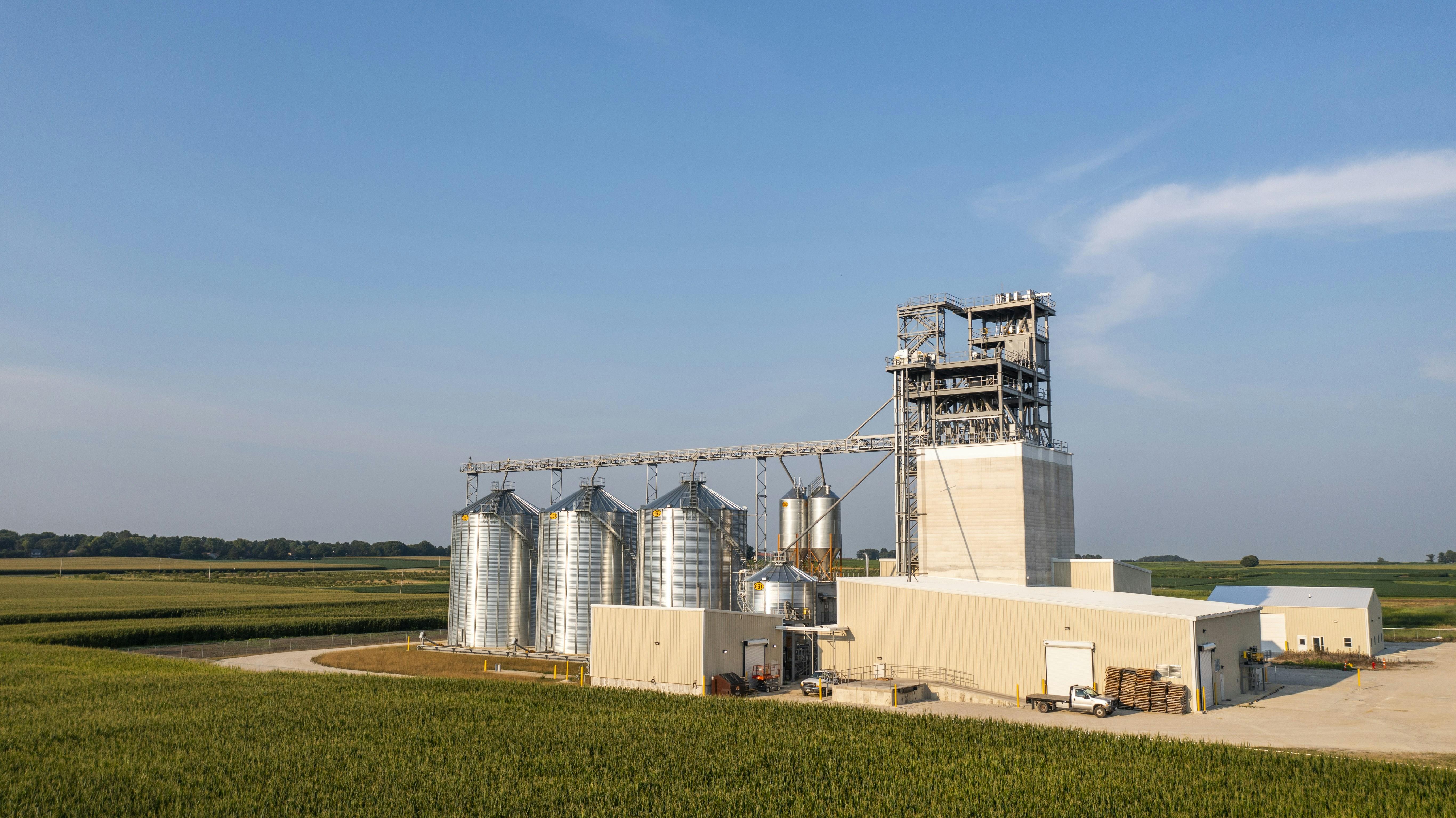
Navigating Common Pitfalls: Essential Considerations for a Smart Investment in Rice Mill Technology
navigating the landscape of rice mill technology requires an astute understanding of both the equipment and market needs. A common pitfall is overlooking the importance of energy efficiency in the machinery selection process. Energy costs can significantly erode profit margins, so it’s essential to select models that are not only automated but also optimized for low power consumption. Before making a purchase, evaluate machines for their energy efficiency ratings and consider how frequently enough your facility runs at peak capacity. It’s worthwhile to compare energy costs across diffrent manufacturers. As a notable example, choosing a model that offers variable speed drives can provide an additional layer of efficiency, adapting energy use to demand rather than operating at maximum capacity constantly.
Another crucial aspect to consider is the machine’s scalability and service support. Many investors fail to account for future growth when selecting a rice mill. it’s advisable to work only with suppliers who offer comprehensive after-sales service, including training for operators and technicians. Check customer reviews or case studies to verify claims of reliability and support. Also, consider using a checklist to evaluate potential vendors:
- Availability of spare parts.
- Response time for service calls.
- Presence of on-site training programs.
- Upgrade and expansion options.
By addressing these practical considerations upfront, you can mitigate risks and ensure that your investment in rice milling technology aligns effectively with your operational goals.
Best Practices in Implementation: strategies for Seamless Integration of Automatic Rice Milling Systems
To ensure a prosperous implementation of a fully automatic rice milling system, focus on meticulous planning and thorough assessment of your operational needs. start by conducting a comprehensive feasibility study that includes checking the following:
- Production Capacity: Analyze your current rice processing volume and future growth forecasts. Make sure your chosen system can handle these demands.
- Space Requirements: Evaluate the layout of your facility to determine the space needed for new machinery, ensuring there’s room for both operation and maintenance.
- Budget Considerations: Calculate not just the initial investment but also long-term operational costs, including energy consumption and spare part availability.
- Supplier reliability: Research and select suppliers with a proven track record in delivering durable and efficient machinery.Verify their after-sales support and training programs.
Once you’ve ensured the foundational aspects are in order, focus on establishing a robust integration plan. It often goes wrong when operators are not adequately trained,so prioritize comprehensive training sessions on the new machinery. Consider implementing the following strategies:
- Phased Implementation: Gradually introduce the new system alongside existing operations rather than a complete overhaul at once. This helps ease the transition.
- Real-time Monitoring: Utilize software that allows for real-time tracking of output and efficiency metrics. This enables swift identification of any underperforming areas.
- Feedback Mechanism: Create channels for operators to provide feedback on equipment performance and suggest improvements based on frontline experience.
- Maintenance Schedule: Develop a routine maintenance plan to uphold efficiency and prevent costly breakdowns.
By aligning these practical strategies with your facility’s unique operational needs, you can effectively integrate an automatic rice milling system, maximizing yield and minimizing waste.
Maximizing Output: Proven Tactics for Enhancing Efficiency and Reducing waste in Rice Production
To maximize output in rice production while enhancing efficiency and reducing waste, start by analyzing the entire production process with a focus on automation integration. implementing a fully automatic rice mill plant requires a comprehensive evaluation of machinery that minimizes handling and transport time. Here are key action points to consider:
- Assess Grain Quality Before Milling: Conduct moisture and quality tests on paddy rice to minimize losses during milling. A moisture meter can help ensure optimal levels, preventing grain breakage.
- Optimize Machine Settings: Calibrate machines according to the specific variety of rice being processed. For instance,adjusting the huller and polisher settings for different grain sizes can significantly reduce losses.
- Regular Maintenance Schedule: Establish a regular maintenance regimen for all machinery to prevent breakdowns and inefficiencies. Utilize a logbook to track maintenance and parts replacement.
- Automate Data tracking: Use IoT solutions to monitor production parameters continuously, ensuring timely adjustments to reduce waste. Sensors can identify bottlenecks and optimize throughput in real-time.
Among common pitfalls, inadequate training of staff on equipment operation can lead to inefficiencies. Make sure operators are well-trained,especially on how to navigate software systems for monitoring processes.Additionally, analyze your waste output using a waste audit checklist that includes:
| Waste Source | Analysis Method | Actionable Solution |
|---|---|---|
| Broken Rice | Production scale analysis | Adjust hulling settings |
| Unused By-products | Process flow review | Develop a recycling plan |
| Cleaning Losses | Equipment efficiency check | Upgrade to efficient separator models |
Implementing these targeted strategies can significantly improve overall productivity in your rice mill operation, leading to enhanced yield and minimized waste.
In Retrospect
In the ever-evolving landscape of agricultural technology, the journey towards unlocking efficiency in rice production is both a challenge and an possibility. By understanding the intricacies of fully automatic rice mill plants,you equip yourself with the tools necessary to not only enhance productivity but also to contribute to sustainable farming practices. As you move forward in choosing and implementing your mill, remember that the process is more than just a transaction; it’s a commitment to innovation, quality, and environmental stewardship.
By applying the insights shared in this article, you can navigate the complexities of selecting the right equipment, tailoring it to your specific needs, and ensuring a smooth integration into your existing operations. The potential benefits—maximized yield and minimized waste—are not just aspirations but achievable realities with careful planning and execution.
As you embark on this transformative journey, embrace the spirit of continuous improvement and adaptability. The future of rice milling is not only about efficiency but also about creating a resilient agricultural ecosystem that enhances livelihoods and meets the growing demands of a dynamic market. With the right resources and mindset,you can unlock the full potential of your rice mill plant and play a pivotal role in shaping a more productive and sustainable agricultural landscape.



