
In the heart of countless meals around the globe lies a staple that has sustained civilizations for millennia: rice. This humble grain, a crucial source of nutrition, is now at the forefront of a technological revolution that promises to reshape not only the way it is harvested but also how it impacts our surroundings. Enter the world of innovative rice processing machines, where cutting-edge advancements meet age-old agricultural practices. As farmers strive for greater efficiency and sustainability in thier operations, these machines are redefining the landscape of rice production. from reducing waste to optimizing energy use, the future of rice farming is not just about the grain itself, but about the transformative possibilities that lie in the methods of its processing. Join us as we explore how these technological innovations are not only enhancing productivity but also paving the way for a more sustainable agricultural ecosystem.
Revolutionizing Tradition: The Dual Edge of Automation in Rice Processing and Its Impact on Rural Livelihoods
As automation penetrates rice processing, it presents both opportunities and challenges for rural communities historically reliant on conventional methods. On one hand, automated rice processing machines significantly enhance efficiency, reducing labor costs and minimizing post-harvest losses. This advancement can lead to increased profit margins for farmers and small-scale processors. Though,it also raises critical questions about the displacement of manual labor. Rural economies heavily depend on seasonal labor, and the shift toward automation can exacerbate unemployment among these vulnerable populations. In this regard, it becomes crucial to balance innovation with social obligation, ensuring that communities are not left behind in the quest for modernization.
To navigate the dual-edged impact of these technologies, it is important to distinguish between scale and sustainability. Smallholder farmers might benefit from adopting modest automation to alleviate drudgery without entirely surrendering traditional practices. Conversely,large agribusinesses might maximize profits through extensive automation,yet risk creating a socioeconomic divide that can destabilize rural neighborhoods. Key recommendations include:
- Investment in Training: Equip local laborers with the skills needed to operate and maintain new technology.
- Hybrid Models: Encourage the advancement of semi-automated systems that require minimal labor while retaining some traditional methods.
- Community Cooperatives: Facilitate collective ownership of processing machines to distribute benefits equitably among local farmers.
Striking this balance can redefine rural livelihoods, fostering an environment where tradition and innovation coexist harmoniously rather than at odds.
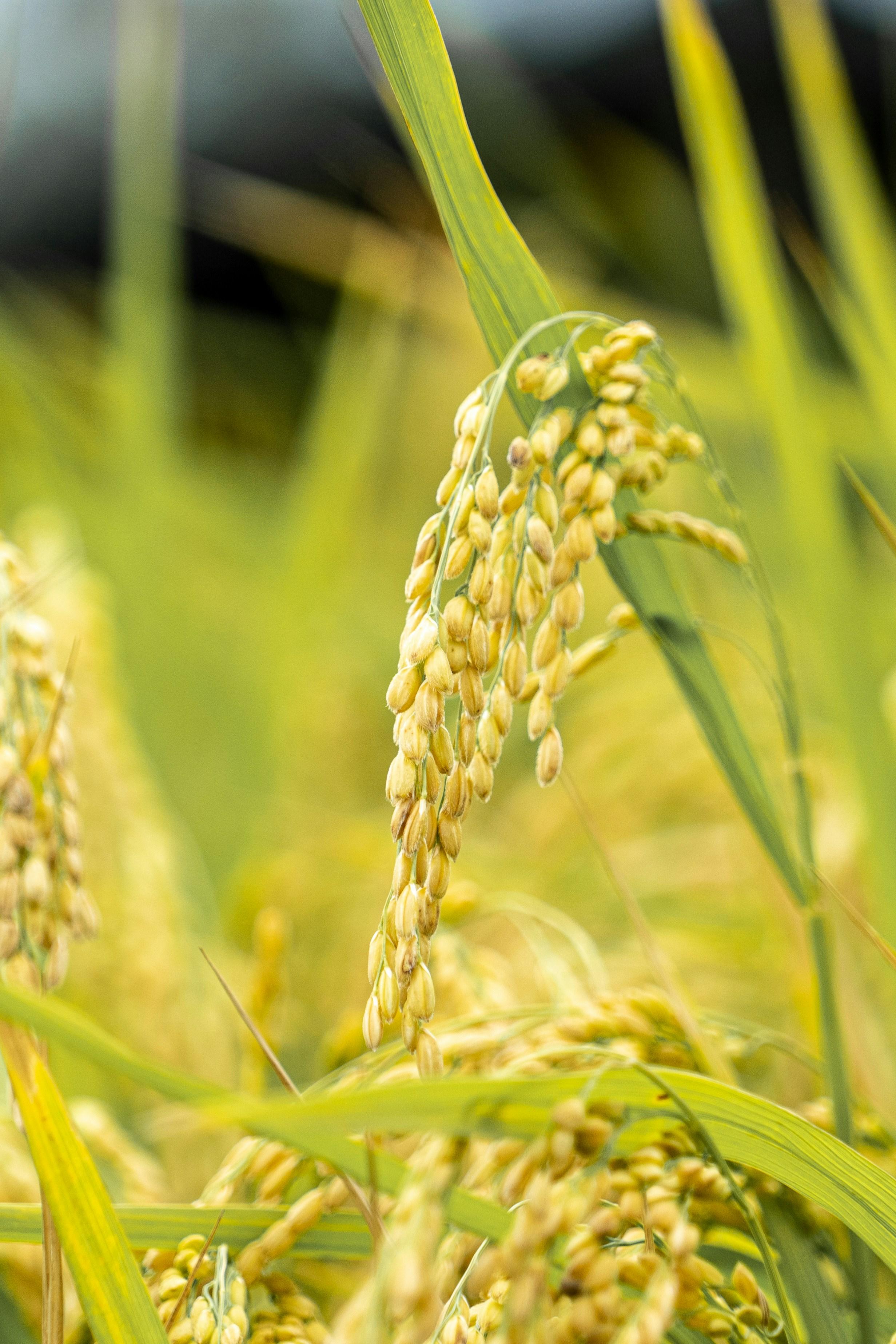
Beneath the Surface: Exploring the Environmental Trade-offs of Advanced Rice Processing Technologies
Advanced rice processing technologies promise to revolutionize efficiency and sustainability, yet these innovations come with a complex array of environmental trade-offs that warrant critical examination. While machines equipped with artificial intelligence and IoT capabilities enhance yield predictability and reduce waste, they can also exacerbate issues such as energy consumption and resource depletion. for instance, the introduction of high-efficiency milling processes can lower grain breakage rates and increase output, yet the significant energy requirements of these processes may lead to a larger carbon footprint. Moreover, the reliance on automated systems often requires substantial investments in infrastructure that, if not managed sustainably, could lead to further ecological degradation through excessive water use and soil compaction. consider the following factors that highlight the nuanced trade-offs associated with these technologies:
- Energy Consumption: Advanced technologies might reduce labor costs but could increase fossil fuel dependency,thus raising greenhouse gas emissions.
- Water Use: Enhanced processing might optimize input levels but could lead to over-extraction from local water sources, affecting neighboring agricultural practices.
- Soil Health: Heavy machinery can compact soil, inhibiting its ability to capture carbon and sustain biodiverse ecosystems, which contradicts sustainability goals.
To navigate these challenges effectively, its crucial to adopt a more holistic approach to technology implementation in rice processing. Stakeholders should prioritize systems that not only focus on efficiency but also seek to minimize ecological footprints.Such as, investing in renewable energy sources to power advanced machines can mitigate fossil fuel impacts, while encouraging standardization of practices across regions could harmonize resource use and nutrient management. Rather than viewing advanced processing technologies as universally beneficial, producers, policymakers, and researchers must engage in a continual assessment of their ecological impacts, allowing for adaptability and innovation without compromising environmental integrity.
Beyond the Hype: Assessing the Real-World Efficacy of Innovative Machinery Against Established Practices
As the agricultural sector increasingly embraces innovative machinery for rice processing, it’s crucial to go beyond the hype and critically assess the real-world efficacy of these technologies compared to established practices. Innovative machines often promise enhanced efficiency, reduced waste, and higher production rates, yet these advantages can be contingent upon various factors, including local conditions, infrastructure capabilities, and operator proficiency. For instance, while advanced milling technologies may boast improved milling percentages and better grain quality, the necessary investment and technical knowlege can pose significant barriers to entry for smallholder farmers. Therefore, it’s essential to weigh the following considerations:
- cost-Benefit Analysis: Innovative machinery typically requires upfront capital investment, where the pay-off needs to be carefully evaluated against current practices.
- Scalability: While a new machine may work wonders for large-scale operations, its effectiveness in smaller settings can vary, necessitating adaptable solutions.
- Training and Maintenance: Complete training programs and ongoing support are critical; without them, the potential benefits of advanced machinery can rapidly diminish.
Moreover, the allure of high-tech solutions can sometimes overshadow the potential benefits of time-tested traditional methods. For example, while new machines can streamline processes, they may inadvertently lead to a loss of local knowledge or traditional practices that have endured for generations. This highlights the importance of finding a balance:
| Aspect | Innovative Machinery | Established Practices |
|---|---|---|
| Efficiency | High potential with advanced features | Proven reliability in familiar settings |
| Cost | higher initial investment | Lower start-up costs |
| Environmental Impact | Can be eco-amiable if properly designed | May utilize low-tech, sustainable practices |
Ultimately, a hybrid approach that combines innovative machinery with established practices could yield the most sustainable outcomes. Farmers should consider a phased implementation strategy—pilot testing new technologies in tandem with traditional methods allows for a controlled assessment of their impact, optimizing resource use and preserving essential local knowledge. This nuanced method not only stabilizes production but also nurtures a resilient agricultural landscape adaptable to future uncertainties.
Navigating the Future: The Strategic Imperatives of Embracing Change in Rice Agriculture Management
Navigating the complexities of modern rice agriculture requires a forward-thinking approach that embraces change while balancing traditional practices with innovative technologies. As the global demand for rice escalates, leveraging advanced rice processing machines becomes not merely an option, but a strategic imperative. Decisions in this space should not just focus on immediate efficiency gains but also consider long-term sustainability and social impact. Key imperatives include:
- Investment in Smart Technologies: Emphasizing data analytics and IoT can optimize resource usage and yield management. Farmers can monitor soil health and moisture content in real-time, allowing for precision irrigation that conserves water.
- Training and Education: Equipping farmers with skills to operate sophisticated machinery ensures that technological benefits are fully realized. Training programs should be designed not only for technical skills but also for effective decision-making.
- Cost-Benefit Analysis: Understanding the trade-offs between initial investments in machinery versus long-term gains in productivity and sustainability can clarify the best paths forward. Not all machines may provide the same return on investment, making selective adoption essential.
Moreover, addressing labor dynamics is critical. With the rise of automation,stakeholders must articulate nuanced strategies to prevent job losses in rural communities while also harnessing the efficiencies offered by new technologies.This could mean:
| Challenge | Strategic Response |
|---|---|
| Job Displacement | Create transition programs to reskill workers for emerging roles in tech and sustainability. |
| Resource Inequities | facilitate access to modern technologies for smallholder farmers through cooperatives or lending programs. |
in sum, navigating the future of rice agriculture hinges on embracing change through strategic, informed choices that consider not just technological advancements, but the holistic needs of agricultural communities. Balancing innovation with community-centric approaches will lead to a more resilient and sustainable agricultural landscape.
To Conclude
As we journey beyond the grain, it becomes clear that the future of rice farming is not just about the fields but also about the machines that cultivate them. The innovative processing technologies emerging today are pioneering a new era of efficiency and sustainability, transforming traditional practices into forward-thinking solutions that align with the demands of a changing world.
These advancements are more than just a testament to human ingenuity; they signify a collective commitment to nurturing the land while meeting the growing global appetite for food security. As farmers, engineers, and entrepreneurs collaborate to harness the power of innovation, we witness the convergence of tradition and technology.
the impact of these rice processing machines reaches far beyond enhanced productivity; they represent a sustainable path forward for agriculture. By embracing change and investing in innovative solutions, we can cultivate a future where every grain of rice contributes not only to our plates but also to a healthier planet. As we continue to explore the intersections of agriculture and technology, the journey ahead promises to be as rich and rewarding as the crops we strive to grow.



