In the ever-evolving landscape of agriculture, a silent revolution is taking place at the forefront of rice processing. Traditionally viewed purely as a staple food source, rice is now emerging as a canvas for innovation, sustainability, and economic growth. “Beyond Grains: How Innovative rice Processing Plants Are Redefining Sustainability and Profitability in Agriculture” delves into the transformative practices reshaping the rice industry. From cutting-edge technologies that enhance resource efficiency to holistic approaches that prioritize environmental stewardship, these modern processing plants are not just reimagining the value of rice; they are redefining the agricultural narrative itself. As we explore the intersection of tradition and technology, this article will uncover how these advancements are not only setting new benchmarks for profitability but also paving the way for a more sustainable future in agriculture. Join us on this journey to discover how the humble grain is becoming a catalyst for change, fostering a harmonious relationship between innovation and ecological responsibility.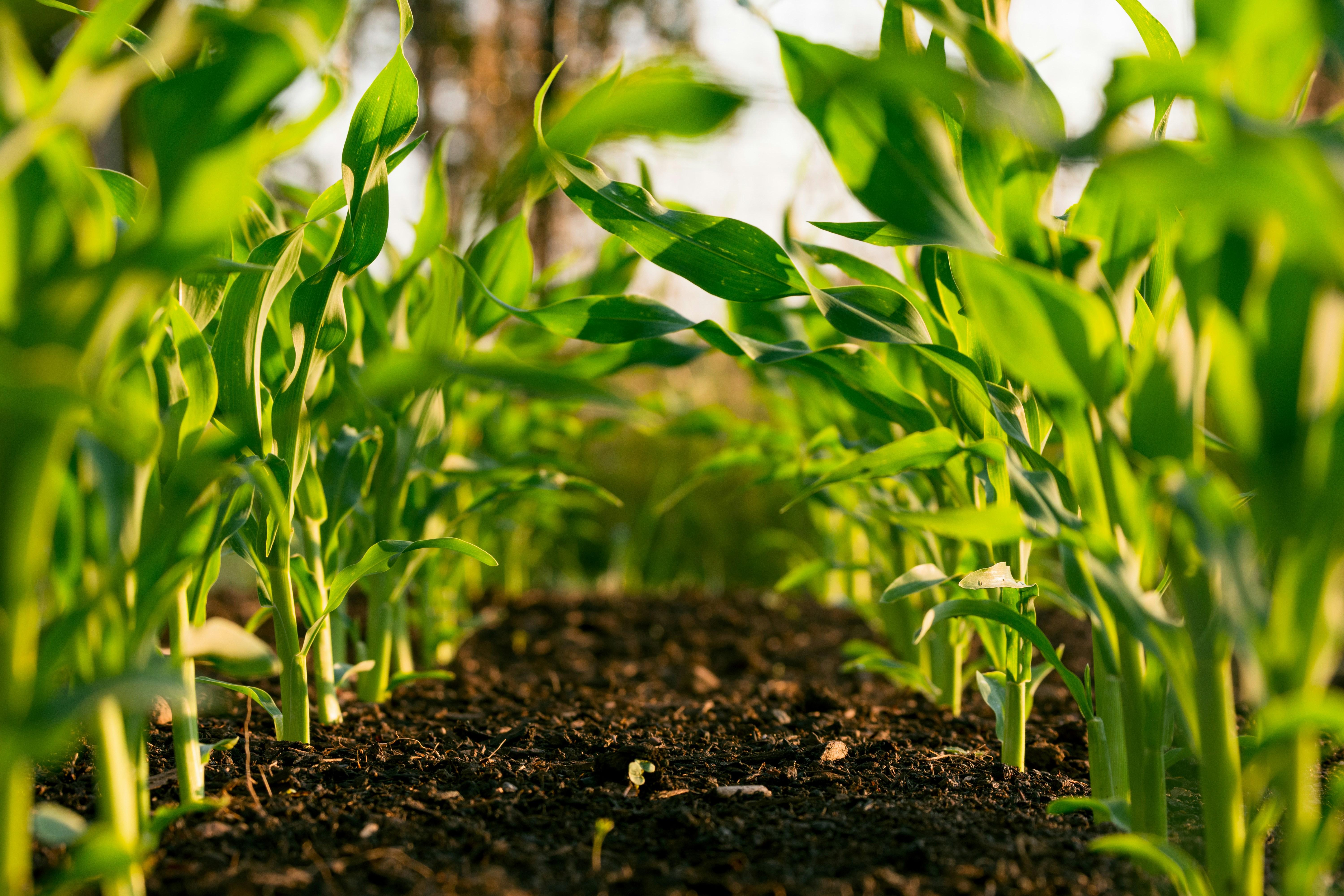
Revolutionizing Agriculture: The Untold Costs and Benefits of Advanced Rice Processing Technologies
The advancement of rice processing technologies is not merely a technical enhancement; it brings both profound opportunities and significant costs that must be weighed carefully. Among the benefits, precision milling techniques can dramatically improve grain quality and nutritional content, allowing producers to capture premium prices. As an example, the latest milling processes can reduce broken rice fractions, enhance flavor, and improve shelf life. Additionally, innovations like parboiling can increase the nutritional value by making vitamins more bioavailable, which can transform rice from a mere staple into a nutritional powerhouse. Though, these benefits come at a cost—namely, the required capital investment for advanced machinery and the need for skilled labor to operate such technology. Farmers must critically assess whether potential profit margins justify these costs, especially in contexts where market volatility may undermine predictability and stability.
moreover, while embracing advanced processing technologies, we must navigate the ecological implications that accompany them. Higher energy consumption and increased water usage in sophisticated processing methods can inadvertently contradict the sustainability goals they aim to achieve.For example, utilizing more water-intensive techniques may led to resource depletion in regions already struggling with water scarcity. This dilemma calls for a targeted, context-specific approach where the deployment of technology aligns with local ecological realities. nuanced recommendations include: implementing energy-efficient practices alongside these technologies, employing renewable sources of energy, and promoting water recycling methods. The trade-off lies in balancing modernization with environmental stewardship; a failure to do so risks undermining the long-term viability of rice farming itself. By prioritizing sustainable innovations that align with both profitability and ecological integrity, we can foster a resilient agricultural landscape.
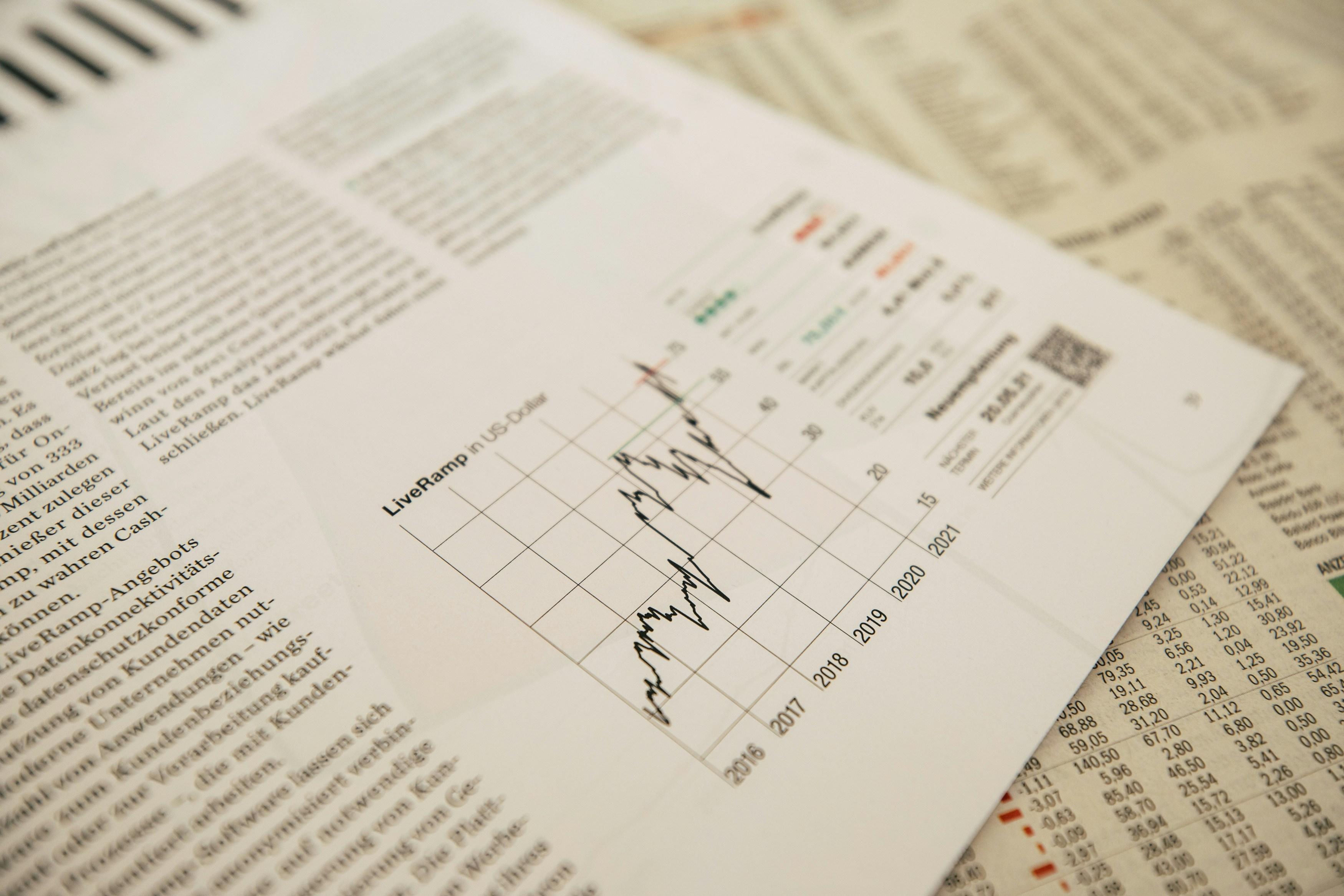
Beyond Profit Margins: Evaluating the Environmental Trade-offs of Sustainable Rice Innovations
The push for sustainable rice production often leads to a simplistic perception that such innovations automatically equate to environmental benefits. though, the reality is more complex. When evaluating the environmental trade-offs of sustainable rice innovations, several key factors must be considered:
- Resource Intensity: New processing methods, while promising greater efficiency, can be resource-intensive in other areas, such as water and energy usage. For instance, bioenergy technologies may reduce reliance on fossil fuels but could increase water consumption and emissions if not carefully managed.
- Biodiversity Impact: Though sustainable practices often aim to reduce pesticides, the shift to monoculture planting can endanger local biodiversity. It is indeed crucial to balance these practices with crop rotation and intercropping strategies to maintain ecosystem health.
- Supply Chain Considerations: Innovations that require extensive supply chains may diminish local environmental benefits. Sourcing eco-friendly materials can inadvertently result in a higher carbon footprint if transportation emissions are not factored into the overall sustainability equation.
To navigate these complexities, stakeholders must be vigilant in creating metrics that accurately measure the environmental impacts alongside profitability. Considerative multilayer assessments of sustainability should include not just direct emissions and soil health, but also how innovations affect local economies and social structures. Implementing a “Triple Bottom line” approach—balancing people, planet, and profit—can guide decision-making in a way that truly benefits all stakeholders involved. A focused recommendation would be to prioritize decentralized processing units that empower local farmers rather then centralized mega-plants, which often overlook the nuanced needs of specific ecosystems. This shift could foster innovation that aligns with both environmental integrity and economic resilience.
The Illusion of Sustainability: Are cutting-Edge Rice Plants Really the Future of Responsible Farming?
The latest innovations in rice processing plants often tout sustainability as their chief competitive advantage.However, this narrative of an eco-friendly future deserves a critical examination. Cutting-edge technologies may optimize yield and reduce water usage, yet they frequently obscure the broader environmental costs associated with their implementation. as a notable example, while modern rice plants can re-engineer input efficiency, they may also demand significant energy resources for their high-tech operations. This brings forth key considerations for farmers and stakeholders:
- Resource Allocation: Are resources being better utilized, or merely shifted? The ecological footprint of construction and maintenance may offset the initial promises of sustainability.
- Long-Term Viability: Will these cutting-edge methods remain sustainable as market demands shift? The reliance on technology can create a fragile ecosystem where natural farming practices are overshadowed.
Moreover, the allure of technological solutions engenders a perilous assumption: that innovation alone can resolve deeply ingrained agricultural issues. Responsible farming cannot solely hinge on advanced machinery; it necessitates a holistic understanding of ecosystem dynamics and community engagement. Farmers must weigh the benefits of state-of-the-art processing against the potential loss of biodiversity and soil health. Emerging evidence suggests a balanced approach—integrating smart technology while nurturing traditional farming methods—could yield more resilient agricultural systems. Thus, stakeholders should advocate for policies that not only embrace innovation but also preserve the intricate web of agricultural life that sustains both the environment and local economies.
Rethinking Efficiency: How Adaptive Strategies in Rice Processing Can Shape the Next Agricultural Paradigm
In the rapidly evolving landscape of agriculture, traditional efficiency models in rice processing are showing signs of obsolescence.As the sector grapples with climate change, resource scarcity, and shifting consumer preferences, there is a pressing need to shift from uniform, mechanistic processes to more adaptable strategies that align with contemporary challenges. this involves integrating advanced technologies, such as machine learning and precision agriculture tools, to create a responsive supply chain. Rice processing plants can enhance efficiency not merely through volume but by optimizing quality and minimizing waste, leading to a more sustainable consumption approach. This nuanced viewpoint elevates key dimensions of efficiency beyond mere economics,emphasizing technological flexibility and environmental sustainability as critical interdependencies.
Emphasizing adaptive strategies also necessitates a clear-eyed examination of trade-offs. For instance, while automated systems typically offer cost savings, they can also risk overreliance on technology, potentially ignoring the social implications of agricultural labor dynamics. Thus, a balance must be struck. Investing in human capital, through skills training and stakeholder engagement, can yield dividends in adaptive capacity. Additionally, fostering collaborative networks among farmers, processors, and researchers will provide crucial feedback loops. Consider these selective engagements:
- Investment in sustainable practices can initially raise costs but may lead to long-term profitability through enhanced yield quality.
- Integration of technology must be accompanied by frameworks that assess social impact, countering the notion that efficiency equates exclusively to automation.
- Collaborative models,where data sharing is prioritized,not only bolster resilience but also democratize knowledge,leading to far-reaching benefits across the agricultural ecosystem.
Insights and Conclusions
As we stand at the crossroads of innovation and tradition in agriculture,it is clear that the future of rice processing holds immense promise. these transformative plants are not just redefining the boundaries of sustainability; they are also paving new pathways for profitability that can benefit farmers, communities, and our planet as a whole. By embracing cutting-edge technologies and forward-thinking practices, the agriculture sector can turn challenges into opportunities, ensuring that rice remains not just a staple, but a beacon of resilience and adaptability in the face of changing environmental conditions.
As we conclude our exploration into this dynamic interplay of sustainability and profitability, it becomes evident that the journey extends beyond grains. It’s a collective endeavor that calls for collaboration, innovation, and a shared commitment to nurturing our agricultural heritage while safeguarding the future. The seeds of change have been sown in these innovative rice processing plants; now,it’s time for the fruits of that labor to flourish,inspiring a new generation of farmers,entrepreneurs,and consumers to cultivate a more sustainable world. Let us nurture this momentum,embracing the possibilities that lie ahead and celebrating the remarkable potential of agriculture to evolve. Together, we can cultivate a future where both people and the planet thrive.