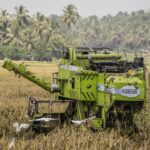
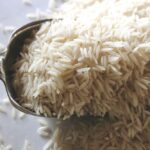
In the heart of rural landscapes, where golden fields sway under the gentle embrace of the sun, rice farmers toil diligently to reap nature’s bounty.As thay cultivate their crops with care adn devotion, the process of harvesting is onyl half of the journey. The ability to efficiently mill that harvest into a market-ready product can mean the difference between profit and loss. In recent years, portable rice milling machines have emerged as transformative tools that empower farmers to maximize their yield and streamline their operations. This article serves as a practical guide, shedding light on the various options available and providing insight into how best to utilize these machines. Whether you are a seasoned farmer seeking to upgrade your equipment or a newcomer exploring your options, the information within will help you harness the full potential of your harvest, ensuring that every grain counts in your pursuit of agricultural success.
Maximize Your Harvest: Choosing the Right Portable Rice Milling Machine for Efficiency and Quality
When selecting a portable rice milling machine, prioritize models that balance efficiency with quality output. Start by evaluating the engine power; typically, a 10-15 HP engine is suitable for small to medium-scale operations, while larger models with 20 HP or more can handle bulk processing. Additionally, confirm the machine’s milling capacity, ideally between 200-600 kg/hour, to ensure it meets your production goals. Here are some crucial factors to assess:
- Durability: Look for machines built with high-quality materials, as these withstand frequent use and harsh conditions. Stainless steel components are often preferable.
- Ease of Use and Maintenance: Choose machines with user-friendly controls and simple disassembly options for cleaning and maintenance. This will save you time and resources in the long run.
- Customer Reviews: Investigate feedback on specific models to understand common issues, such as clogging or uneven milling. Avoid those lacking reported support options.
Additionally, be aware of the common pitfalls in machine selection. Opting for lower-priced, cheaper models can sometimes lead to inefficiencies or lower-quality rice, which can harm profits in the long run. Evaluate processing technologies, such as rubber roller milling versus steel milling, as rubber rollers tend to produce higher quality rice with less broken grain. If possible,attend local demonstrations or exhibitions to see machines in action before purchasing. This hands-on approach can help you assess not only the functionality but also the noise levels and operational ease, making your decision smarter and more informed.
Closing Remarks
maximizing your harvest efficiency is not just a dream but an achievable goal with the right tools and techniques at your disposal. Portable rice milling machines stand at the forefront of this agricultural revolution, offering farmers a flexible and effective solution to enhance their productivity. By understanding the various models available, assessing your specific needs, and implementing best practices, you can elevate not only your yield but also the quality of your output.
As our agricultural landscape continues to evolve, embracing innovation becomes essential. The portable rice milling machine is more than just a piece of equipment; it is a partner in your pursuit of excellence, a bridge to more sustainable practices, and a means to secure your livelihood against the uncertainties of farming.
We hope this guide serves as a valuable resource in your quest for efficiency and success. Armed with the right knowledge and tools, you are now better prepared to tackle the demands of modern agriculture. Here’s to productive harvests and bountiful fields!