In a world where innovation meets tradition, the humble rice grain embarks on a remarkable journey—from field to plate and beyond. “From Grain to Gold” delves into the transformative power of mini rice polisher machines, a technological marvel that is reshaping the agricultural landscape and the livelihoods of countless farmers. These compact machines not only enhance the quality of rice but also unlock new economic opportunities in rural communities. As we explore the intricate process of polishing rice, we’ll uncover how a simple grain can transition from a staple food to a valuable commodity, elevating the socio-economic status of families while preserving cultural heritage. Join us as we examine the pivotal role of these machines in bridging the gap between agricultural practice and market demand,revealing a story of resilience and innovation in the heart of rural economies.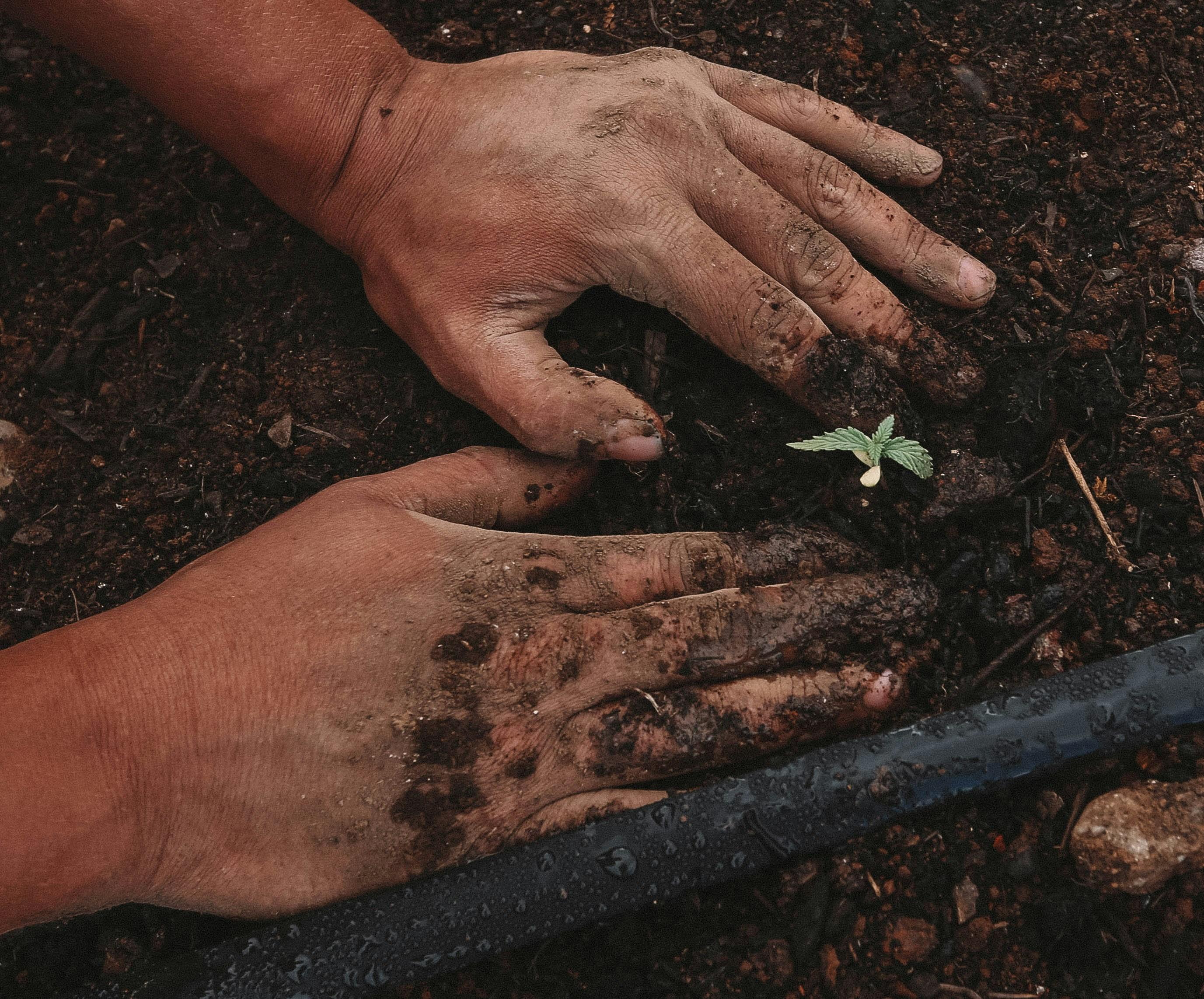
Sowing Seeds of Change: The Journey of smallholder Farmers Embracing Mini Rice Polishers
The journey of smallholder farmers integrating mini rice polishers into their operations is not merely a transition in technology; it’s an unfolding story of resilience and adaptation. Take, as an example, Maya, a farmer from a remote village in India. For years, she relied on customary methods of rice processing, laboring with a mortar and pestle to achieve the desired polish. Despite her hard work, the output was often inconsistent, leading to frustration when she saw neighboring farmers selling their polished grains for higher prices. The pivotal moment for Maya came when a local cooperative organized a demonstration of mini rice polishers. She watched as grains transformed before her eyes—shiny, clean, and ready for the market in a fraction of the time she spent. Encouraged by the potential benefits, Maya and a few neighboring farmers pooled their resources to invest in a mini rice polisher, and thus began a new chapter for their community.
Initially, there were challenges, including apprehension about the financial investment and maintaining the new machinery. However, the results exceeded their expectations. Within months, the polished rice garnered a premium price in markets, considerably increasing their collective income. This experience sparked deeper discussions among farmers about efficiency and quality, with lessons learned around collaboration and shared ownership. A small table of their before and after experiences illustrates this transformative journey:
| Aspect | Before Mini Polisher | After Mini Polisher |
|---|---|---|
| Time to Process 1 Ton | 10 hours | 2 hours |
| Average Sale Price per Kg | $0.90 | $1.20 |
| Income Increase | — | 30% |
In sharing their journey, farmers like Maya have not only transformed their own livelihoods but have also sown the seeds of change in their communities, inspiring others to embrace innovation and share in the benefits of new agricultural technologies.
Harvesting Hurdles: Overcoming Challenges in Rice Processing and Economic Growth
In the world of rice processing, farmers and aggregators often face meaningful challenges that can thwart their economic aspirations. Take, as an example, the story of Rajesh, a smallholder rice farmer in India. After harvesting his crop, he anticipated a lucrative return on his investment. However,he found himself confronted with the harsh reality of outdated milling processes that resulted in low yields and poor-quality grain. Frustration mounted as he watched nearly 20% of his harvest go to waste due to inefficient processing methods. Decisions about investing in newer technology weighed heavily on him, as he grappled with both risks and rewards. Ultimately, rajesh chose to invest in a mini rice polisher machine, a choice that forever altered the trajectory of his farming operations. He transformed low-grade rice into polished grain – appealing to local markets and fetching prices better than he had ever expected.
The contrast between expectation and reality is not just limited to individual farmers; entire communities experience similar hurdles. For instance,in the philippines,a cooperative of rice farmers faced rising production costs due in part to the lack of efficient processing tools. Initially, they pooled resources to buy a larger milling machine, but it proved too cumbersome for their needs, often breaking down and leading to delays during peak harvest seasons. In contrast, the introduction of mini rice polishers offered a nimble and effective solution. They could be used right at the farm level, reducing transportation costs and time. The cooperative’s agile response to challenges not only boosted their productivity but also illuminated valuable lessons about collaborative investment. By sharing knowledge and resources, these farmers cultivated not just rice but resilience, turning each obstacle into a stepping stone towards lasting economic growth.
Shining a Light on Innovation: Stories of Communities Revitalized by Modern Technology
In a small village nestled in the heart of the rice-producing region of Punjab, farmers traditionally relied on heavy, outdated milling equipment. This process often resulted in a significant loss of rice quality and yield, and many community members struggled to make ends meet. A decision emerged at a local community meeting: invest in mini rice polisher machines.The hesitation was palpable—could these machines truly provide the promised efficiency and quality improvements? Residents weighed their options. They feared that the upfront financial commitment might not pay off, yet they also envisioned an opportunity to boost their livelihoods and reduce waste. Local leaders organized a demonstration,contrasting the processing of rice using old machinery versus the new mini polishers. The results were undeniable: improved polish, reduced broken grains, and quicker processing times, leading to a surge in both demand and prices for their rice.
real-time outcomes began pouring in as more families adopted the technology. For instance, Aisha, a mother of three, shared her experience of transforming her family’s land into a thriving mini-mill operation, which now processes rice for not just her family, but also for neighbors. She recalled, “I didn’t just improve my household’s income; I revived our community spirit.Farmers began collaborating, purchasing a single machine together to lower costs.” The shift to modern technology didn’t just elevate agricultural practices; it reshaped community dynamics. Today, many households report more stable financial situations, allowing children to pursue education and families to invest in health. The contrast in expectations versus reality illustrated a crucial lesson: innovation can prompt remarkable change, supporting entire communities to uplift themselves through shared resources and collaborative efforts, revitalizing not just rice production but their very lives.
From Empty Bowls to Abundant Plates: How Polishing Rice Elevates Livelihoods and Nutrition
In many rural towns of Asia, the morning sun casts a warm glow over families preparing their fields for the day. Among them is Amina, a dedicated rice farmer whose day begins not just with plowing but also with aspirations for her children’s future. Until recently, Amina’s family relied on traditional methods for processing their rice, which left much of the grain’s potential untapped. after learning about mini rice polisher machines at a local cooperative meeting, she decided to take a leap of faith. The initial investment felt daunting, but the promise of enhanced yield and better market prices tugged at her decision-making heartstrings. Amina recalls the moment of setting up her new machine: “I watched my husband smile as we polished our first batch; it felt like introducing a new member to our family.”
With the mini rice polisher, Amina’s livelihood underwent a remarkable change. Not only did polishing rice yield a product that was visually stunning and nutritious, but it also increased their marketability. Her polished rice commanded a higher price, doubling her income in just a few months. In contrast, her neighbors, still using the old husking methods, struggled with lower prices and leftovers that frequently enough went to waste.Amina’s experience shows the lesson of adaptation: “While I once expected my life to remain static, embracing change opened doors I never thought possible.” This shift from merely filling bowls to creating abundant plates not only nourished her family but also revitalized her community spirit. Today, Amina inspires fellow farmers to embrace technology, fostering a collective advancement in nutrition and economic stability, and painting a vivid picture of hope against the backdrop of old customs and new possibilities.
Key Takeaways
In the journey from grain to gold, the impact of mini rice polisher machines extends far beyond the mere transformation of rice. As we have explored, these innovative tools are not just engines of efficiency; they are lifelines for communities, empowering farmers by enhancing the quality of their harvest and elevating their livelihoods. With every polished grain, there is a story of resilience, progress, and hope—a testament to the symbiotic relationship between technology and tradition.
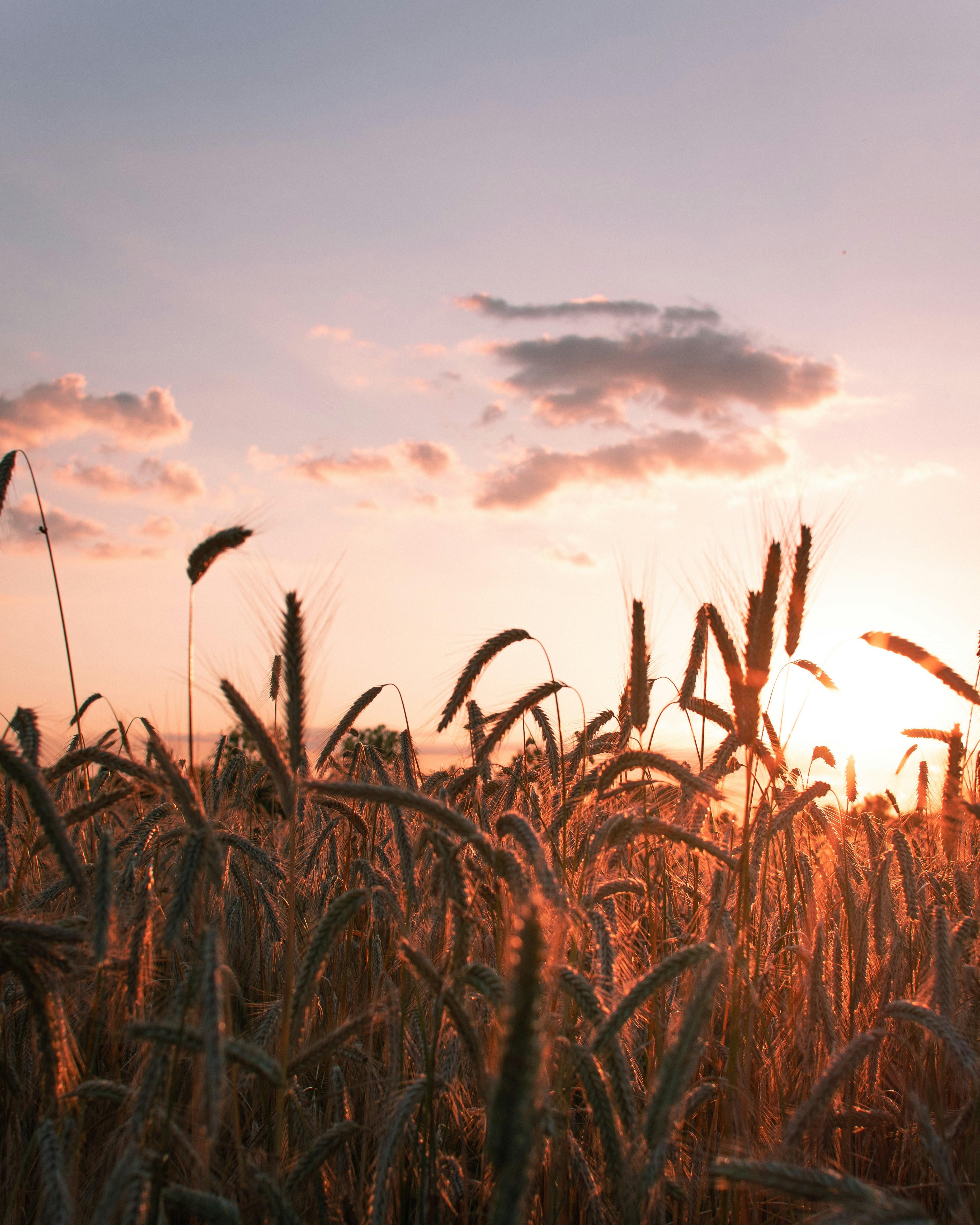
as the sun sets over the fields, casting a golden hue on the swaying rice stalks, we are reminded of the potential that lies in embracing change while honoring our roots. the integration of these machines signifies more than just a technological advancement; it represents a brighter future where the fruits of hard work can be fully realized. As we look ahead, let us celebrate the small but powerful innovations that are poised to transform not only the grains of rice but also the very fabric of rural life.
In our quest for sustainability and prosperity, may we continue to invest in the tools and technologies that lift communities and nurture growth, carrying the rich legacy of rice cultivation into a new era of possibility. After all, every grain polished holds within it the promise of a better tomorrow, waiting to unfold.