
In a world increasingly focused on sustainability and local food production, the humble rice grain stands as a cornerstone of global diets and economies. For small-scale farmers, though, the journey from field to table is fraught with challenges, particularly in the processing stage. Enter the mini rice mill plant—a compact, efficient solution poised to revolutionize the way rice is processed at a grassroots level.This innovative technology not only streamlines operations but also amplifies the potential of small-scale rice production, transforming the livelihoods of farmers while enhancing food security in their communities. In this article, we will explore the myriad ways that a mini rice mill plant can unlock new opportunities, helping producers harness their resources and contribute to a enduring agricultural future. Join us as we delve into the mechanics, benefits, and real-world impacts of this game-changing growth in the rice industry.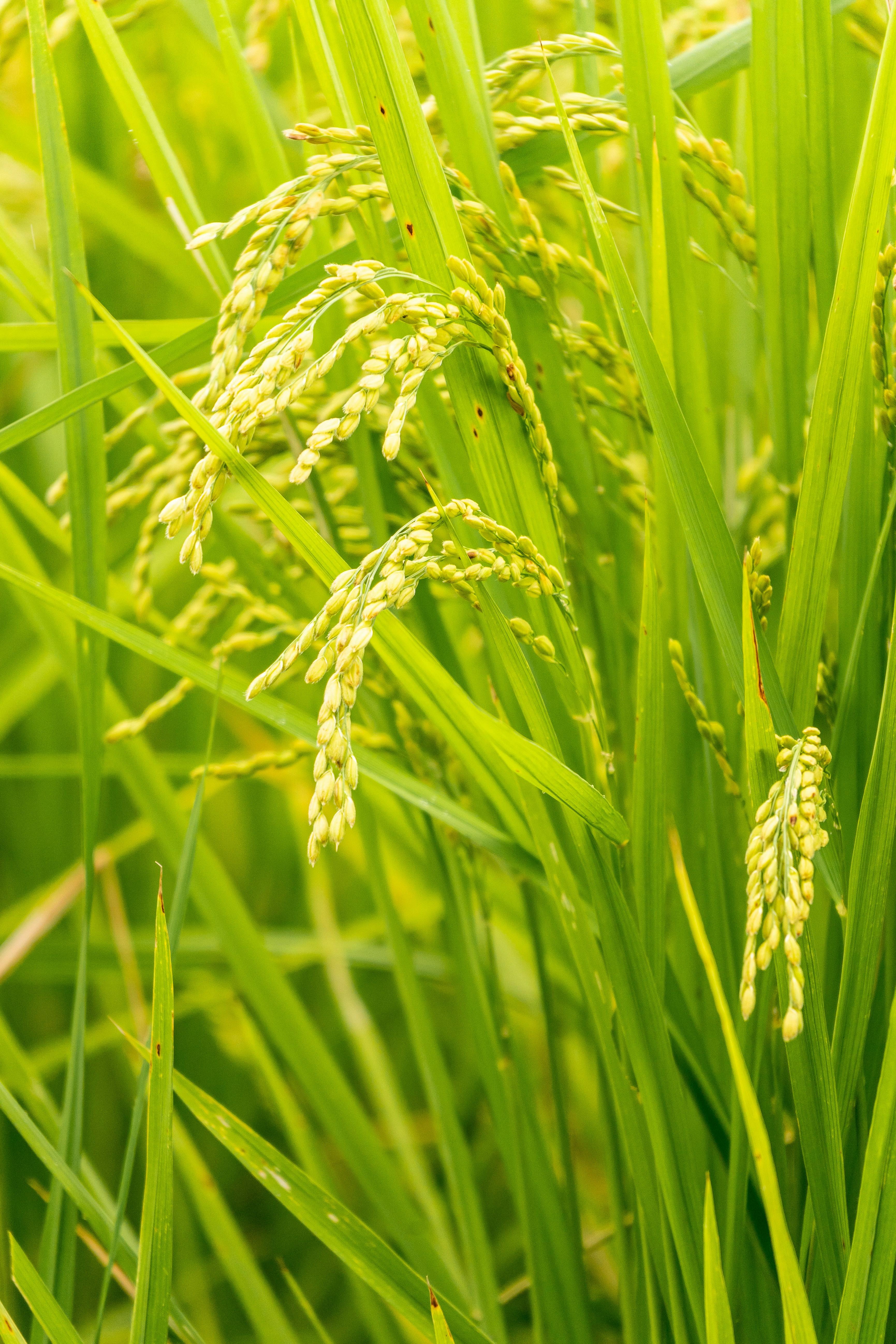
Exploring the Impact of mini rice mill plants on Local Agriculture
mini rice mill plants significantly impact local agriculture by enhancing the efficiency and profitability of small-scale rice production. These plants provide smallholder farmers with access to modern milling technology, which can lead to several advantages:
- Improved Milling Quality: Mini rice mills produce higher-quality rice by minimizing grain breakage and ensuring proper husking, resulting in better market value.
- Cost-Effectiveness: With reduced need for labor and faster processing times, farmers can save money and increase their profit margins.
- local Processing Opportunities: By engaging in local milling, farmers are less dependent on distant processing facilities, thereby lowering transportation costs and contributing to local economic growth.
- Job Creation: Establishing mini rice mills can create local employment opportunities, leading to increased community development.
However, the introduction of mini rice mill plants is not without challenges. Farmers might initially struggle with the capital investment required to set up these mills and may lack technical know-how. Thus, it’s essential to consider factors such as:
- Technical Support: Providing training and resources to help local farmers understand how to operate and maintain mini mills will enhance their productivity.
- Access to Finance: Exploring micro-financing options or government subsidies can make the financial burden more manageable.
- Market Access: Identifying reliable markets for the milled rice is crucial for sustainability, and establishing cooperatives can enhance bargaining power.
In comparison to customary milling methods, which often lead to high levels of waste and lower quality, mini rice mills offer an effective solution for maximizing yield and ensuring that farmers receive fair prices for their product. As small-scale farmers embrace these mills, they can contribute toward a more sustainable and self-sufficient local agriculture system.

Understanding the Key Advantages of Small-Scale Rice Milling Technologies
Small-scale rice milling technologies have gained popularity due to their ability to streamline the rice production process while accommodating the specific needs of local farmers and small business owners. These mini rice mill plants are typically designed to handle smaller capacities compared to large industrial mills, making them ideal for rural communities and family-run farms. Among the key advantages of investing in such technology are:
- Cost-Effectiveness: Mini rice mills require a lower initial investment and operating costs,making them accessible for small-scale operators.
- Improved Quality: These machines are designed to preserve grain integrity, resulting in higher-quality rice and enhanced market value.
- Enhanced Efficiency: Modern small-scale mills incorporate advanced features like automated milling processes, reducing labor costs and time.
- Local Processing Opportunities: By milling rice locally, farmers can retain a greater share of the profits and stimulate local economies.
When comparing small-scale rice milling technologies, key specifications such as capacity, energy efficiency, and milling recovery rates are essential considerations. Mini rice mills can process anywhere from 300 to 1,000 kg of rice per hour, with energy-efficient models incorporating innovations such as solar panels, further reducing operational costs. Additionally, small-scale plants frequently enough come with versatile options, allowing for both raw and parboiled rice processing. As such, opting for a mini rice mill can significantly enhance overall productivity while addressing challenges associated with large-scale milling, such as transportation costs and long processing times.
Common Misconceptions About Mini Rice Mills and Their Real Benefits
Many small-scale producers hold misconceptions about mini rice mills that can hinder their decision to invest in such technology. One prevalent belief is that mini rice mills are only suitable for very small operations, limiting their potential for growth. In reality, while designed for smaller capacities, these mills are remarkably efficient and capable of supporting moderate production needs without compromising on quality. Moreover, the assumption that operating a mini rice mill is more labor-intensive than traditional methods is misleading. With advancements in technology, these mills are user-kind and often automate many steps in the rice milling process, reducing the overall labor burden while maximizing output.
Another common misconception revolves around the initial investment cost of mini rice mills, which some assume is prohibitively high. Though, the truth is that these mills are available in a range of price points, making them accessible for many small-scale farmers. The long-term benefits, including increased milling efficiency, reduced post-harvest losses, and improved rice quality, often outweigh the upfront costs. To illustrate the cost-effectiveness of mini mills versus large-scale operations, consider the table below that compares key factors:
| Factor | mini rice mill | Large Rice mill |
|---|---|---|
| Initial Investment | Low to Moderate | High |
| Operational Adaptability | High | Moderate |
| Space Requirement | Compact | Large |
| Energy Consumption | Lower | Higher |
| Maintenance Cost | Lower | Higher |
this comparison clearly shows that mini rice mills provide a viable and beneficial alternative to larger rice milling operations, especially for those looking to enhance their productivity in a cost-effective manner.
Choosing the Right mini rice mill: Essential Factors for Small Farmers
When selecting a mini rice mill suitable for small-scale farming operations, several crucial factors must be evaluated to ensure optimal performance and return on investment. Capacity is a primary consideration; choose a machine that complements your production needs. Some mills may process as little as 100 kg per hour, while others can handle over 1000 kg. Additionally, assess the type of milling technology used, as they can significantly impact the quality of the rice produced. Common technologies include traditional husking,modern rubber roll hullers,and more advanced micro-processing mills. Each comes with its own set of advantages and potential drawbacks, so understanding your priorities in terms of volume and quality is vital.
Another aspect to consider is maintenance and ease of operation. A mini rice mill should not only be user-friendly but also require minimal upkeep to be viable for small farmers with limited technical expertise. Evaluate whether local mechanics can service the model you’re considering. Furthermore,consider the cost-effectiveness of the mini rice mill in terms of energy consumption and operational costs. For instance, mills that utilize electric motors may incur different running costs compared to diesel-powered options. Helpful features like cleaning systems, adjustable settings for various rice types, and ease of transport can enhance the value. To illustrate, here’s a simple comparison table of key features to explore:
| Feature | Option A | option B | Option C |
|---|---|---|---|
| Capacity (kg/hr) | 300 | 600 | 1000 |
| Power Source | Electric | Diesel | Hybrid |
| Maintenance Level | Low | Medium | high |
| Cleaning System | Yes | No | Yes |
| Price | $3,000 | $5,000 | $7,500 |
By weighing these factors carefully, small farmers can choose a mini rice mill that not only meets their production requirements but also supports the long-term sustainability of their farming operations.
The Way Forward
the journey to unlocking the true potential of small-scale rice production begins with the transformative power of a mini rice mill plant. By streamlining processes,enhancing efficiency,and improving product quality,these compact solutions enable small-scale farmers to elevate their operations,boost profitability,and foster sustainable agricultural practices. as we embrace innovation in this essential sector, the mini rice mill stands as a testament to the belief that even the smallest seeds can yield the most bountiful harvests. Whether you are a budding entrepreneur or a seasoned farmer,the prospect to revolutionize your rice production is within reach. The soil may be humble, but with the right tools and vision, your aspirations can take root and flourish.Embrace the conversion, and let your rice production soar to new heights.



