
Unlocking Efficiency: A Complete Guide to Mini Rice Mills and Their Benefits for Small-Scale Farmers
In the vibrant tapestry of agriculture, small-scale farmers play a pivotal role in nurturing our food systems and sustaining local economies. Yet, despite their essential contributions, these farmers often face a labyrinth of challenges that hinder their productivity and prosperity. Among these challenges, the processing of rice—a staple crop for millions—can be particularly daunting. Enter the mini rice mill: a compact,efficient solution that not only streamlines the milling process but also enhances the economic viability of smallholder farming. In this comprehensive guide, we will explore how mini rice mills can revolutionize the way small-scale farmers approach rice production, unlocking efficiency, reducing post-harvest losses, and ultimately empowering communities to thrive. Join us as we delve into the mechanics, benefits, and transformative potential of this innovative technology, illuminating the path toward a more sustainable and prosperous agricultural future.
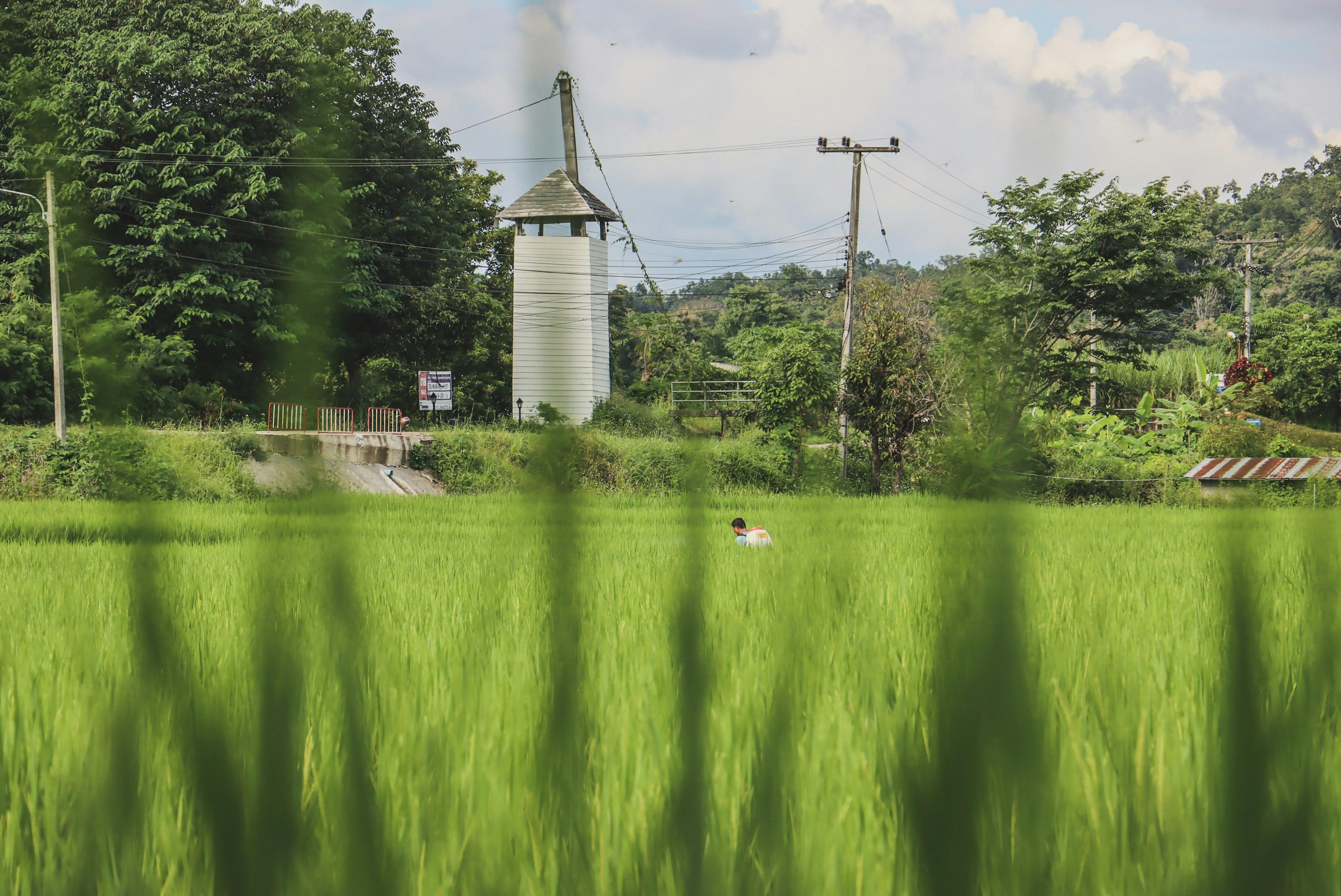
Understanding Mini Rice Mills and Their Role in Modern Agriculture
Mini rice mills are small-scale processing units designed to efficiently transform paddy into milled rice, catering specifically to the needs of small-scale farmers. Unlike larger industrial mills, mini rice mills offer a more accessible investment opportunity for farmers in rural areas, providing them with the necesary technology to process their own harvests.These mills typically consist of a cleaner, husker, separator, and polisher, all integrated into a compact design. By utilizing mini rice mills, farmers can enhance their productivity and reduce post-harvest losses, which is crucial for their overall profit margins. Additionally, local processing allows farmers to maintain greater control over the quality of their rice, enabling them to meet market demands more effectively.
The benefits of adopting mini rice mills extend beyond mere processing. Key advantages include:
- cost Efficiency: Mini rice mills require lower initial investment and operating costs compared to larger facilities.
- Time Savings: Farmers can process their rice immediately after harvest, reducing delays and preserving freshness.
- Skill Growth: Operating a mini rice mill can empower farmers with technical skills, further enhancing their agricultural knowledge.
- Community impact: As farmers mill their own rice, they contribute to local economies and create jobs in their communities.
However, challenges still exist, such as the need for training on operation and maintenance, potential technical issues, and the initial purchase cost, which can be a barrier for some. When comparing mini rice mills to traditional milling methods,it’s evident that the adaptability and autonomy provided by mini mills are invaluable for small-scale farmers looking to optimize their operations. Investing in a mini rice mill is not just about the machinery; it’s a step toward sustaining agricultural practices and enhancing food security in local communities.

Maximizing Productivity: The Advantages of Mini Rice Mills for Small Farmers
Mini rice mills have emerged as an essential tool for small-scale farmers, maximizing productivity in numerous ways. These compact machines enable farmers to process paddy rice into consumable rice efficiently. Traditional methods of rice milling are often labor-intensive and time-consuming, leading to delays in production and reduced profitability. In contrast,mini rice mills simplify the milling process,resulting in quicker turnaround times. With the ability to process 200-800 kg of paddy in just one hour, these mills significantly enhance productivity. They also provide farmers with greater control over their produce, allowing them to select the milling process and customize the final product to better suit market demands.
Moreover,mini rice mills offer a myriad of advantages that small farmers cannot afford to overlook. Cost-effectiveness is a primary benefit, as they reduce the dependence on commercial milling services, thereby conserving both time and expenses. Additionally, they improve quality control; farmers can maintain the freshness and nutritional value of their product better than through third-party mills. The portability of mini rice mills is another meaningful factor, allowing farmers to set up operations closer to fields, which minimizes transportation costs and the risk of spoilage. In a comparative analysis of mini rice mills versus traditional milling methods, small farmers using mini rice mills have reported up to a 30% increase in overall yield, making them a smart investment for those looking to enhance their agricultural operations.
Overcoming Challenges: Addressing Common Misconceptions About Mini Rice Milling
Mini rice milling technology often faces misconceptions that can hinder its adoption among small-scale farmers. one of the most common misconceptions is that mini rice mills lack the efficiency and effectiveness of larger, industrial-scale mills. However, modern mini rice mills are designed with advanced technology that allows them to process rice at a rate comparable to bigger machines. They offer features like speedy husking, efficient whitening, and low breakage rates, which can significantly improve the quality of the final product. Farmers should recognize that these mills are not merely scaled-down versions of traditional machinery but are equipped to meet the specific needs of small-scale operations. By addressing these misconceptions, farmers can make informed choices about investing in mini rice milling technology, helping to boost their productivity and profitability.
Another prevalent misunderstanding is the perception that mini rice mills are not cost-effective.While the initial investment may seem significant, the long-term benefits often outweigh the costs. As a notable example, mini rice mills require less energy and water compared to their larger counterparts, leading to lower operational expenses. moreover, the ability to mill rice on-site reduces transportation costs and time, enabling farmers to sell high-quality products directly to consumers. To illustrate the potential savings, consider the following table that compares the costs associated with traditional milling versus mini rice milling:
| Aspect | Traditional Milling | Mini Rice Milling |
|---|---|---|
| Initial Investment | Higher | Moderate |
| Operating Costs | Higher Energy & Transport Costs | Lower Energy & Transport Costs |
| Quality Control | Less Control | High control |
By understanding these points, small-scale farmers can better navigate the challenges associated with adopting this technology, leading to improved operational efficiency and enhanced market competitiveness.
Choosing the Right mini rice mill: Key Considerations for Aspiring Producers
when considering the purchase of a mini rice mill, several critical factors can significantly influence both productivity and profitability for small-scale farmers. Firstly, assess the capacity of the rice mill. Mini rice mills are available in various sizes, with production capacities ranging from 100 to 800 kg per hour. Determining the right capacity involves analyzing your farm’s production volume and the demand for processed rice in your local market. additionally, consider the power source of the mill (electric or diesel), as this will impact operational costs and accessibility based on rural infrastructure. Maintenance requirements are also vital; look for models that are easy to clean and maintain, ensuring longer operational lifespan and consistent output.
Another aspect to evaluate is the types of milling technology employed. Look for mills that feature modern milling technology that maximizes husk removal while minimizing breakage. It’s also helpful to compare features such as “automatic rice grading”, which ensures that the rice is sorted into different quality categories, enhancing marketability. Review the price-to-value ratio; while some high-end models might potentially be expensive, they could yield significant savings in labor and time. don’t overlook customer support and warranty options offered by manufacturers, as these can be vital in troubleshooting operational issues post-purchase. A few commendable brands to consider include:
| Brand | Features | Price Range |
|---|---|---|
| Brand A | High capacity, low noise | $1,000 – $1,500 |
| brand B | energy-efficient, compact design | $800 – $1,200 |
| Brand C | Advanced milling technology, durable | $1,500 – $2,000 |
Concluding Remarks
the rise of mini rice mills heralds a transformative shift for small-scale farmers, unlocking not only the potential of their harvests but also enhancing their livelihoods. By embracing this technology, farmers can achieve higher efficiency, reduce post-harvest losses, and gain greater control over the quality of their produce. As the agricultural landscape continually evolves, mini rice mills stand out as a beacon of innovation, offering sustainable solutions tailored to the unique needs of the smallholder sector. As we step into the future of farming, it is indeed crucial for farmers, stakeholders, and policymakers to collaborate and support the integration of such technologies, ensuring that these advancements are accessible to all. Together, we can cultivate a thriving agricultural community, where every grain harvested contributes to prosperity and resilience.



