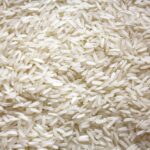
In the ever-evolving landscape of agriculture, innovation often holds the key to sustainability and efficiency. among the latest advancements reshaping the farming sector, the rise of combine mini rice mills stands out as a beacon of progress. These compact and versatile machines are revolutionizing the way rice is processed, merging conventional farming practices with modern technology to maximize output while minimizing resource consumption. As smallholder farmers and agribusinesses alike seek solutions that enhance productivity and preserve quality, combine mini rice mills offer a promising alternative to conventional milling systems. This article delves into the transformative impact of these innovative machines, exploring their role in boosting efficiency, supporting local economies, and ensuring food security in an increasingly competitive market. Join us as we unravel the story behind this agricultural breakthrough and its implications for the future of rice farming.
Transforming Smallholdings: The Impact of Combine Mini Rice Mills on Sustainable farming
The integration of combine mini rice mills into smallholding operations represents a significant leap towards sustainable agriculture. These compact milling machines, designed for efficiency and versatility, allow farmers to transform their raw produce into value-added products swiftly. The advantages of utilizing these mills extend beyond mere convenience; they also help reduce post-harvest losses, which is crucial in ensuring that every grain of harvested rice contributes to food security. This technology empowers smallholder farmers by providing them the means to enhance their income and stabilize their livelihoods.
Moreover, the environmental impact of combine mini rice mills aligns with sustainable farming practices. By minimizing energy consumption and optimizing processing times, these mills reduce carbon footprints associated with traditional rice milling. The benefits can be summarized as follows:
- Cost-Effectiveness: Lower operating costs improve profit margins for smallholders.
- Reduced Waste: Efficient processing leads to less broken rice and waste products.
- Job Creation: Local milling offers job opportunities within communities.
| Benefits | Description |
|---|---|
| Eco-Amiable | Utilizes less energy and minimizes resource waste. |
| Enhanced Quality | Produces higher quality rice with fewer damages. |

Maximizing Yield and Efficiency: Technological Innovations in Rice Milling
The evolution of rice milling technology has ushered in a new era of efficiency and yield maximization. Among the standout innovations are the compact and versatile combine mini rice mills, which integrate various milling processes into a single machine.This compact design not only saves space but also significantly reduces processing time. Farmers can benefit from features such as:
- Integrated processing that combines husking, milling, and polishing in one step.
- Energy efficiency achieved through optimized energy management systems.
- Automation capabilities that minimize manual oversight and improve consistency in output.
Furthermore,these mini mills offer adaptability,catering to both smallholder farmers and larger agricultural enterprises. The advances in sensor technology and data analytics play a pivotal role in monitoring crop quality and moisture levels, allowing for timely and appropriate milling processes. The operational flexibility of combine mini rice mills reduces wastage, leading to:
| Aspect | Traditional Milling | combine Mini Rice Milling |
|---|---|---|
| Space Requirement | Large | Compact |
| Processing Time | Lengthy | Rapid |
| Energy Consumption | High | Low |
| Wastage | More | Less |
These enhancements signify a shift in the agricultural landscape, empowering farmers to achieve better quality rice while also encouraging sustainable practices. By adopting modern milling technologies, rice producers are not merely keeping pace with global agricultural demands; they are setting the stage for a more resilient future.
Addressing Market Needs: how Mini Rice Mills Support Local Economies
The emergence of mini rice mills has transformed the agricultural landscape in many regions, serving as a catalyst for local economic growth. By providing a more accessible option for small-scale farmers,these mills address various market needs such as enhancing productivity and offering cost-effective processing solutions.As a result, farmers can now enjoy benefits like:
- Increased Efficiency: Combine mini rice mills streamline the harvesting process, allowing farmers to save time and labor.
- Cost Savings: With lower operational costs, farmers can invest more in cultivation and manage their finances better.
- Enhanced Quality: The mills help produce cleaner, higher-quality rice, improving marketability and prices.
Moreover, the positive ripple effects of mini rice mills on local economies are noteworthy. They act as employment hubs,creating job opportunities not only in mill operations but also in ancillary services such as maintenance,distribution,and marketing. Further enhancing their community influence, these mills contribute to the local ecosystem by:
- Encouraging Local Procurement: Sourcing raw materials from local farmers promotes community support.
- Boosting Rural Incomes: higher profits for farmers mean increased spending power within the local economy.
- Stimulating Agricultural Innovation: the presence of mini rice mills encourages smallholder farmers to adopt new farming techniques and technologies.
| Impact Area | Positive Outcomes |
|---|---|
| Employment | Job creation in milling and support industries |
| Community Development | Strengthened local buying and selling ecosystems |
| Agricultural Growth | Increased adoption of sustainable practices |
Best Practices for Implementation: Guidelines for Farmers Transitioning to Mini Rice Mills
To ensure a smooth transition to mini rice mills, farmers should adopt several essential practices that can definitely help optimize their efficiency and productivity. First and foremost, it is indeed crucial to conduct thorough research before making the leap. Understanding the different mini rice mill models, their capabilities, and maintenance requirements will allow farmers to select a machine best suited for their specific needs. In addition, involvement in training sessions offered by local agricultural extension services can provide practical insights into operating the machinery effectively.
Moreover, farmers should emphasize the importance of collaborative efforts within their communities. Establishing cooperatives or groups can lead to shared resources, enabling members to pool funds for purchasing the mill and ensuring that they make the most of its use. Consistent communication and feedback loops among farmers will promote the adoption of best practices over time. Additionally, monitoring key performance indicators (KPIs) such as milling efficiency and husking rates can offer insights into areas for betterment. Below is a simple table showcasing these KPIs:
| Milling Efficiency (%) | Husking Rate (kg/hour) | Output Quality Assessment |
|---|---|---|
| Above 85 | 150-200 | High |
| 70 – 85 | 100-150 | Medium |
| Below 70 | Below 100 | Low |
Key Takeaways
the emergence of combine mini rice mills marks a significant evolution in the landscape of efficient farming. These compact, versatile machines are not merely tools; they embody a shift towards sustainable agriculture that prioritizes productivity and adaptability. by marrying technology with traditional practices, smallholder farmers are empowered to maximize yields while minimizing resource usage. As we look to the future,the continued integration of such innovations in the agricultural sector could pave the way for food security and economic resilience,ensuring that the grains of tomorrow are planted and harvested with greater efficiency. Embracing the potential of combine mini rice mills could be the key to nurturing both our farmers and our planet for generations to come.