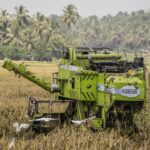
In the serene embrace of lush green fields, where the gentle rustle of rice plants whispers tales of tradition and sustainability, the journey of paddy processing begins. “Harvest to Table: The Art of Paddy Processing Explained” invites readers to explore the intricate steps that transform golden grains of rice from their humble origins into the cherished staple so vital to our culinary landscape. This article delves into the meticulous practices that underpin this age-old art—from the exuberant harvest season, marked by communal celebrations, to the cutting-edge technologies that modernize processing methods while respecting time-honored traditions. Join us as we uncover the nuances of paddy processing, illuminating the harmony between nature and nurturer at every stage of this essential journey.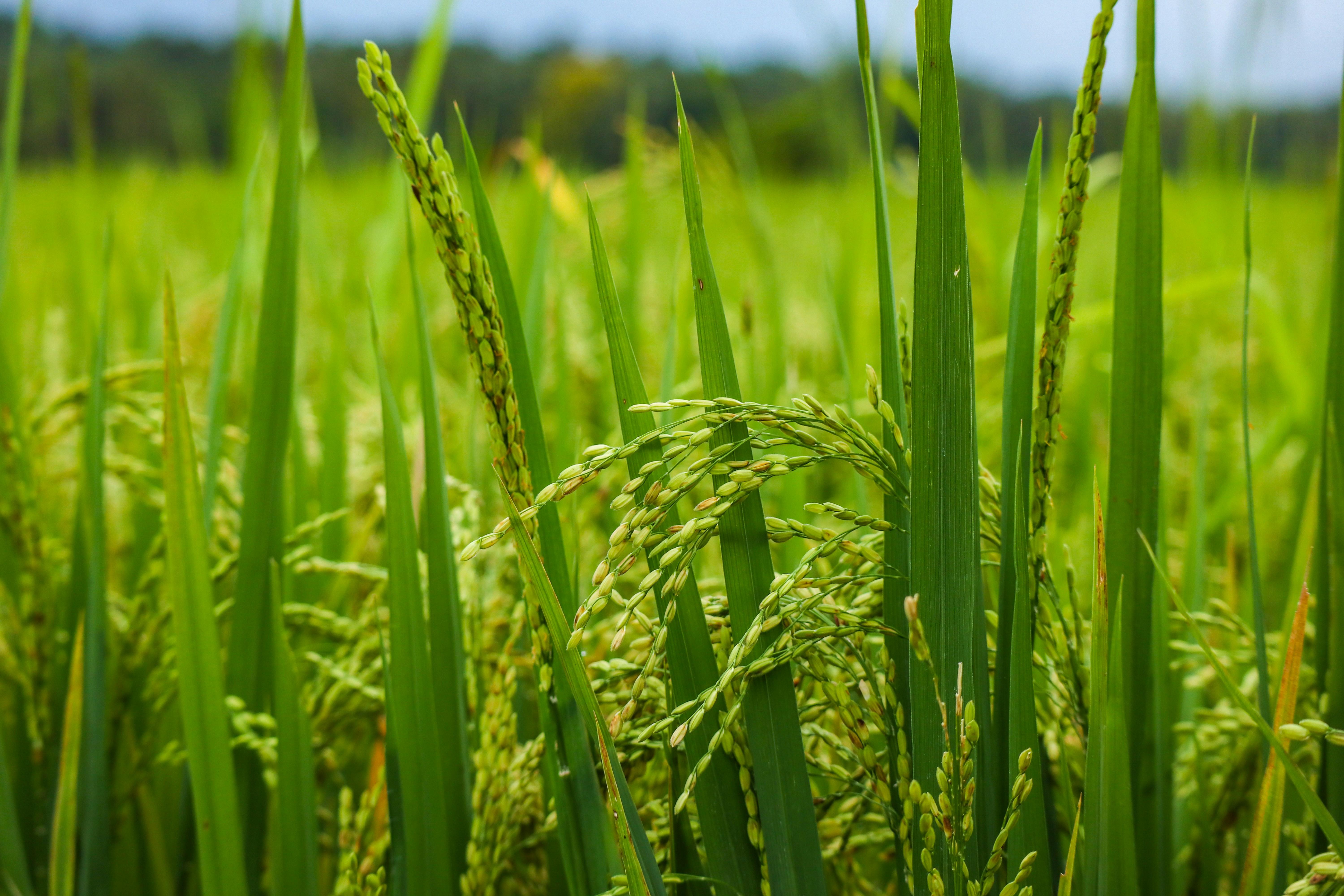
Understanding the Paddy Lifecycle from Planting to Harvest
The paddy lifecycle is a remarkable journey that begins with careful planting and culminates in a bountiful harvest. The process starts as farmers choose the right variety of rice seeds suited to their local climate and soil conditions.These seeds are frequently enough soaked and germinated before being sown in prepared fields, which are typically flooded to ensure optimal growing conditions. During the growing phase, paddy plants go through key stages: tillering, booting, flowering, and ripening.Each stage requires specific care, including nutrient application, pest management, and water control to ensure high yields. As the plants mature, the vibrant green fields transform into golden waves ready for harvest.
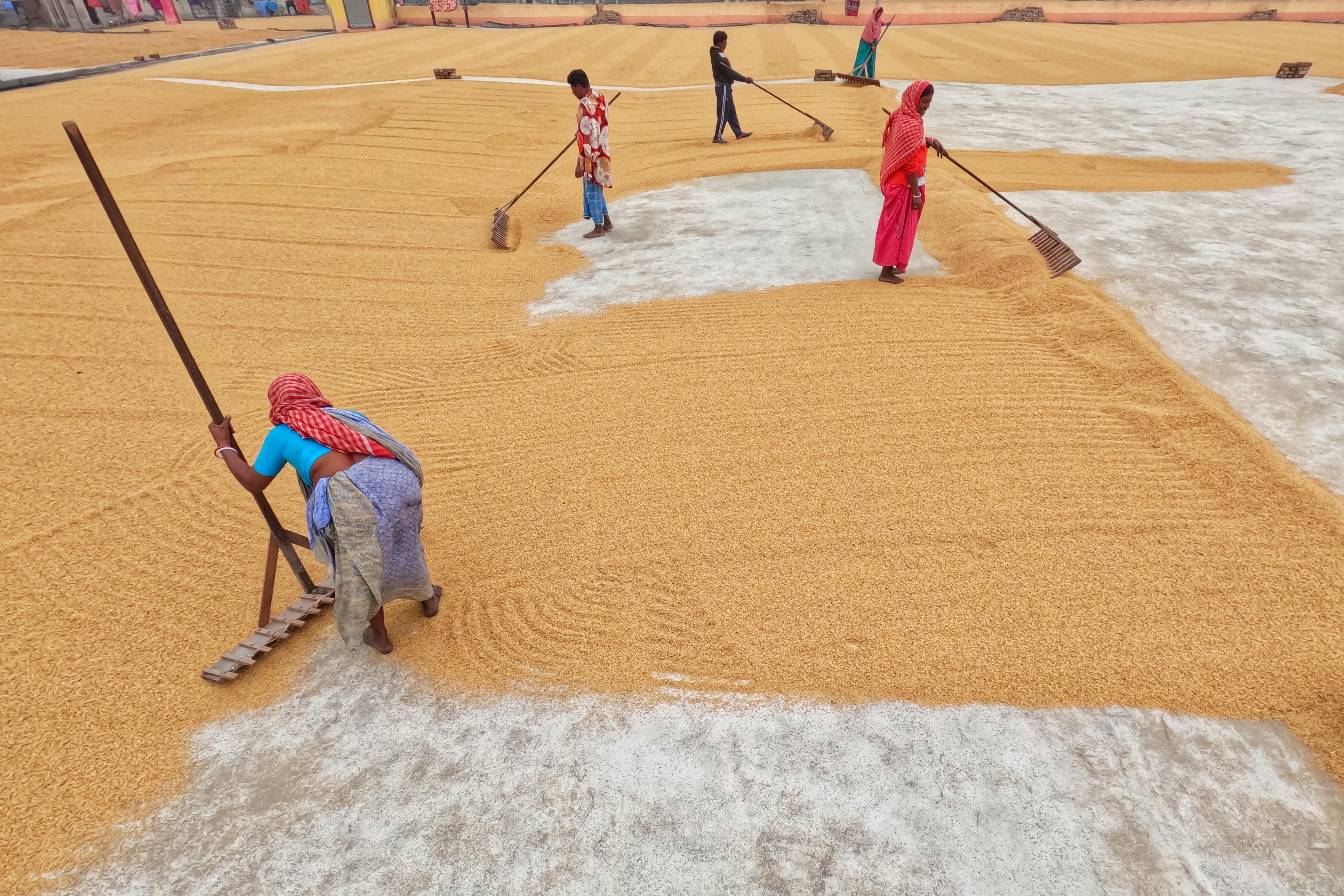
Once the rice is harvested, the journey continues through a meticulous post-harvest process. The freshly harvested paddy goes through several essential steps:
- Drying: Reduces moisture content to prevent spoilage.
- Hulling: The removal of the outer husk to yield brown rice.
- Polishing: The optional process to produce white rice by removing the bran.
- Packaging: Preparing rice for distribution to consumers and markets.
Below is a simplified table showcasing the average timelines for each stage of the paddy lifecycle:
| Life Cycle Stage | Duration (Days) |
|---|---|
| Sowing | 1-2 |
| Tillering | 20-30 |
| Flowering | 10-15 |
| Ripening | 30-40 |
| Harvesting | 1-3 |
Essential Techniques in Paddy Processing for Optimal Quality
To achieve optimal quality in paddy processing, a series of essential techniques must be employed throughout the journey from harvest to table. The first critical step is threshing, where harvested paddy stalks are separated from the grain. This process can be accomplished using manual methods or mechanized threshers, each with its own advantages. Following this, cleaning the paddy is vital to eliminate impurities such as stones, straw, and dust ensuring that only the finest grains proceed to the next phase. proper cleaning directly impacts the quality of the final product by preventing spoilage and enhancing flavor.
After cleaning, the grains undergo drying—a procedure that removes excess moisture, crucial for preventing mold and maintaining long-term storage quality. Optimal moisture levels should typically be around 14%. In this phase,using appropriate drying techniques like air drying or mechanical dryers can profoundly affect the grain’s shelf life. Afterward,milling comes into play,which not only involves husking (removing the outer husk) but also polishing the rice to improve its appearance. This stage demands precision, as aggressive milling can lead to excessive broken grains and loss of vital nutrients. To ensure a well-rounded quality and minimal grain damage,mills are often equipped with advanced technology to monitor and adjust processes in real-time based on grain variety and moisture content.
Exploring Sustainable Practices in Rice Production
In the journey from harvest to table, sustainable practices in rice production play a crucial role in ensuring both environmental health and economic viability. By adopting methods such as crop rotation, integrated pest management, and organic fertilization, farmers can reduce their reliance on synthetic inputs while enhancing crop resilience. These practices not only minimize the environmental footprint but also contribute to improved soil health, fostering a symbiotic relationship between rice cultivation and local ecosystems.
The implementation of technologies like drip irrigation and water-saving techniques has revolutionized how water-intensive crops like rice are cultivated. By optimizing water usage, farmers are able to produce high yields with significantly less water, which is essential in regions facing water scarcity. Additionally, aligning with community-supported agriculture enhances local food systems by reducing transportation emissions and ensuring that fresh rice reaches consumers directly. Below is a comparison of customary versus sustainable rice production practices:
| Practice Type | Traditional Method | Sustainable Method |
|---|---|---|
| Water Usage | High, frequently enough wasteful | Efficient, using techniques like drip irrigation |
| Pest Control | Chemical pesticides | Integrated pest management, biological controls |
| Soil Health | Reliant on synthetic fertilizers | Organic matter enrichment, cover crops |
Bridging tradition and Innovation in Rice Processing Methods
In the intricate dance of transforming harvested paddy into edible rice, the marriage of age-old practices with cutting-edge technologies creates a harmonious balance. Traditional methods, often handed down through generations, emphasize the importance of community, sustainability, and local identity, while modern innovations introduce efficiency, precision, and enhanced quality. By embracing sustainable cultivation techniques, such as integrated pest management and organic farming, rice processors can ensure that their practices are not only time-tested but also environmentally responsible. Ultimately, this approach fosters a connection whereby the community feels invested in both the process and the product, honoring the past while paving the path for a promising future.
One of the key advancements in rice processing is the integration of machinery that streamlines the milling process without sacrificing quality. Modern rice mills are designed to maximize yield and minimize waste,employing methods that retain the nutritional benefits of the grains. Examples of these state-of-the-art milling techniques include:
- pre-cleaning: Removing impurities before milling.
- Husking: Efficiently separating the husk from the grain.
- Whitening: Polishing the rice while preserving its nutritional value.
- Quality Control: Employing advanced technology to ensure uniformity.
as the rice industry continues to evolve, the fusion of tradition and innovation will shape the future. By evaluating the benefits of each method, stakeholders can make informed decisions that cultivate not just a product but a legacy. Below is a comparison of traditional verses modern rice processing methods:
| Traditional Methods | Modern Techniques |
|---|---|
| Labor-intensive; relies on manual labor | Automated machinery; requires less manual effort |
| Less efficient; longer processing times | High efficiency; shorter processing cycles |
| Utilizes natural resources conservatively | Incorporates technology for sustainable use of resources |
| Strong emphasis on community practices | Focus on global standards and market demand |
Concluding Remarks
As we draw the curtains on the intricate journey from harvest to table, we’ve unearthed the delicate artistry that underpins paddy processing. Each grain tells a story, woven through the meticulous hands of farmers and processors who transform it from a mere seed into a staple that nourishes millions. The process, steeped in tradition yet enhanced by innovation, underscores the commitment to quality and sustainability that defines this vital agricultural practice.
Understanding the nuances of paddy processing not only deepens our gratitude for the food on our plates but also highlights the interconnectedness of nature, labor, and cuisine. As we savor the fruits of this labor, let us remain mindful of the effort that nourishes us and the communities that sustain the vibrant tapestry of our global food culture.
So, the next time you enjoy a bowl of rice, take a moment to reflect on the journey it has undertook—an unassuming grain that transcends boundaries, cultures, and time. The art of paddy processing is not just a process; it’s a bridge between our past and future, a testament to human ingenuity in the pursuit of nourishment. As we continue to explore the relationship between agricultural practices and culinary delights, we invite you to join us in celebrating this age-old tradition that remains ever relevant in our quest for sustainability and taste.