In the culinary tapestry of cultures around the globe,rice stands as one of the most cherished grains,nourishing billions with it’s versatility and subtle elegance. Yet, behind every perfectly steamed bowl lies an intricate journey—a story written by the hands of dedicated farmers, expert millers, and innovative processors. as the world embraces the quest for quality in its food supply, understanding the nuances of rice milling has never been more crucial. In “Unveiling the Best Rice Mills: A Guide to Quality Grains,” we embark on an exploration into the heart of rice production, shedding light on the mills that elevate this humble grain from field to table. Here,we will uncover the factors that define quality in rice milling,introduce leading mills renowned for their extraordinary standards,and guide you in selecting the finest rice that enriches your culinary experiences. Join us as we navigate this essential aspect of grain production, empowering you to appreciate the journey of your next meal.
Exploring the Essential Features of Top Rice Mills
When evaluating the leading rice mills, a range of characteristics becomes paramount in assessing their quality and efficiency. Among the essential features to consider are:
- Technology Integration: Advanced milling technologies not only enhance the quality of rice but also improve operational efficiency. Mills equipped with automated systems tend to have better consistency in grain quality.
- Quality Control Measures: Rigorous quality control processes play a crucial role in ensuring the final product meets health and safety standards. Facilities that regularly test their grains for impurities showcase their commitment to providing the best.
- Environmental Consciousness: Sustainable practices in rice milling, such as water recycling and waste management, are increasingly important. Mills that prioritize eco-amiable operations contribute positively to both the habitat and their community.
Another key aspect is the diversity in product offerings that a rice mill provides. Consumers are looking for a variety of rice types, which may include:
| Rice Type | description | Ideal Use |
|---|---|---|
| Jasmine Rice | Known for its fragrant aroma and slightly sticky texture. | Thai dishes,stir-fries |
| Basmati Rice | Long grain rice with a nutty flavor and fluffy texture when cooked. | Indian curries, biryanis |
| Brown Rice | Whole grain rice that retains its bran layer, offering more nutrients. | Health-focused meals, salads |
Furthermore, the location and accessibility of a rice mill can influence both sustainability and cost-effectiveness. Mills situated close to rice farms minimize transportation costs and delays, ensuring fresh grains reach the market swiftly.These logistics are essential for maintaining a chain of supply that benefits both farmers and consumers, making them a critical consideration for those seeking high-quality rice products.
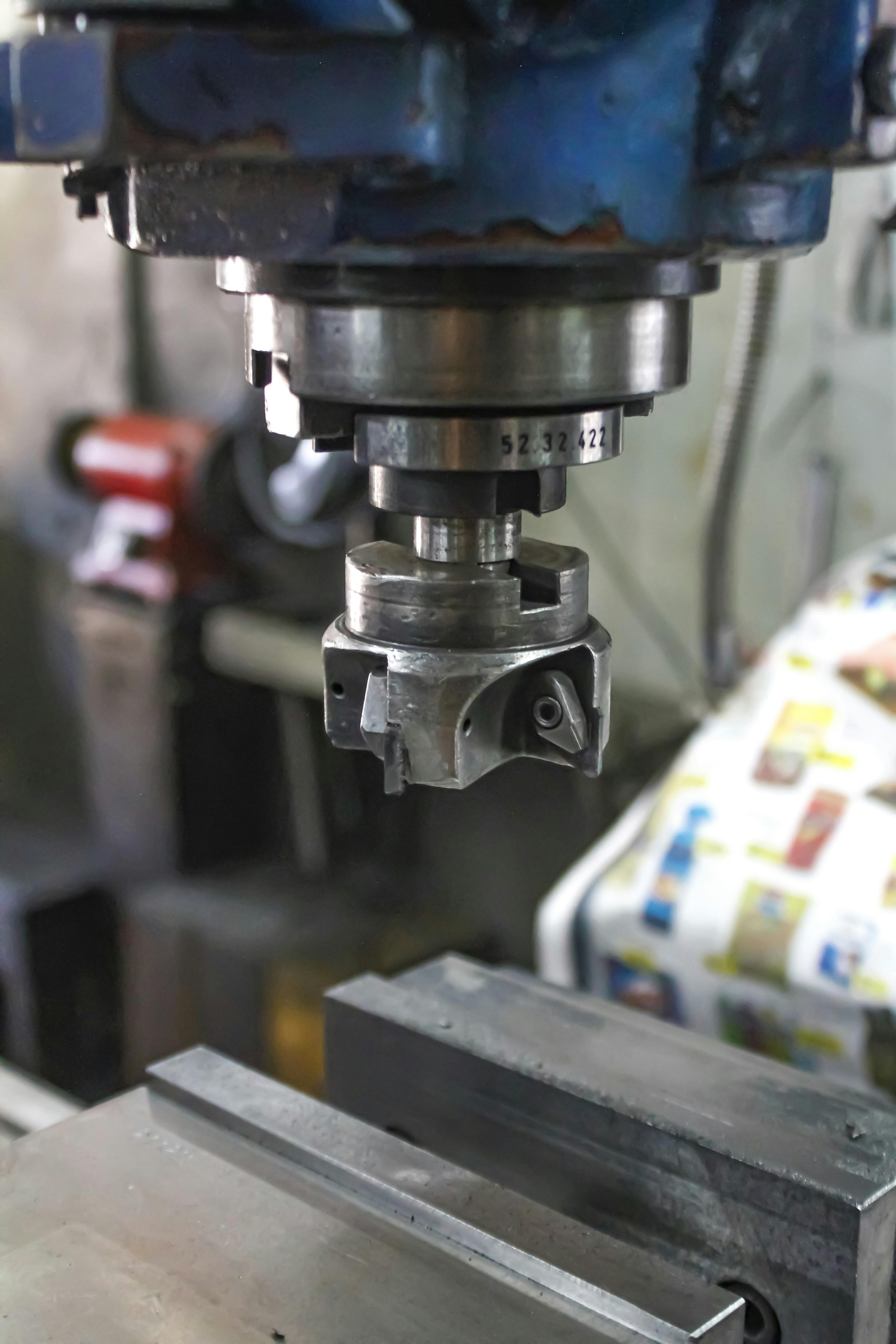
Understanding the Impact of Milling Techniques on Grain Quality
The milling process is a crucial determinant of grain quality, affecting not just the appearance but also the nutritional value and shelf-life of the final product. Traditional and modern milling techniques vary substantially, leading to differences in how grains are processed. Some of the common milling methods include:
- Stone Milling: Known for preserving natural flavors and nutrients.
- Roller Milling: Offers precision and efficiency,though may strip some nutrients.
- Pin Milling: Ideal for creating fine and uniform particles.
- Impact Milling: Effective for producing specific textures tailored to consumer preferences.
Additionally, the choice of milling technique can also influence key quality parameters such as grain hardness, whiteness, and freshness. Below is a concise comparison of how different methods affect these qualities:
| Milling Technique | Grain Hardness | whiteness | Freshness |
|---|---|---|---|
| Stone Milling | Soft | Lower | Higher |
| roller Milling | Hard | Higher | Moderate |
| Pin Milling | Customizable | Variable | High |
| Impact Milling | Soft | High | Lower |
Choosing the right milling technique is therefore paramount to achieving high-quality rice, as it directly influences both customer satisfaction and marketability. Understanding these milling methods can empower producers to select optimal processes that enhance the quality of their grains while meeting consumer demands.
Evaluating the Leading Brands in Rice Production
When it comes to the world of rice production,several brands have established themselves as leaders in quality and innovation. These mills are known for their meticulous processes that result in grains that are not only flavorful but also nutritious. Among them, a few standout names consistently gain acclaim for their commitment to excellence. Factors that contribute to their reputation include:
- Quality Assurance: Rigorous testing and selection processes ensure only the best grains make it to the final product.
- Sustainability Practices: Leading brands often implement eco-friendly practices, such as water conservation and organic farming methods.
- Customer Feedback: regularly collecting and acting upon consumer reviews to improve product quality.
To further understand the competitive landscape, it’s essential to evaluate not just the quality of the rice but also the brands’ market presence and product diversity. Key players frequently highlighted in consumer reports include:
| Brand | Location | Specialty |
|---|---|---|
| Golden Grain | Thailand | Jasmine Rice |
| Harvest Moon | India | Basmati Rice |
| Pure Blend | Italy | Arborio Rice |
These brands not only cater to diverse culinary needs but also emphasize quality in every bag they produce.By focusing on the interplay of tradition and technology, they push the envelope in rice production, ensuring consumers enjoy superior grains with each serving.
Sustainable Practices in Rice Milling: A Step Towards Ethical Consumption
As the global community increasingly prioritizes sustainability, rice milling practices are evolving to meet ethical consumption standards. A new wave of mills is adopting eco-friendly processes that not only enhance grain quality but also minimize environmental impact. Sustainable sourcing of paddy, efficient energy use, and waste management are among the most effective strategies implemented today. such as, many mills are turning to renewable energy sources like solar and biomass, which drastically reduce greenhouse gas emissions. By rethinking traditional methodologies, these mills are not just improving their products but also contributing positively to the ecosystem.
Furthermore, community engagement has become a significant aspect of sustainable rice milling.mills are now focusing on fair trade practices that support local farmers through fair pricing and education on sustainable agriculture. This partnership promotes a higher quality of paddy while ensuring that farmers are invested in eco-friendly practices. The resulting rice not only meets quality standards but also carries the ethical story of its production. Here are some key initiatives in sustainable rice milling:
- Water conservation techniques: Utilizing water-efficient milling machines.
- Waste reutilization: Converting husks and bran into biofuel.
- soil health promotion: Encouraging organic farming methods among local farmers.
The Conclusion
As we draw the curtains on our exploration of the best rice mills, it becomes evident that quality grains are not just a matter of chance but a product of dedication, craftsmanship, and innovation.The rice mills we’ve unveiled today stand as testament to the agricultural heritage that feeds nations and nourishes communities.
with every grain of rice passing through these remarkable facilities, consumers can expect a unique story—one rooted in tradition yet influenced by modern advancements. Whether you’re a culinary enthusiast, a health-conscious eater, or someone passionate about sustainability, understanding the process behind your meals empowers you to make informed choices.
As you embark on your culinary adventures with the finest rice in hand, remember that each meal is an opportunity to savor not just flavors but the efforts of countless individuals dedicated to delivering the best. May your rice dishes be enriched with the essence of quality and the knowledge of where they come from. Happy cooking!