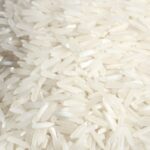
In the heart of agricultural innovation lies a transformative process that has the power to enhance productivity and sustainability: rice milling.As one of the world’s most essential staple foods, rice demands not only careful cultivation but also meticulous processing to preserve its quality and elevate its market value. Enter the rice milling machine—a marvel of engineering designed to streamline the journey from paddy to polished grain. In this guide, we will unlock the efficiency of rice milling machines, exploring their technology, functionality, and the pivotal role they play in modern agriculture. Whether you’re a seasoned mill operator, a farmer exploring new avenues, or simply curious about the mechanics behind this vital industry, this article will provide you with insights that illuminate the path to maximizing productivity and achieving exceptional results in rice processing. Join us as we delve into the world of rice milling, where tradition meets technology and efficiency is redefined.
Choosing the Right Rice Milling Machine for Your Needs
When selecting a rice milling machine, its essential to consider several key factors that directly impact your operational efficiency and product quality. Start by evaluating the capacity requirements of your processing facility. some machines are designed for small-scale operations while others cater to industrial-scale milling. Identify your production goals to choose a machine that meets or exceeds those expectations. Additionally, look for features that enhance usability, such as adjustable settings for various rice types and an intuitive control panel that allows for easy operation.
Another critical aspect is the maintainance and after-sales support offered by the manufacturer.A well-supported machine ensures minimal downtime and sustained performance. it’s wise to check the availability of spare parts and the technical assistance the company provides should any issues arise. Consider models that feature energy-efficient technology to reduce operational costs in the long run. A brief table below summarizes key aspects to weigh during your selection process:
| Criteria | Importance |
|---|---|
| Capacity | Ensures alignment with production goals |
| Usability Features | Improves user experience and efficiency |
| Maintenance Support | Minimizes downtime and keeps operations smooth |
| Energy Efficiency | Reduces long-term operational costs |

Understanding the Milling Process: Key Factors and Techniques
The milling process transforms raw, harvested rice into the polished grains that are essential for culinary enjoyment across the globe. This intricate operation hinges on several key factors that collectively influence the quality and efficiency of the end product. Among these, moisture content plays a critical role; optimal levels ensure that grains are processed without compromising texture or flavor. Additionally, hulling and polishing techniques are crucial, determining how much bran and husk are removed while preserving the nutritional benefits of the rice. the machinery used in milling is equally meaningful; precision-engineered rice milling machines are capable of accommodating varying grain sizes, enabling a uniform output that meets stringent quality standards.
Different techniques can be employed during the milling process to enhance efficiency and yield. Some of the prominent methodologies include:
- Water Milling: Utilizes water to soften grains before hulling, minimizing breakages.
- Dry Milling: Focuses on minimizing moisture content to maintain crispness and quality.
- Continuous Milling: Streamlines production by processing a constant flow of rice.
Moreover, selecting the right equipment enhances the overall milling experience. A comparison of popular rice milling machines can illuminate the choices available for potential buyers:
| Machine Type | Features | Efficiency Rating |
|---|---|---|
| mini rice mill | Compact, low power consumption | Up to 500 kg/h |
| Automatic Rice mill | automated operations, higher capacity | 1000 kg/h |
| Industrial Rice Mill | Heavy-duty, high output | 2000 kg/h+ |
Enhancing Productivity Through Maintenance and Upgrades
Regular maintenance and timely upgrades are essential for maximizing the efficiency of rice milling machines. By ensuring that all components are well-maintained, operators can minimize downtimes and increase the overall productivity of their milling operations. Consider implementing a routine maintenance schedule that includes:
- Daily inspections of critical parts such as the huller, separator, and polishing machines.
- Weekly cleaning to remove dust and milled grain residue, promoting optimum performance.
- Monthly lubrication of moving parts to reduce friction and wear.
- Annual overhauls that check for potential issues and replace worn-out components.
Upgrades can also substantially bolster productivity levels. Technological advancements can lead to enhanced output and improved efficiency.Hear’s a table highlighting some valuable upgrade options:
| Upgrade Type | Description | Benefits |
|---|---|---|
| Automated Controls | Integrate smart technology for precision. | Increased accuracy and reduced manual labor. |
| Energy-efficient Motors | Replace outdated motors with modern alternatives. | Lower energy costs and reduced environmental impact. |
| Enhanced Sifting Equipment | Upgrade to advanced sifting technology. | Higher product quality and less contamination. |
Innovations in Rice Milling Technology: What to Look For
As the rice industry evolves, so does the technology behind milling processes, which aim to maximize productivity and efficiency. one of the most exciting trends is the progress of smart milling machines. These machines are integrated with IoT capabilities, allowing farmers and mill operators to monitor performance remotely.With real-time data analysis, users can optimize the milling process to minimize waste and enhance output quality. Added features such as automated adjustments for moisture content and grain type further enhance the milled product, ensuring consistency and superior quality.
Another area of innovation is the introduction of eco-friendly milling options that lessen the environmental impact of production. These advancements focus on energy-efficient designs and waste recovery systems. Here are some key innovations to keep an eye on:
- Water recycling systems: Reduce water usage in the milling process.
- High-efficiency motors: Use less energy while increasing production speed.
- Biomass utilization: Repurpose milling waste as a renewable energy source.
These technologies not only improve operational efficiency but also align with global sustainability goals, making them essential for modern rice milling enterprises. As demand for high-quality rice increases, investing in these state-of-the-art milling machines can lead to significant competitive advantages in the industry.
To Wrap It Up
the journey through the world of rice milling machines reveals a landscape rich with innovation and practicality. As we unlock the secrets to maximizing efficiency, it becomes evident that these machines are not merely tools, but vital partners in the quest for quality and productivity in rice processing. By understanding the various types, features, and maintenance needs of these machines, millers can make informed decisions that enhance their operations and drive growth.
As we step into an era where technology and agriculture intertwine more closely than ever, embracing the advancements in rice milling can lead to greater sustainability and success. The future of rice milling is bright, and with the right knowledge and tools, anyone in the industry can thrive. Whether you are a seasoned miller or stepping into this realm for the first time, may this guide serve as a valuable resource on your path to unlocking efficiency and excellence in rice milling. Happy milling!