In the world of food production, few processes are as foundational yet often overlooked as cereal milling. From the golden fields of ripened grains to the bustling mills where technology and tradition intertwine, the journey of cereals transforms them into the essential flours and products that underpin our daily diet. “Mastering the Grain: The Art and Science of Cereal Milling” delves into this intricate blend of craft and precision, exploring the meticulous methods and innovative technologies that define the milling industry today. As we unpack the complexities of grain selection,milling techniques,and nutritional outcomes,we uncover not only the science behind producing high-quality flour but also the artistry that has evolved over centuries. Join us as we navigate the rich history,explore cutting-edge advancements,and celebrate the dedication of those who have mastered the grain to create the cornerstone of our culinary experiences.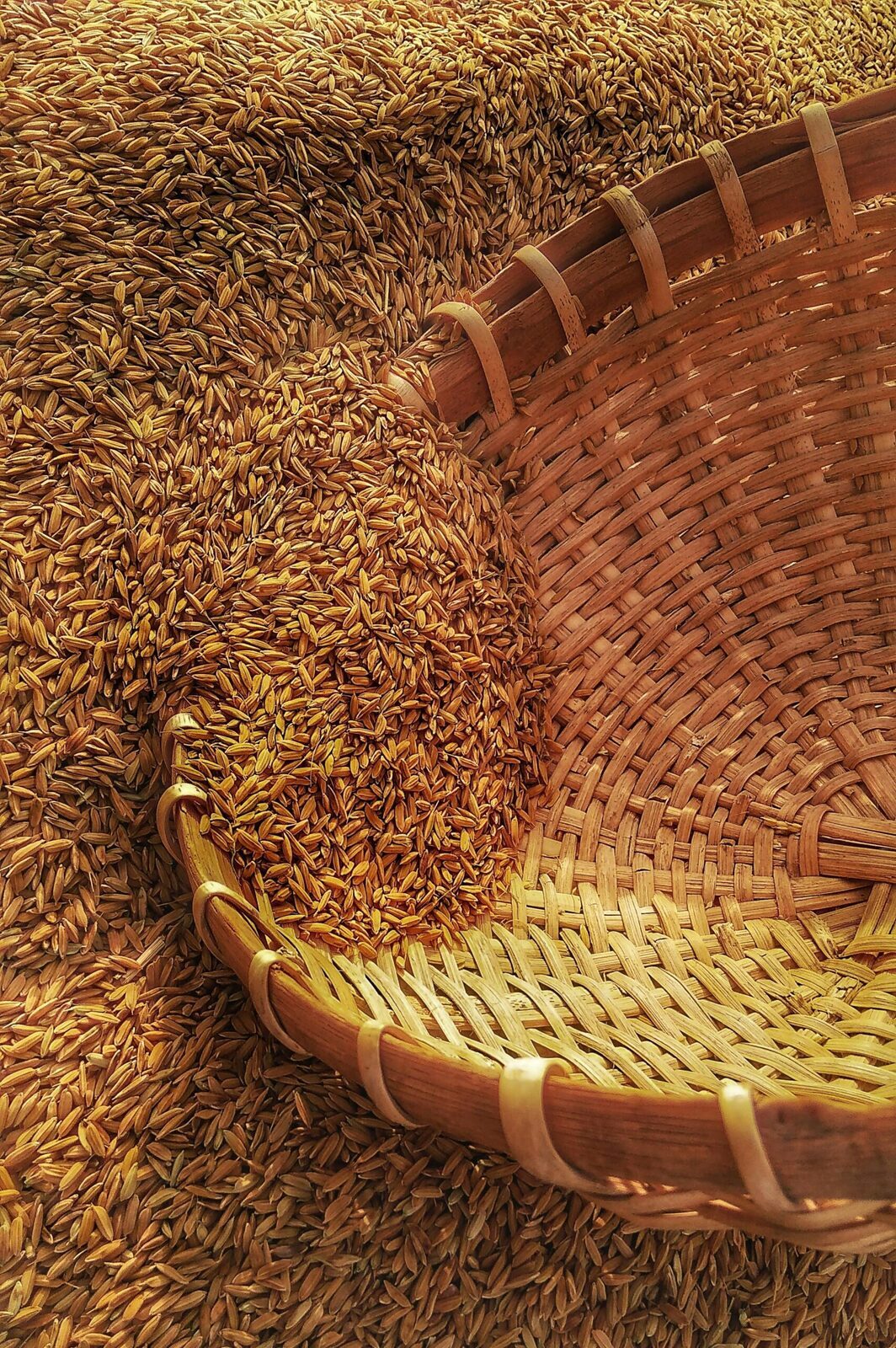
Understanding the Grain: Types and Their Unique Properties
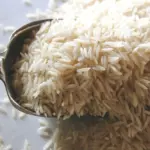
Grain is the cornerstone of cereal milling, and understanding the various types is essential for achieving desired flour characteristics.Each grain possesses unique properties influenced by its species, growing conditions, and processing methods. To categorize these grains effectively, we typically look at their species, color, and kernel structure. For instance, wheat is widely recognized as a staple grain, with diffrent varieties such as hard red, soft red, and durum, each suited for specific milling purposes. corn offers a different profile, with flint and dent varieties providing contrasting textures and flavors, pivotal for different end products.Barley, frequently enough overlooked, plays a crucial role in malt production for brewing, showcasing how each grain can contribute to diverse culinary applications.
When evaluating grains, itS vital to consider their nutritional content, gluten potential, and processing adaptability. The following attributes highlight the distinctions among popular grains:
| Grain Type | Nutritional Benefits | Gluten Content | Common Uses |
|---|---|---|---|
| Wheat | Rich in protein and fiber | High | Baking, pasta |
| Corn | High in carbohydrates, vitamin C | None | tortillas, cornmeal |
| barley | High in fiber, low GI | Low | Malt, soups |
| Rye | Rich in antioxidants | Medium | Bread, crackers |
by grasping the characteristics of each grain type, millers and bakers can refine their techniques to obtain flour that suits their specific needs, be it for artisanal loaves or mass-produced goods. The nuances that each grain brings to the milling process highlight not just the art but the science behind obtaining the perfect grain flour for every recipe imaginable.
The Milling Process: Techniques for optimal Extraction
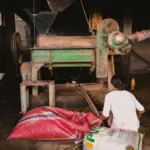
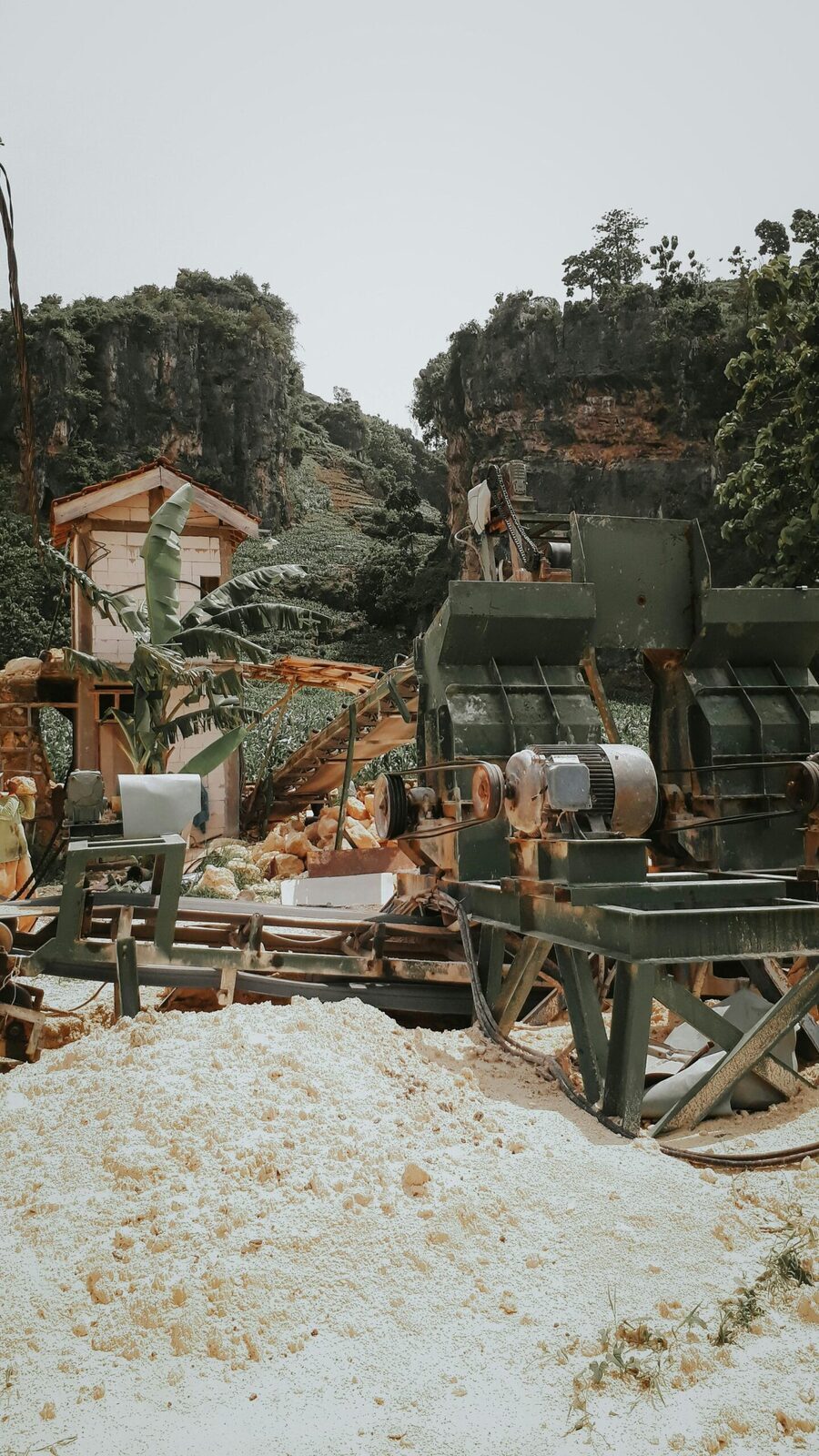
At the heart of cereal milling lies a meticulous orchestration of techniques that aim to unlock the grain’s hidden treasures. Milling isn’t merely about crushing grains; it’s a complex process that encompasses several stages to ensure optimal extraction of the grain’s valuable components. Stone milling, for instance, employs two revolving stones to gently grind the grain, preserving its natural flavor and nutritional values. In contrast, roller milling utilizes a series of steel rollers, wich gradually break down the grain into finer particles, allowing for increased efficiency and fine texture, though sometimes at the expense of some nutrients. Each method serves its purpose, catering to different end products and market demands, illuminating the diverse landscape of flour types available today.
This nuanced process can be broken down into key techniques aimed at achieving the highest quality end products:
- Pre-conditioning: Moistening grains before milling enhances the effectiveness of the extraction.
- Sieving: Separate different particle sizes to achieve uniformity and improve flour quality.
- Tempering: Allow grains to rest with added moisture to facilitate easier milling and greater yield.
- Classification: sort milled products based on granulation,which helps in tailoring specific products for distinct culinary uses.
| Technique | Purpose | Benefit |
|---|---|---|
| Stone Milling | gentle grinding | Preserves flavor and nutrients |
| Roller Milling | Efficient breakdown | Creates fine texture |

Quality Control in Cereal Milling: Ensuring Consistency and Safety
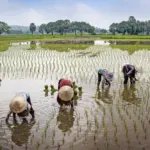
In the intricate dance of cereal milling, where grain transforms into staple food products, quality control emerges as a guardian of consistency and safety. The journey begins at the farm, where practices such as crop rotation and soil health management lay the groundwork for high-quality grain. Once harvested, grain is subjected to rigorous testing for moisture content, pest damage, and foreign matter to ensure it meets the defined standards. Each batch undergoes a meticulous evaluation involving laboratory analysis to check for contaminants and nutritional content. This ensures that only the best grains enter the milling process, setting the stage for a superior product output.
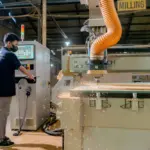
Once milling commences, quality control doesn’t diminish; rather, it becomes a continuous thread woven throughout production. Grain is monitored through various stages, from cleaning and grinding to sifting and packaging. To streamline this process, mills frequently enough implement cutting-edge technology, such as spectroscopy and digital quality sensors. these advancements not only enhance efficiency but also minimize human error. In addition to technological measures,trained personnel conduct regular assessments,often summarized in quality control logs that track the following metrics:
| Quality Metric | Standard Range | Current Batch |
|---|---|---|
| Moisture Content (%) | 12 – 14 | 13 |
| Protein content (%) | 10 – 13 | 11.5 |
| Purity (%) | ≥ 98 | 99.5 |
This systematic and methodical approach not only safeguards the end product but also fortifies trust among consumers who rely on the integrity of their food supply.

Innovations in Milling Technology: Enhancing Efficiency and Sustainability
Advancements in milling technology are revolutionizing the way grains are processed,allowing for a higher degree of efficiency and sustainability in the industry. Cutting-edge machinery features innovations such as smart sensors and automated systems, which monitor parameters in real-time to optimize performance. This not only enhances throughput but also significantly reduces waste during the milling process.By integrating data analytics and predictive maintainance, mill operators can anticipate equipment issues and reduce downtime, creating a smoother production flow that ultimately leads to a more sustainable operation.
Moreover, the push toward eco-friendly practices is leading to the incorporation of renewable energy sources and waste recycling within milling facilities. Innovative technologies like biomass energy systems allow mills to convert byproducts into energy, contributing to a closed-loop system that minimizes environmental impact. Additionally, the growth of high-efficiency grinding techniques reduces energy consumption significantly, ensuring that every grain is processed with minimal ecological footprint. Key benefits include:
- Lower energy costs: enhanced machinery leads to reduced operational expenses.
- Improved product quality: High precision in milling produces superior flour.
- Waste reduction: Efficient processing minimizes leftover materials.
In Retrospect
In the intricate world of cereal milling, the alchemy of nature and technology converges to create a staple that nourishes societies and fuels culinary creativity. As we journeyed through the nuanced processes and historical significance behind milling, it becomes evident that this age-old craft is not merely a means to an end but an art form in its own right. The precision, skill, and innovation culminating in each grain milled remind us of the delicate balance between tradition and modernity. Every flour sack carries with it a story—a testament to the dedication of millers who refine raw grains into the lifeblood of the kitchen. As we close this exploration, we invite you to appreciate the unseen craftsmanship that enriches our daily lives and inspires countless recipes. in mastering the grain, we honor not only the past but also the future of food.So, the next time you reach for flour, consider the journey it undertook, and celebrate the art and science that transforms simple grains into the foundation of our meals.