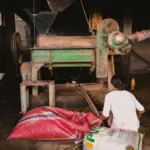
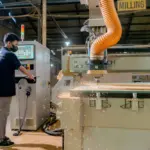
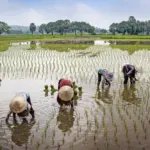
In a world where the humble grain has journeyed from ancient fields to our breakfast tables, the art of cereal milling stands as a testament to human ingenuity and tradition. This intricate dance begins with the selection of grains, each variety imbued with its own unique characteristics, and culminates in a finely crafted product that nourishes millions. but what lies behind the transformation of these seemingly simple seeds into the flours and cereals we rely on? In “Discovering Cereal Milling: The Art of Grain Transformation,” we will delve into the history, techniques, and innovations that define this crucial process. as we explore the machinery and mastery involved, we uncover not just a method of food production, but a rich tapestry of culture and craftsmanship that has evolved over centuries. Join us on this journey to appreciate the artistry behind every spoonful,and to understand how cereal milling has shaped our diets and three meals a day.
Exploring the Historical Journey of Cereal Milling Techniques
The evolution of cereal milling techniques mirrors the advancement of human civilization itself.From ancient stone tools to modern industrial machinery,the journey of grain transformation has been a testament to innovation and adaptability. In early agricultural societies, grains were crushed using simple stones, which required intense labour but yielded nutritious flour. As civilizations progressed, the invention of watermills in ancient Mesopotamia marked a important leap forward, enabling larger quantities of grain to be processed more efficiently. Key milestones in this timeline include:
- Hand Mills (Neolithic Period): Simple tools used by early humans.
- Watermills (1st Century BC): Revolutionized grain processing with renewable energy.
- Windmills (12th Century): Expanded milling capabilities in wind-rich areas.
- Industrial Mills (18th century): mechanization led to mass production and greater accessibility.
In the 19th century, the introduction of roller milling further transformed the industry, allowing for finer flour and greater yield through modern technology. The shift not only simplified the milling process but also improved the quality of flour, leading to new culinary possibilities. Today, milling has become a blend of tradition and technology, utilizing advanced equipment that ensures consistency and efficiency. The following table highlights some prevalent milling methods:
| Milling Method | Description | Primary Benefits |
|---|---|---|
| Stone Milling | Traditional method using stone stones to grind grain. | Preserves natural nutrients and flavors. |
| Roller Milling | Uses cylindrical rollers to crush grain. | Higher efficiency and yields, producing fine flour. |
| Hammer Milling | Employs high-speed rotating hammers to pulverize grain. | Versatile and suitable for various grain types. |

Understanding the Science Behind Grain Processing and Flour Production
The journey from grain to flour is a meticulous process that combines age-old techniques with modern technology.At the heart of this transformation lies the understanding of the grain’s structure.Different grains, such as wheat, corn, and oats, possess unique characteristics that influence their milling. For instance, hard wheat varieties are prized for their high gluten content, making them ideal for bread-making, while soft wheat is preferred for pastries and cakes due to its lower protein levels. Key stages in milling include:
- Cleaning: Removal of impurities and foreign materials.
- Tempering: Conditioning grains to achieve the right moisture content for milling.
- Grinding: Reducing the grain into flour through a series of rollers and sieves.
This transformation not only preserves the nutritional value of the grains but also enhances their baking qualities. the art lies in the attention to detail—each step is critical. One method used in modern milling is the stone milling process, where the grain is crushed instead of being ground. This method can retain more nutrients and create a coarser flour texture that many artisanal bakers prefer. Below is a simple table illustrating the primary functions served during the milling process:
| Process Stage | Purpose |
|---|---|
| Cleaning | Eliminates dirt and impurities |
| Tempering | Adjusts moisture for optimal milling |
| Grinding | Transforms grain into flour |

Innovative Technologies Shaping the Future of Cereal Milling
The cereal milling industry is experiencing a transformative wave, thanks to a variety of cutting-edge technologies that are redefining traditional practices. Automation plays a significant role, streamlining processes and enhancing efficiency. Smart milling systems equipped with real-time monitoring can track grain quality, moisture content, and energy consumption, allowing millers to make informed decisions that reduce waste and optimize production. Moreover, the integration of artificial intelligence and machine learning algorithms enables predictive maintenance, minimizing downtime and prolonging the lifespan of milling equipment.
In addition to automation, sustainability is becoming a focal point in cereal milling. The adoption of biorefinery approaches allows mills to maximize the use of every grain, turning by-products into valuable ingredients. such as, bran and germ can be transformed into high-fiber snacks or plant-based protein sources. The utilization of renewable energy sources within milling facilities not only cuts costs but also reduces carbon footprints. With these innovative technologies, the future of cereal milling promises not just efficiency, but also a commitment to environmental stewardship and resource optimization.
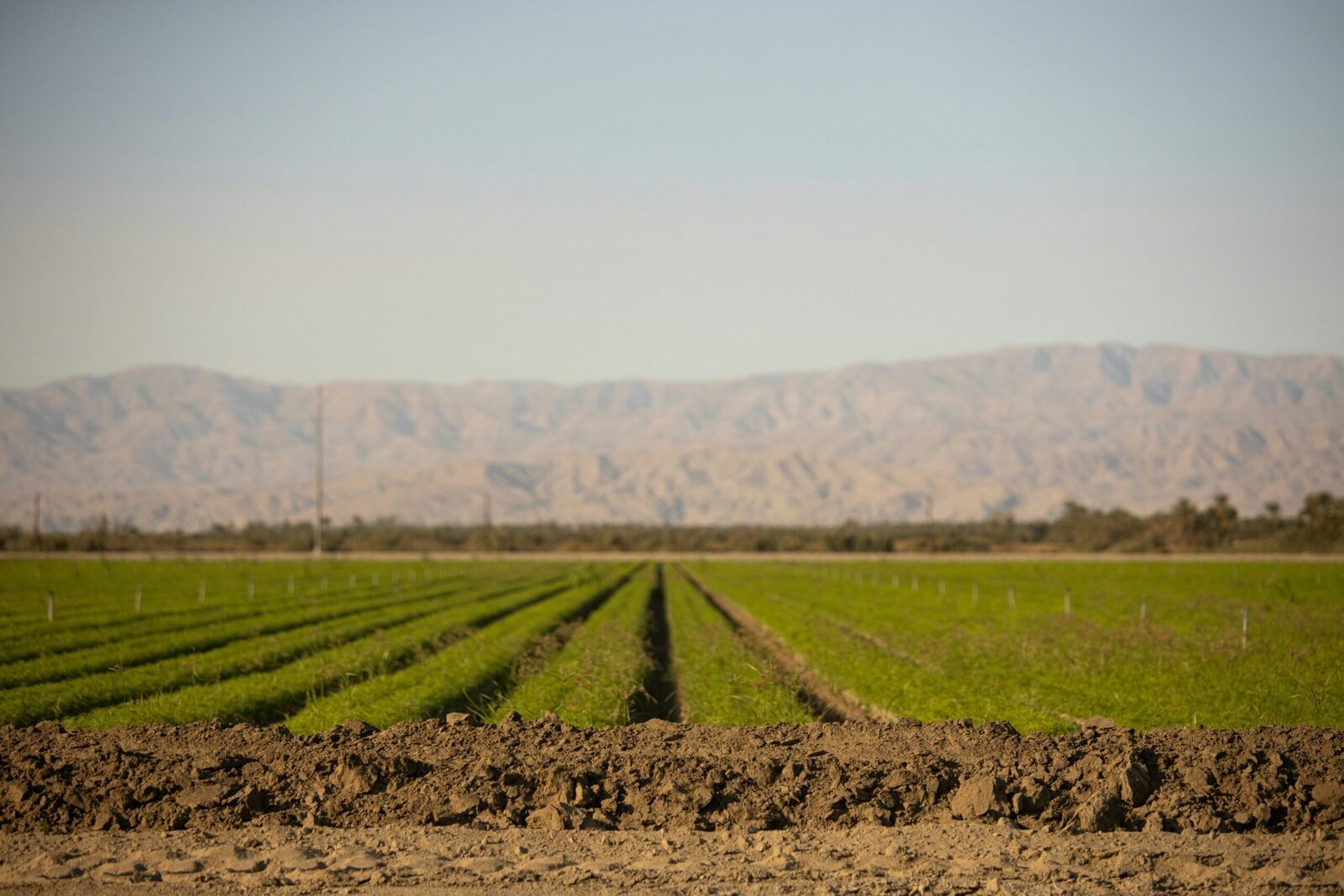
Sustainable Practices in the Milling Industry for Environmental Stewardship
The milling industry is embracing sustainable practices that not only transform grains into nutritious products but also foster a healthy environment. By implementing technologies that minimize waste and energy consumption, mills are setting a benchmark for ecological duty. Some of the noteworthy approaches include:
- Energy Efficiency: Utilizing renewable energy sources such as solar and wind power to reduce reliance on fossil fuels.
- Water Conservation: Incorporating advanced filtration systems and recycling processes to limit water wastage.
- Waste Management: Converting by-products into animal feed or biogas, thus ensuring that nothing goes to waste.
moreover, the integration of eco-amiable practices extends to sourcing and production processes, promoting local agriculture and reducing carbon footprints. Mills increasingly prioritize purchasing organic grains from farmers who engage in sustainable land management. This creates a closed-loop system benefiting both producers and consumers. The results of these initiatives can be seen in the following table, which illustrates the impact of adopting sustainable practices:
| initiative | Impact |
|---|---|
| Energy Reduction Program | 30% less energy consumption |
| Water Recycling System | 50% reduction in water usage |
| Local Sourcing | 25% lower carbon emissions |
Closing Remarks
As we conclude our journey through the intricate world of cereal milling, it becomes clear that this age-old craft is much more than the simple grinding of grain. It is a harmonious blend of science and art, tradition and innovation. Each phase, from selecting the finest grains to the delicate balancing of moisture and temperature, reveals the dedication and expertise of millers who transform raw essentials into the flour that nourishes our daily lives.
In uncovering the secrets behind cereal milling, we have glimpsed the profound relationship between nature and human ingenuity. the next time you savor a warm loaf of bread or enjoy a bowl of your favorite cereal, remember the meticulous journey these grains have taken—from field to mill, and ultimately to your table.As the world continues to evolve,the art of grain transformation embraces both heritage and technological advancement,ensuring that this vital practise remains relevant for generations to come.With every bite, we celebrate not just the end product, but the rich tapestry of history and craftsmanship woven into every grain. So, let us appreciate the unsung heroes of this process—the millers and farmers—who dedicate their lives to sustaining our connection to the earth, one kernel at a time.