
In the lush landscapes of rural agriculture, where golden fields sway gently in the breeze, one grain stands as both sustenance adn symbolism: rice.This staple food has nourished civilizations for millennia, weaving itself into the culinary and cultural fabric of societies across the globe. Yet, behind the rhythmic process of planting and harvesting lies an intricate network of industry and innovation, with rice mills playing a pivotal role. In “Grains of Prosperity: The Role of Rice Mills in Farming,” we explore how these mills not only transform raw grains into market-ready products but also serve as vital engines for economic growth in farming communities. From enhancing crop value to fostering local employment, rice mills bridge the gap between agricultural production and consumer demand, cultivating an ecosystem of prosperity that supports farmers and sustains families. Join us as we delve into the profound impact of these unsung heroes of the agricultural realm, illuminating their importance far beyond the fields.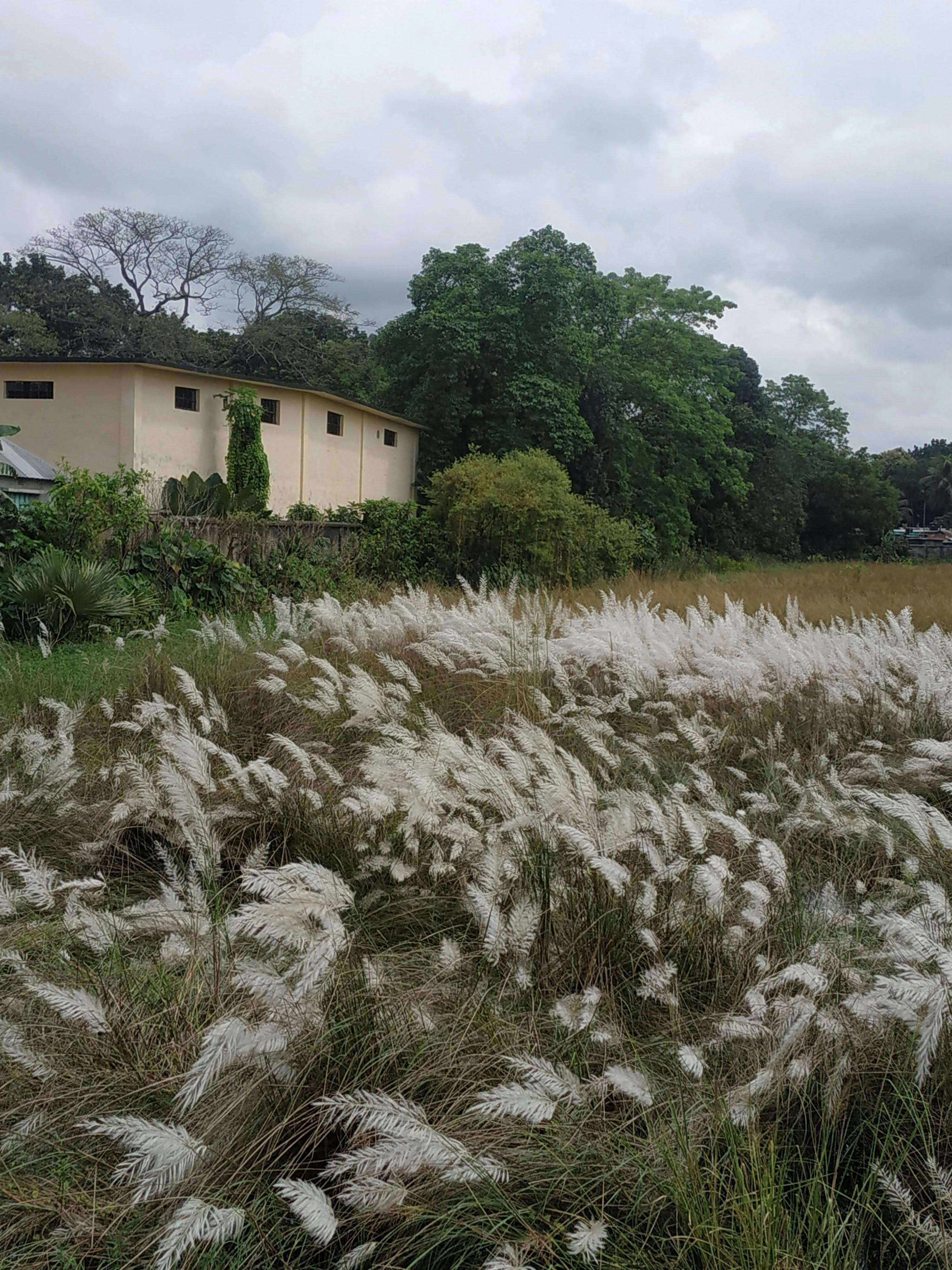
Understanding the Fundamental Impact of Rice Mills on Local Economies
Rice mills serve as critical nodes within local economies, acting not only as processing centers but also as catalysts for economic advancement.The presence of a rice mill can lead to increased income for farmers, enabling them to sell their harvested paddy at optimized prices. With direct access to processing facilities, farmers can enjoy benefits such as:
- Enhanced Market Access: By milling their rice locally, farmers reduce transportation costs and time, allowing them to engage more directly with local and regional markets.
- Job Creation: Rice mills frequently enough employ a meaningful number of local residents, from machine operators to administrative staff, contributing to community livelihood.
- Investment in Infrastructure: The establishment of rice mills can lead to improvements in community infrastructure, including roads and utilities, driven by increased economic activity.
The economic ripple effects of rice mills extend beyond individual farmers. By contributing to a robust agricultural supply chain, these mills foster relationships among various stakeholders, including suppliers, distributors, and retailers. Effective collaboration can significantly elevate local economies by:
- Encouraging Local Entrepreneurship: Successful rice milling operations can inspire other agribusiness ventures, thereby diversifying the local economy.
- Stabilizing Prices: Local mills can help stabilize rice prices by mitigating the effects of market volatility, ensuring a fair return for producers.
- Boosting Trade: Mills can facilitate the export of processed rice, opening up new markets and increasing foreign exchange earnings.
| Benefit | Impact |
|---|---|
| Job Creation | Employment opportunities for local residents |
| Infrastructure Development | Improved roads and utilities |
| Market Stability | Reduced price fluctuations for farmers |
Enhancing Crop Value: How Modern Technology Transforms Traditional Milling
In the ever-evolving landscape of agriculture, traditional milling practices are undergoing a significant metamorphosis, thanks to advancements in modern technology. By integrating state-of-the-art machinery and digital solutions, rice mills are not only improving efficiency but also enhancing the quality and nutritional value of the grains produced. These innovations enable mill operators to monitor and optimize their processes, ensuring that every grain is milled to perfection, while reducing waste and energy consumption.
Modern rice milling techniques bring with them a myriad of benefits, including:
- Precision milling: Advanced machinery allows for precise adjustments, maximizing the yield of whole grains and minimizing broken rice.
- Quality assurance: Digital sensors and AI technology provide real-time data analytics to maintain consistent quality standards.
- Eco-friendly operations: New technologies prioritize sustainability, reducing carbon footprints and conserving resources.
Furthermore, with the help of digital marketplaces and mobile apps, farmers are now finding new avenues to market their products directly from the mill. This creates a more transparent supply chain and ensures that the economic benefits of rice production reach the farmer.
| Technology | Benefit |
|---|---|
| AI Quality Control | Consistent grain quality monitoring |
| energy-Efficient Machinery | Reduced operational costs and environmental impact |
| Data Analytics | Informed decision-making for mill operators |
Sustainable Practices in Rice Milling: Balancing Profit and Environmental Stewardship
In the quest for profitability, rice mills face the challenge of maintaining environmental integrity. Adopting sustainable practices not only enhances operational efficiency but also builds a reputation as responsible players in the agricultural sector. By integrating eco-friendly technologies, mills can reduce their energy consumption, minimize waste, and promote healthier farming ecosystems.Some common sustainable practices include:
- Water Recycling: Utilizing advanced water treatment facilities to recycle water used during the milling process.
- Waste Management: Converting rice husks and by-products into bioenergy or compost to enrich soil quality.
- Renewable Energy Sources: investing in solar panels or wind turbines to decrease reliance on fossil fuels.
Incorporating such strategies not only drives down costs but also aligns the milling process with broader environmental goals. Leading rice mills increasingly adopt thorough practices that support local farmers while enhancing crop production sustainability. Below is a simplified model showcasing the positive impacts of sustainable rice milling:
| Impact | Effect |
|---|---|
| Reduced Carbon Footprint | Lower greenhouse gas emissions from energy-efficient processes |
| Improved Soil Health | Using organic waste enhances nutrient levels in the soil |
| Community Engagement | Local partnerships foster a sense of responsibility and investment |
Empowering Farmers through Collaboration: Building Stronger Communities around Rice Production
In the heart of rice-producing regions,collaboration among farmers has emerged as a transformative force,fostering resilience and sustainability. By working together, farmers can share resources, knowledge, and strategies that enhance productivity and profitability. through cooperative initiatives,they not only increase their bargaining power but also access a wider range of services,such as:
- joint purchasing of seeds and fertilizers,reducing costs.
- Collective marketing efforts to reach broader markets.
- Shared training programs focusing on sustainable agricultural practices.
This synergy creates a robust support network, enabling farmers to navigate the challenges of the agricultural landscape more effectively.
Moreover, rice mills play a vital role in this collaborative framework, serving as crucial links between farmers and markets.By facilitating direct access to milling facilities, these mills ensure that quality rice reaches consumers while offering farmers better prices for their harvests. Some key contributions of rice mills include:
- Providing technical assistance and training to improve rice quality.
- Implementing fair trade practices that benefit local producers.
- Creating job opportunities within communities, further strengthening local economies.
As these entities work hand-in-hand, they cultivate not just crops, but a sense of community and empowerment that drives progress and prosperity for all involved.
Final Thoughts
As we reach the conclusion of our exploration into the world of rice mills and their profound impact on farming, it becomes evident that these industrious hubs of production are more than mere processors of grain; they are pivotal players in the narrative of agricultural prosperity.the journey of a humble rice grain, from its cultivation in sun-kissed fields to its conversion in the rhythmic dance of milling machinery, encapsulates a story of resilience, innovation, and community.
In the tapestry of global agriculture, rice mills weave together the delicate threads of tradition and modernity, ensuring that the fruits of the earth not only nourish bodies but also sustain livelihoods. As farmers cultivate their land with hope and dedication, rice mills serve as vital pillars that bolster economic growth and food security.Their role extends beyond the confines of processing; they empower farmers with access to new markets and opportunities, fostering an ecosystem where growth is a shared endeavor.
Looking ahead,embracing sustainable practices and technological advancements within the rice milling sector will be crucial in meeting the challenges of an ever-evolving agricultural landscape. As we reflect on the meaning of rice mills in the larger agricultural framework, let us appreciate these institutions as not only facilitators of grain but as architects of prosperity, nurturing the future of farming one grain at a time. in this intricate dance of supply and demand,the legacy of rice production lingers on,promising nourishment for generations to come.



