
Unlocking Efficiency: The Role of Combined Rice Mills Today
In the heart of agriculture, where tradition meets innovation, a silent revolution is taking place that could reshape food production systems around the globe.As populations swell and the demand for sustainable practices intensifies,the spotlight turns to combined rice mills—an ingenious fusion of technology and tradition that is redefining efficiency in rice processing. These multifaceted facilities not only maximize output but also preserve quality and minimize waste, responding to the challenges of modern farming wiht a holistic approach. In this article, we will explore how combined rice mills stand at the crossroads of agriculture and industry, unlocking new potentials for food security and economic resilience in an ever-changing world. Join us as we delve into the mechanisms, benefits, and future implications of this essential yet often overlooked cornerstone of the agricultural landscape.
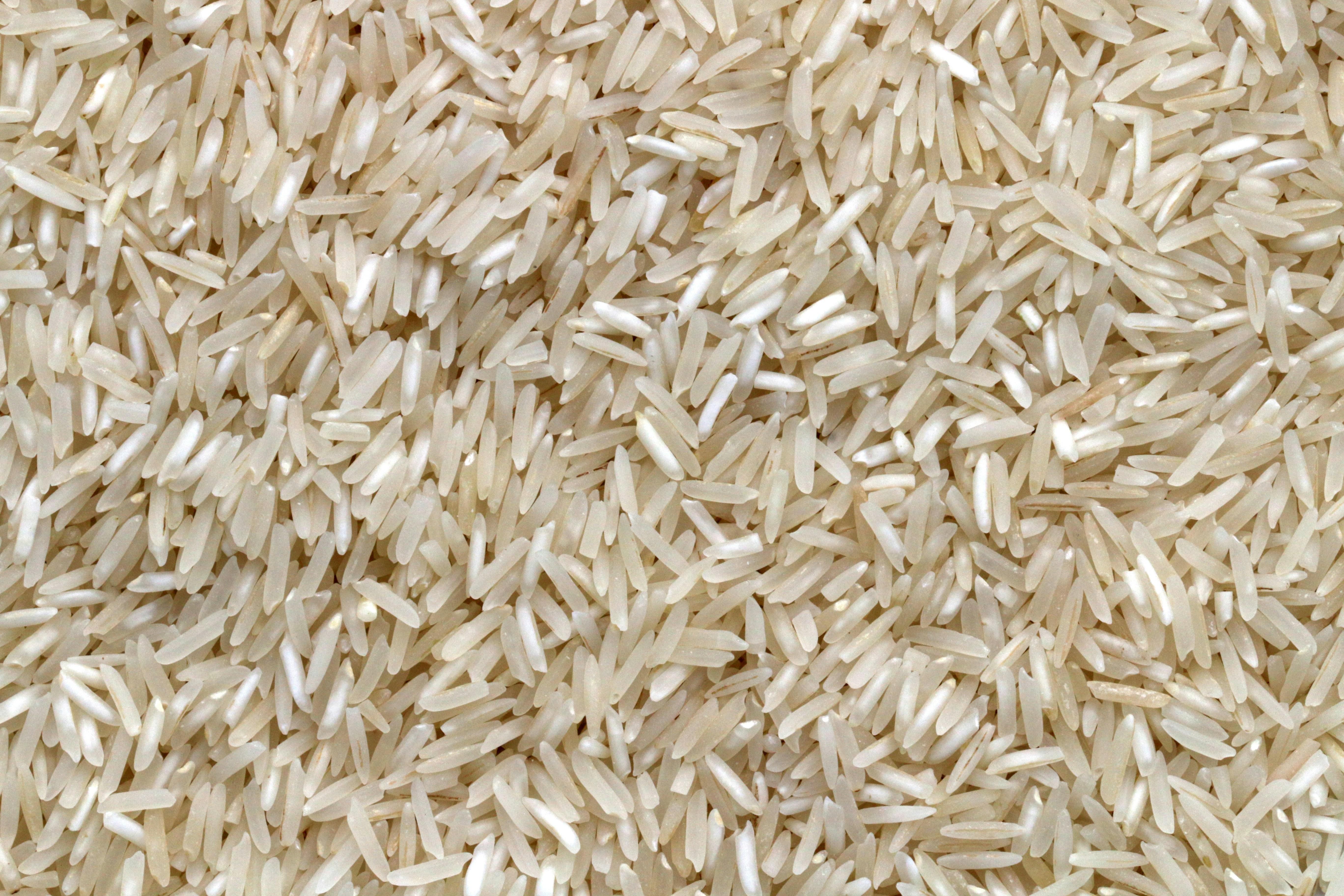
Understanding the Modern Landscape of Rice Milling
The contemporary rice milling industry has undergone a remarkable transformation, embracing technological advancements to improve processing efficiency and product quality. With the advent of combined rice mills, producers can now streamline operations by integrating multiple stages of milling into a single machine. This integration not only simplifies the workflow but also reduces the physical footprint required for processing facilities. Benefits of combined rice mills include:
- Increased Efficiency: By consolidating milling processes, these machines minimize downtime and enhance throughput.
- Consistent Quality: Advanced technologies ensure uniform milling, resulting in higher quality rice with better husking and polishing.
- Reduced Labor Costs: Automation reduces the need for manual intervention, leading to notable labor cost savings.
Moreover, modern rice mills are equipped with smart technologies that harness data analytics and machine learning to enhance operational performance. This not only aids in predicting maintenance needs but also optimizes resource allocation, ultimately leading to sustainable practices within the industry. Common features of these advanced mills include:
| Feature | Description |
|---|---|
| Digital Monitoring | Real-time tracking of production metrics for improved decision-making. |
| Energy Efficiency | Innovative designs that minimize energy consumption during processing. |
| Modular Design | ability to scale operations to meet demand without extensive renovations. |

Enhancing Production through Technological Innovations
The advent of advanced technology has revolutionized the way we approach rice milling, leading to improved efficiency and productivity in the industry. Combined rice mills, which integrate multiple processes into a single unit, are at the forefront of this transformation.By harnessing innovations such as automation, real-time monitoring, and advanced milling techniques, these mills not only streamline operations but also enhance the quality of the final product. Key advantages include:
- Increased Output: Automated systems can process larger quantities of rice in less time.
- Consistent Quality: Precision technology ensures uniformity in milling, leading to higher grade rice.
- Reduced Waste: Efficient milling minimizes grain loss, optimizing raw material usage.
- Sustainability: Energy-efficient machines contribute to environmentally friendly production.
In analyzing the impact of these technological advancements, it becomes evident that combined rice mills not only serve immediate production needs but also set the stage for future growth. The integration of smart technologies, such as AI-driven analytics and IoT connectivity, allows for real-time data collection and processing adjustments. This level of flexibility fosters better resource management and predictive maintenance, reducing operational costs. Consider the following improvements observed in mills that have adopted these cutting-edge solutions:
| Betterment Category | Before Technology | after Technology |
|---|---|---|
| Production Rate | 1 ton/hour | 3 tons/hour |
| Grain Loss | 15% | 5% |
| Energy Consumption | 500 kWh/ton | 300 kWh/ton |
As these metrics demonstrate, embracing technology in rice milling paves the way for enhanced productivity, greater economic viability, and a commitment to sustainable practices that resonate with today’s ecological concerns. In an era where every grain matters, the forward-thinking nature of combined rice mills stands out as a beacon of progress.
Sustainable Practices in Combined Rice Mills
In an era defined by environmental consciousness, combined rice mills are increasingly adopting sustainable practices to enhance their operational efficiency while minimizing ecological impact. these mills are now integrating innovative technologies that optimize resource utilization and reduce waste. For instance, the adoption of solar energy systems significantly decreases reliance on fossil fuels, allowing rice mills to operate with cleaner energy. Additionally, water recycling systems are being implemented to ensure that every drop is used efficiently, which is crucial given the high water demand of rice production. As a result, mills can not only improve their economic viability but also contribute to the preservation of local water resources.
Moreover, sustainable practices extend beyond energy and water management. manufacturers are increasingly focused on waste reduction strategies, turning by-products into valuable resources.For example, rice husks can be processed into biofuel or used as organic fertilizer, creating a circular economy within the rice milling process. The following points highlight some of these key sustainable practices:
- Biomass utilization: recycling waste into energy.
- eco-friendly packaging: Using biodegradable materials.
- Crop rotation: Maintaining soil health and diversity.
Strategies for Maximizing Profitability and Efficiency
In today’s competitive market, optimizing profitability and efficiency within combined rice mills requires a multifaceted approach. Implementing lean manufacturing techniques can significantly reduce waste and streamline operations. This includes techniques such as:
- Identifying and eliminating non-value-added activities
- Using just-in-time inventory systems to minimize storage costs
- Investing in employee training to enhance skills and productivity
Moreover, embracing technology plays a critical role. By integrating automated systems and data analytics, mills can monitor production metrics in real-time, facilitating better decision-making. Key strategies include:
- Utilizing IoT sensors to track equipment performance and predict maintenance
- Adopting software solutions that optimize supply chain management
- Implementing quality control systems to ensure consistency and reduce spoilage
| Strategy | Benefit |
|---|---|
| Lean Manufacturing | Minimizes waste |
| Automated Systems | Increases efficiency |
| Data Analytics | informs decision-making |
To Conclude
As we draw the curtain on our exploration of combined rice mills, it becomes evident that these modern marvels stand at the intersection of tradition and innovation. Their ability to streamline processes,enhance productivity,and reduce waste not only transforms the rice production landscape but also supports farmers and communities striving for sustainability. In an era where efficiency is paramount, combined rice mills symbolize a vital adaptation, embracing technologies that honor the age-old practices of rice cultivation while paving the way for future advancements. As we continue to unlock new levels of efficiency, these mills will undoubtedly play a pivotal role in shaping the industry, ensuring that the journey from paddy to plate remains both impactful and sustainable. Embracing this evolution invites us all to envision a future where agriculture thrives, harmonized with the rhythms of nature and the demands of a growing world.



