
Unlocking Quality: The Essential guide to Rice Processing Gear
In a world where culinary traditions are cherished and sustainability is paramount, the journey from paddy field to dinner plate hinges on the quality of the rice we consume. At the heart of this journey lies an often-overlooked aspect: rice processing gear. essential for transforming raw grains into the glossy, flavorful rice we adore, these tools and machines play a pivotal role in preserving quality and enhancing nutritional value. In this guide, we will explore the innovations and technologies that revolutionize rice processing, empowering producers to unlock the full potential of this staple grain. Whether you’re a farmer seeking efficiency, a processor aiming for excellence, or a culinary enthusiast curious about the intricacies behind your favorite dish, this article will unravel the secrets of rice processing gear, illuminating the path to superior quality and taste.
Choosing the Right Equipment for Optimal Rice Milling Efficiency
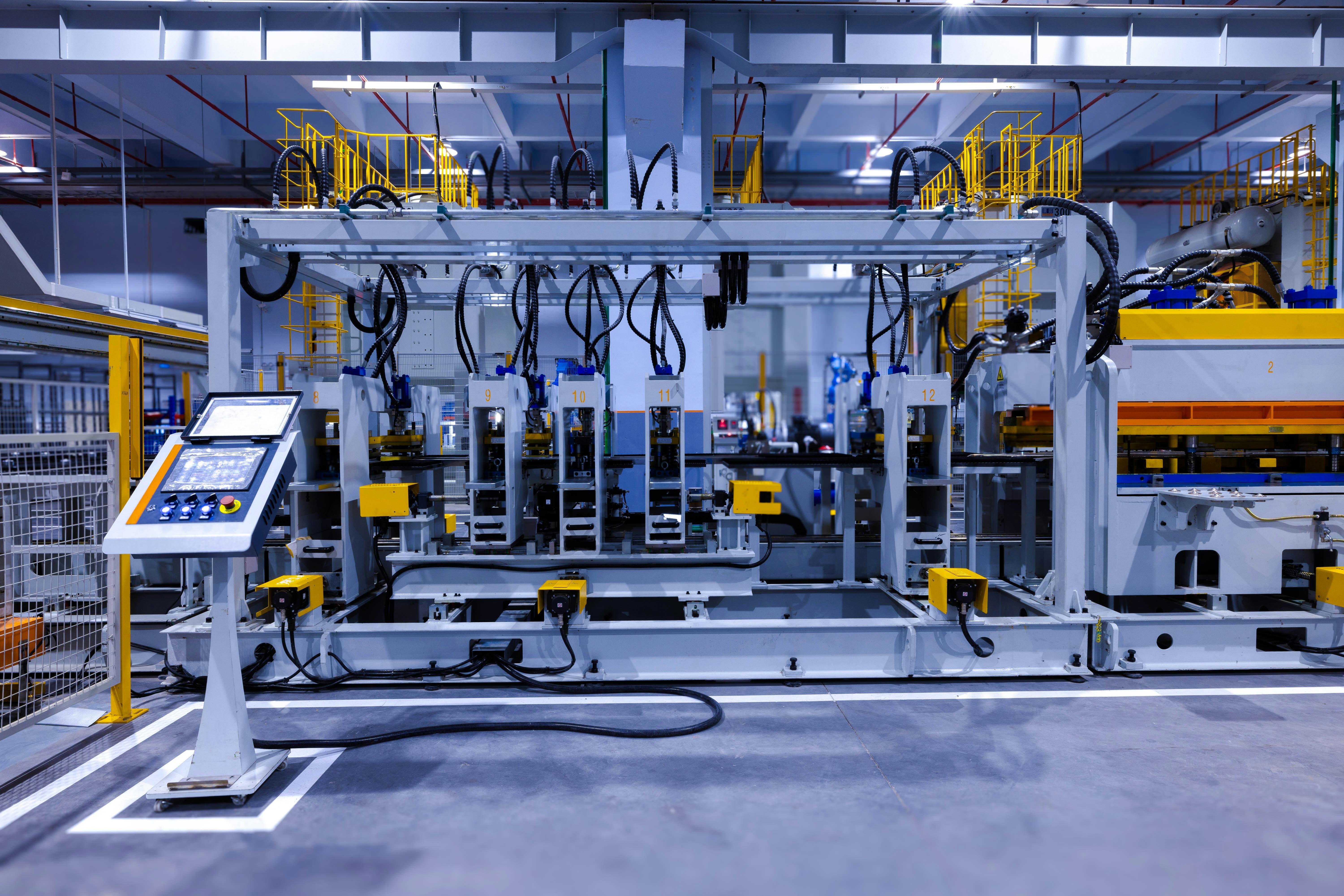
When it comes to rice milling, selecting the right equipment is crucial in optimizing both efficiency and output quality. The primary machinery involved in the process includes a combination of hulling, milling, and polishing machines. Each participating piece of equipment should be evaluated based on key factors such as production capacity, energy efficiency, and maintenance requirements.Additionally, consider options that integrate multiple functions—this can reduce operational costs and streamline workflow. Investing in advanced technologies like automated sensors or real-time monitoring systems can further enhance the performance and yield of your milling operation.
One effective approach to determining the best equipment involves analyzing the specific needs of your operation. Start by listing the essential components that influence your processing line:
- Quality of Output: Choose equipment that minimizes broken rice and maximizes yield.
- Ease of Use: Ensure machinery can be operated and maintained without extensive training.
- Adaptability: Look for options that can handle various rice types and sizes.
- Parts Availability: Opt for brands that provide easy access to spare parts and technical support.
To help visualize your options, consider the following table for a rapid comparison of common rice milling machines:
| Machine Type | Key Features | Ideal Capacity |
|---|---|---|
| Huller | Removes husk, enhances grain quality | 1-2 tons/hour |
| Milling Machine | Grinds rice efficiently, adjustable settings | 500 kg-2 tons/hour |
| Polisher | Improves external appearance, reduces breakage | 1-1.5 tons/hour |
By focusing on these considerations, you enhance the likelihood of selecting equipment that complements your operational goals, leading to improved rice quality and overall productivity.
Essential Features to Consider in Rice Processing Machinery
When selecting rice processing machinery, its crucial to evaluate several key features to ensure efficiency and quality. First and foremost, consider the capacity of the machines; this refers to the volume of rice the machinery can process in a given timeframe. Durability is another vital aspect—machines made from high-quality materials can withstand the rigors of operation and reduce the likelihood of breakdowns. Energy efficiency is also paramount, as it contributes to lower operational costs while minimizing environmental impact.
Maintenance requirements should not be overlooked; machinery that is easy to clean and service will save time and resources. Additionally, ensure that the equipment supports versatility, allowing for adjustments to process different rice varieties or meet various market demands. look for technological integration, such as automated controls and monitoring systems, which enhance precision and output consistency. Here’s a quick glimpse of some essential features:
| Feature | Description |
|---|---|
| Capacity | Processes large quantities of rice efficiently. |
| Durability | built from robust materials for longevity. |
| Energy Efficiency | Minimizes power consumption. |
| Maintenance | Easy to clean and repair. |
| Versatility | Can handle various rice types. |
| Tech Integration | Automated systems for improved processing. |
Maintenance Practices to Enhance Longevity of Rice Processing Gear
To ensure the longevity of your rice processing gear, it is crucial to adopt a series of maintenance practices that not only preserve functionality but also enhance the overall output quality. Investing time in regular inspections helps in diagnosing potential issues before they escalate. Key activities to incorporate into your maintenance routine include:
- Daily Cleaning: Remove rice dust and debris from machinery surfaces.
- Lubrication: Regularly apply appropriate lubricants to moving parts to minimize friction and wear.
- Check belts and Chains: Inspect and adjust tension, replacing worn or damaged components as necessary.
- Monitor Operating Temperatures: Use thermometers to keep track of machine heat, preventing overheating.
In addition to basic upkeep, it’s beneficial to implement a structured maintenance schedule. This can help in planning downtime and minimizing disruption during peak production. Here’s a simple table to outline a recommended maintenance cycle:
| Maintenance Task | Frequency | Responsible Person |
|---|---|---|
| Visual Inspection of Equipment | Weekly | Operators |
| Lubrication of Moving Parts | Bi-Weekly | Technician |
| Full Equipment Overhaul | Quarterly | Maintenance Team |
| Worn Component Replacement | As Needed | Technician |
By adhering to these practices and schedules, you can significantly improve the durability and performance of your rice processing equipment, allowing for a more efficient and error-free production process.
Innovations in Rice Processing Technology for Improved Quality
Advancements in rice processing technology have revolutionized the way we cultivate and handle this staple crop, ultimately enhancing the quality of the final product.Modern processing facilities incorporate *automated milling systems*, which ensure a consistent texture and flavor while minimizing grain breakage. Essential innovations include:
- Precision Grading Systems: Automated grading tools allow for the sorting of rice based on size and weight, ensuring uniform quality in each batch.
- Optical Sorters: Utilizing advanced imaging technology, these machines detect and remove impurities and discolored grains, boosting overall quality.
- Enhanced Parboiling Techniques: New methods improve the parboiling process,increasing nutrient retention and enhancing the aroma of the rice.
Moreover,advancements in dehydration and storage technologies play a crucial role in maintaining rice quality post-harvest. By employing climate-controlled storage systems, producers can drastically reduce the risk of spoilage, pests, and contamination. A summary of key innovations includes:
| Innovation | Benefits |
|---|---|
| Smart Sensors | Real-time monitoring of moisture levels to prevent spoilage. |
| Energy-Efficient Dryers | Faster drying with lower energy costs. |
| Cold Chain Logistics | Maintains optimal conditions throughout transportation. |
Key Takeaways
As we reach the end of our exploration into the intricate world of rice processing gear, it becomes clear that the journey of rice from field to plate is as notable as the grain itself. investing in the right machinery is not just a matter of efficiency; it’s about preserving quality, maximizing yield, and ultimately honoring the centuries-old traditions tied to this staple food. By understanding the essential tools and their functions, processors can enhance their operations and provide consumers with the best possible product.
as you continue to navigate your rice processing endeavors, remember that every decision you make, from selecting the ideal equipment to implementing best practices, plays a vital role in the final outcome. May this guide serve as a foundation upon which you can build a resilient and thriving rice processing operation. Here’s to unlocking quality, one grain at a time.



