
Transforming Grains: The Innovative world of Rice Processing
In a world where culinary traditions and technological advancements intertwine, rice stands as a cornerstone of global sustenance, feeding billions and transcending cultural boundaries. Yet, behind the humble grain lies a dynamic landscape of innovation, where customary techniques meet cutting-edge processing technologies. From the lush paddies of Asia to the rolling fields of the Americas, the journey of rice from harvest to table is an unusual tale of transformation and ingenuity. This article explores the multifaceted world of rice processing, revealing how modern methods enhance quality, sustainability, and nutritional value, while also spotlighting the age-old practices that continue to shape our relationship with this staple food.Join us as we delve into the intricate processes that breathe new life into rice, unlocking its potential to adapt to the ever-evolving demands of a diverse and growing global palate.
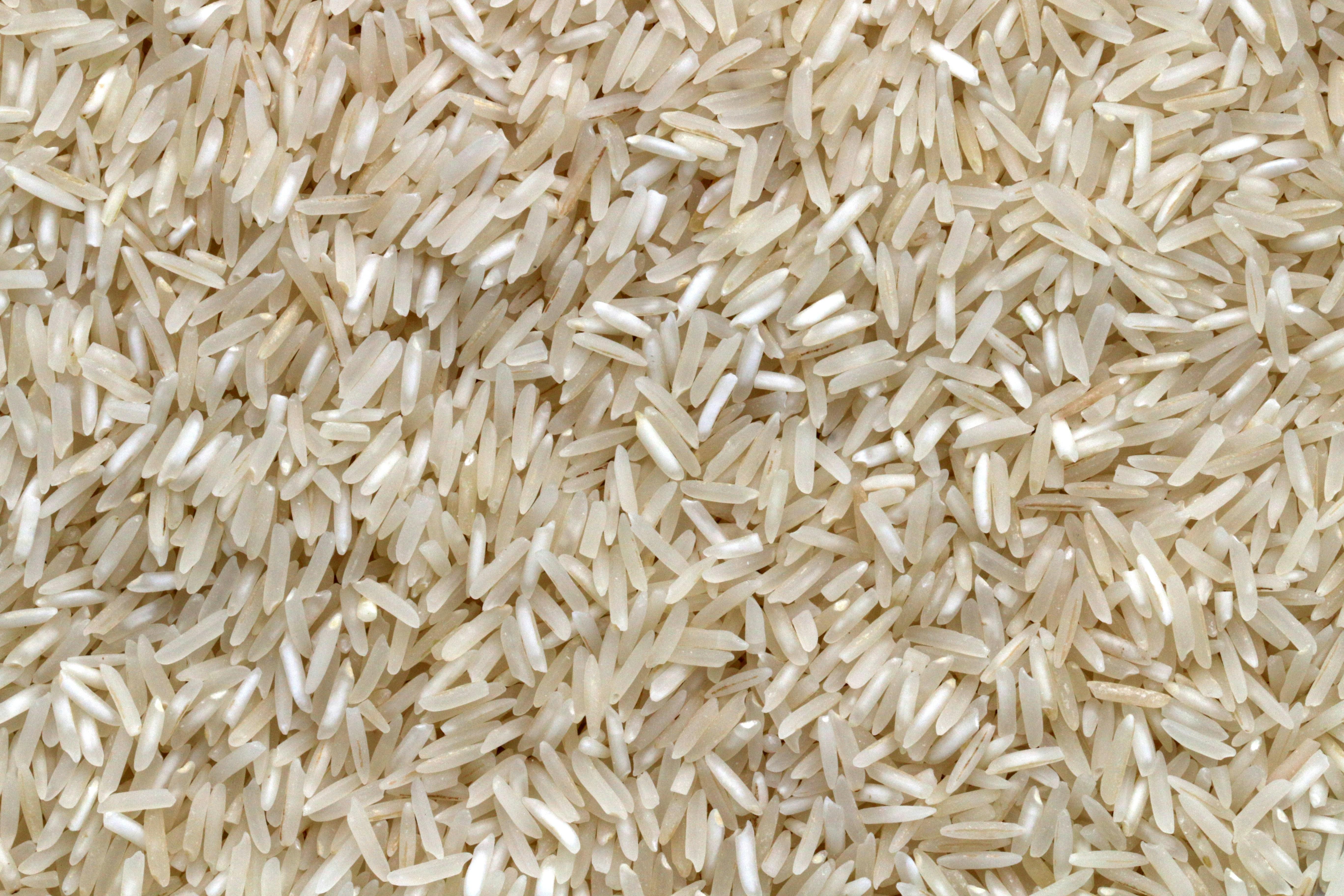
Exploring the Evolution of Rice Processing Techniques
The journey of rice processing has undergone a remarkable transformation, marked by the integration of technology and traditional methods.In ancient times, the labor-intensive approach involved manual tools like pestles and mortars to mill rice, a method that not only demanded immense physical effort but also varied in effectiveness. However, with the advent of mechanization in the 19th and 20th centuries, rice processing began to shift dramatically. Modern practices now utilize sophisticated milling machines that ensure higher yields and reduced processing times, paving the way for more consistent quality in rice products. This evolution has also allowed for improved automation,which minimizes human labor and maximizes productivity in rice milling facilities worldwide.
today’s rice processing techniques emphasize sustainability and efficiency. The introduction of eco-friendly milling systems, which recycle water and energy, has become a focal point in the industry. Additionally, innovations such as parboiling have emerged, enhancing the nutritional value of rice and extending shelf life. Moreover, the exploration of biotechnology promises to revolutionize rice processing even further, as scientists work to develop varieties that require less processing and can thrive in challenging environments. These advancements not only support the agricultural community but also cater to a growing consumer demand for healthier, sustainably produced food options.
| Technique | description | Benefits |
|---|---|---|
| Traditional Milling | Manual process using pestles and mortars. | Maintains traditional flavors but can be inconsistent. |
| Modern mechanical milling | Utilizes advanced machinery for high efficiency. | Higher yield, reduced time, better quality control. |
| Parboiling | Soaking and steaming rice before milling. | Enhances nutrition and shelf life. |
| Enduring Practices | Recycling water and energy in processing. | Environmentally friendly and cost-effective. |

Enhancing Nutritional Value through Advanced Milling Methods
In the quest for healthier eating habits, advanced milling methods are revolutionizing how we process grains, especially rice. Traditional milling techniques frequently enough strip away essential nutrients found in the outer layers of grains, leading to a loss of their natural health benefits. Innovative milling processes emphasize retaining bran and germ layers, which are rich in vitamins, minerals, and fiber. This not only enhances the nutritional profile of rice but also transforms it into a functional ingredient that can contribute to overall wellness.
Among the notable methods is high-pressure milling, which minimizes the loss of nutrients while improving the texture and taste of the final product. Other advancements include the use of multi-pass milling systems that allow for precise control over the grain’s end quality.This multifaceted approach results in rice that is not only rich in essential nutrients but also appealing to a broader audience. Consumers benefit from rice that not only fills the stomach but also nourishes the body—making it an ideal staple for modern diets.
| Milling Method | Nutritional Benefit | Texture Enhancement |
|---|---|---|
| High-Pressure Milling | Retains bran and germ | Enhances smoothness |
| Multi-Pass Milling | Improves fiber content | Increases fluffiness |
Sustainable Practices in rice Processing for environmental Impact
In the realm of rice processing, sustainability is no longer a mere buzzword; it has become a guiding principle for manufacturers seeking to minimize their environmental footprint. Innovative practices are being adopted to optimize resource usage and reduce waste. As an example, techniques such as water-efficient milling not only enhance the quality of milled rice but also substantially decrease water consumption. Furthermore, leveraging renewable energy sources, like biomass generated from rice husks, powers processing facilities, allowing them to operate sustainably while cutting down on reliance on fossil fuels.
Additionally,the implementation of closed-loop systems in rice processing facilities plays a pivotal role in promoting sustainability. These systems recycle water and materials, ensuring minimal discharge of pollutants into the surroundings. Key strategies include:
- Utilizing waste by-products for animal feed or organic fertilizers
- Investing in energy-efficient machinery to lower overall energy consumption
- Implementing eco-friendly packaging solutions to reduce plastic use
Through these methods, the rice industry is not only enhancing its operational efficiency but also taking notable steps toward a greener future.
Technological Innovations Shaping the Future of Grain Transformation
In the realm of rice processing, technological innovations are revolutionizing how grains are transformed from farm to table. Advanced milling machinery, equipped with precision sensors and AI algorithms, are now capable of optimizing every stage of the milling process. This not only enhances the efficiency of grain separation but also reduces waste,resulting in a higher quality product. Moreover, the integration of automation and robotics within processing facilities streamlines operations, enabling millers to respond swiftly to market demands while ensuring consistent product quality. The advent of cloud-based analytics allows for real-time monitoring and data-driven decision-making,empowering processors to fine-tune their workflows and optimize resource use.
Moreover, breakthroughs in biotechnological methods are reshaping the genetics of rice, paving the way for varieties that are more resilient to diseases and climate fluctuations. Genetic modification trends, combined with traditional breeding techniques, aspire to enhance not only yield but also nutritional content, promising a future of rice that contributes better to diet diversity. Additionally, the rise of sustainable practices, such as integrated pest management and precision agriculture, changes the face of cultivation and processing, significantly lessening the environmental impact. The interplay of these technologies holds the potential to create a more robust and sustainable rice supply chain,ensuring food security for generations to come.
Concluding Remarks
As we conclude our exploration of the innovative world of rice processing, it becomes evident that the journey from paddy to plate is more than a simple transformation. It’s a dynamic interplay of tradition and technology, where centuries-old practices meet cutting-edge advancements. From the meticulous milling processes that enhance the grain’s nutritional profile to the packaging innovations that extend shelf life and reduce waste, the rice industry continues to adapt and thrive in an ever-evolving marketplace.
As consumers, our recognition for these transformations deepens with every bite. Understanding the intricate processes behind our staple foods not only enriches our culinary experiences but also connects us to the farmers and innovators dedicated to bringing the best of rice to our tables.
In this ever-changing landscape, the future of rice processing promises even greater possibilities—sustainable practices, enhanced flavors, and healthier options beckon on the horizon. As we navigate this exciting terrain, let us stay curious and open-minded, embracing the journey of grains with each meal we share. In the world of rice, transformation is not just a process; it is a celebration of culture, creativity, and commitment to quality.



