
In a world where technology meets tradition, the humble grain has undergone a remarkable transformation. Rice, a staple food for billions, is not merely harvested and processed; it is revolutionized by modern rice mills that blend age-old practices with cutting-edge innovation. As we delve into “Unlocking the Secrets of Modern Rice Mills: A Comprehensive Guide,” we invite you on an enlightening journey through the intricate processes that go behind turning paddy into the polished grains found on our tables. From the meticulous design of milling equipment to the latest advancements in automation and quality control, this article seeks to demystify the inner workings of rice mills. Whether you are a curious consumer, an agricultural enthusiast, or a seasoned industry professional, prepare to uncover the nuanced strategies that drive efficiency, sustainability, and excellence in the world of rice production.Join us as we explore how these modern marvels are shaping the future of food production—one kernel at a time.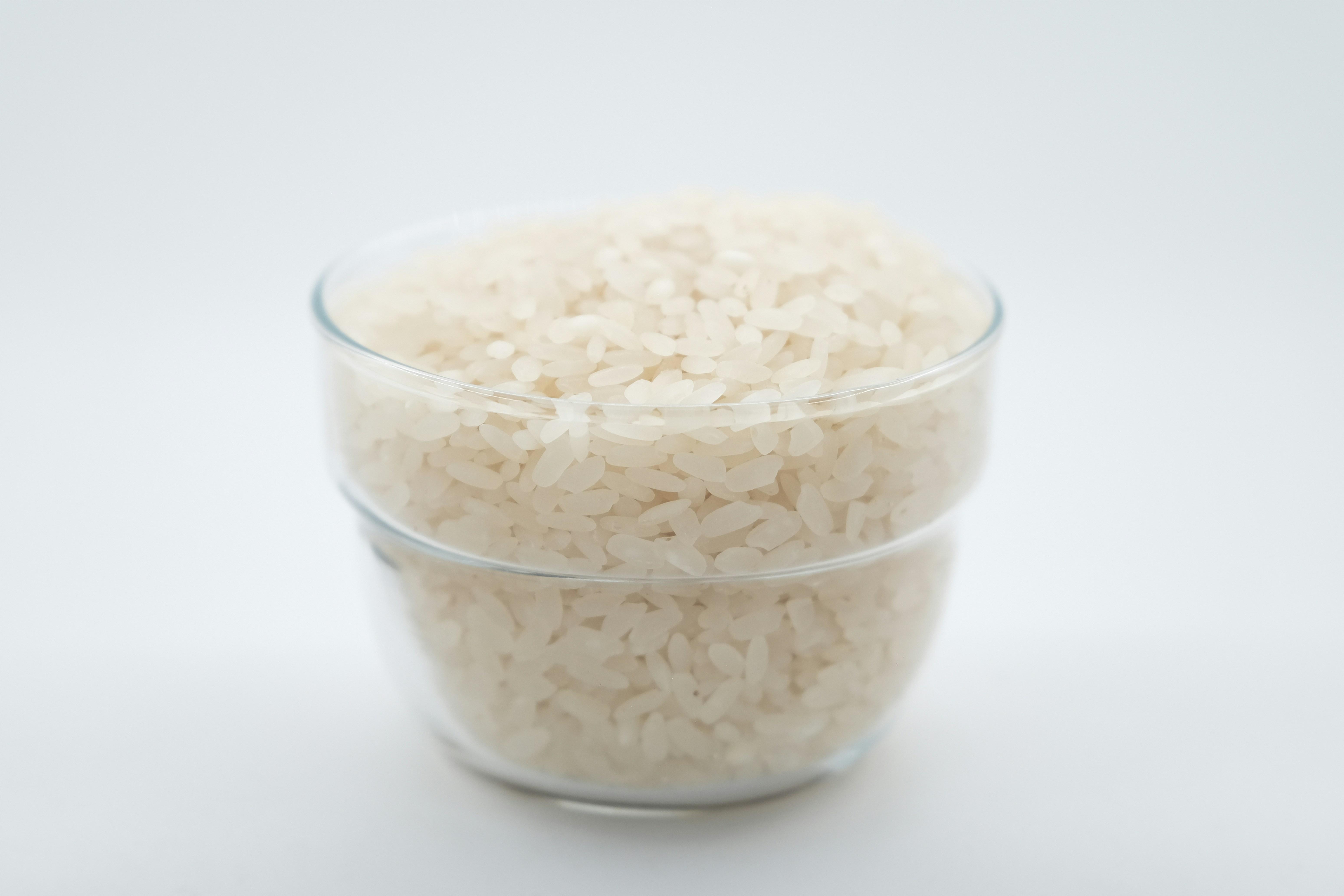
Understanding the Evolution of Rice Milling Technology
The journey of rice milling technology has a rich history, evolving dramatically from rudimentary methods to elegant machinery. In ancient times, rice processing relied on manual labor, with farmers using simple tools such as mortars and pestles to hull the grains. As populations grew and the demand for rice increased, the necessity for more efficient techniques led to innovations. The introduction of animal-powered milling and, eventually, water and wind-driven mills marked meaningful milestones in the evolution of this crucial agricultural process.
In recent decades, advances in technology have revolutionized rice milling yet again. Modern rice mills utilize state-of-the-art machinery that ensures high throughput and minimizes grain damage. Key components of contemporary systems include automatic paddy separators, huskers, and polishers, designed for optimal performance. The integration of automation not only enhances efficiency but also reduces labor costs.Here’s a glimpse into the key features of modern rice milling technology:
| Feature | Description |
|---|---|
| Automation | Reduces the need for manual intervention and increases processing speed. |
| Efficiency | Optimized machines process greater amounts of rice with less waste. |
| Quality Control | Advanced systems include sensors that monitor rice quality throughout the process. |
| Energy use | Modern mills are designed to consume less energy while maintaining high performance. |

Essential Components of a Modern Rice Mill
Modern rice mills are intricate systems that incorporate a variety of components, each playing a vital role in the effective processing of rice. At the heart of this operation is the paddy pre-cleaner, which filters out impurities such as dust, stones, and leaves before the rice enters the main milling process. Following this, the husk remover uses high-speed revolving disks to separate the outer husk from the brown rice, ensuring a clean and high-quality product. Other essential components include advanced whitening machines that polish the rice grains while minimizing breakage, and sieving systems that categorize rice into different grades based on size and quality.
Moreover, modern milling operations frequently enough integrate dryers and storage facilities to maintain the ideal moisture content and protect the rice from spoilage. To enhance production efficiency, automatic control systems are increasingly utilized to monitor and regulate each stage of the milling process.Additionally, packaging units equipped with state-of-the-art technology ensure that the finished product is securely sealed and labeled for distribution. Altogether, these components form a cohesive system that maximizes output while maintaining the high standards of quality demanded by contemporary consumers.
Optimizing Production Efficiency in Rice Processing
In the quest for enhancing productivity within rice processing facilities, adopting advanced technologies plays a pivotal role. Equipment automation, as a notable example, optimizes the milling process by reducing manual oversight and streamlining operations. Key modern technologies to consider include:
- Optical Sorting Machines: These devices use cameras and sensors to identify and remove impurities quickly and efficiently.
- Automated Milling Systems: Incorporating automated systems allows for consistent quality control and minimizes labor costs.
- Data Analytics: Implementing data-driven insights can help identify bottlenecks in production and areas for betterment.
- Energy-efficient Machinery: Upgrading to energy-efficient machines not only lowers operational costs but also aligns with sustainable practices.
Moreover, continuous training and development of workforce capabilities ensure that employees are adept at utilizing these cutting-edge tools. Fostering a culture of innovation can empower staff to suggest further enhancements to operational efficiency. Consider the following strategies to cultivate such an habitat:
| Strategy | Description |
|---|---|
| Workshops | Regular workshops aimed at skill enhancement and familiarization with new technology. |
| Feedback Systems | Establishing channels for employees to voice ideas can lead to innovative solutions. |
| Team Collaboration | Cultivating teamwork to brainstorm and implement efficiency-driven projects. |
Sustainability Practices in Contemporary Rice Milling
Modern rice milling is increasingly recognizing the importance of environmental stewardship, leading to innovative practices that minimize waste and conserve resources. Among the most notable sustainability measures are the adoption of energy-efficient machinery and waste recycling systems.By utilizing state-of-the-art equipment designed to reduce energy consumption,mills can significantly cut their carbon footprints. Moreover, the integration of systems that recycle by-products, such as husks and bran, into biofuels or animal feeds ensures that almost every part of the rice is utilized, promoting a circular economy within the industry.
In addition to technological advances, contemporary practices also emphasize sustainable sourcing and community engagement. Rice mills are increasingly focusing on acquiring raw materials from local farmers who employ sustainable growing practices, thereby supporting local economies while ensuring a lower environmental impact. Further, manny mills are investing in community programs aimed at educating farmers on sustainable cultivation techniques and resource management. This collaborative approach not only enhances the quality of the rice but also fosters stronger relationships between producers and mills.
| practice | Description |
|---|---|
| Energy Efficiency | Utilization of advanced machinery to lower energy consumption. |
| Waste Recycling | Converting by-products into biofuels or animal feed. |
| Sustainable Sourcing | partnering with local farmers using eco-pleasant practices. |
| Community Engagement | Educating farmers on sustainable methods and resources. |
To Wrap It Up
As we conclude our journey through the intricate world of modern rice mills, it becomes clear that these facilities are more than mere grains of machinery—they are the beating heart of a globally essential industry. The innovations and techniques discussed have not only transformed the way rice is processed but have also highlighted the importance of efficiency, sustainability, and quality in feeding populations around the world.
Whether you are a seasoned professional in the agricultural sector,a budding entrepreneur interested in milling,or simply an enthusiast fascinated by food production,we hope this comprehensive guide has shed light on the complexities and advancements of modern rice milling. As we continue to explore and unlock the secrets behind these operations, may we also foster a deeper appreciation for the labor and ingenuity that bring this staple food from field to table.Thank you for joining us on this exploration. We encourage you to stay curious and engaged, as the unfolding story of rice milling is far from over.



