
Transforming Grains: The Art of Paddy Processing Plants
In the heart of rural landscapes, where lush green fields sway gently with the breeze, lies a hidden world of transformation—a realm where nature’s humble grain undergoes a remarkable metamorphosis. Paddy processing plants, often overlooked, serve as the crossroads between the raw beauty of rice paddies and the essential sustenance that feeds millions around the globe. this intricate dance of machinery and craftsmanship not only preserves the quality of the grain but also enhances its value, bridging the gap between harvest and table.In this article, we will explore the captivating processes that breathe life into paddy, celebrating the artistry and innovation of processing plants that turn simple grains into staple foods. Join us as we delve into the techniques, technologies, and traditions that define this vital industry, illuminating the journey of rice from field to fork.
Understanding the Grain Journey from Field to Flour
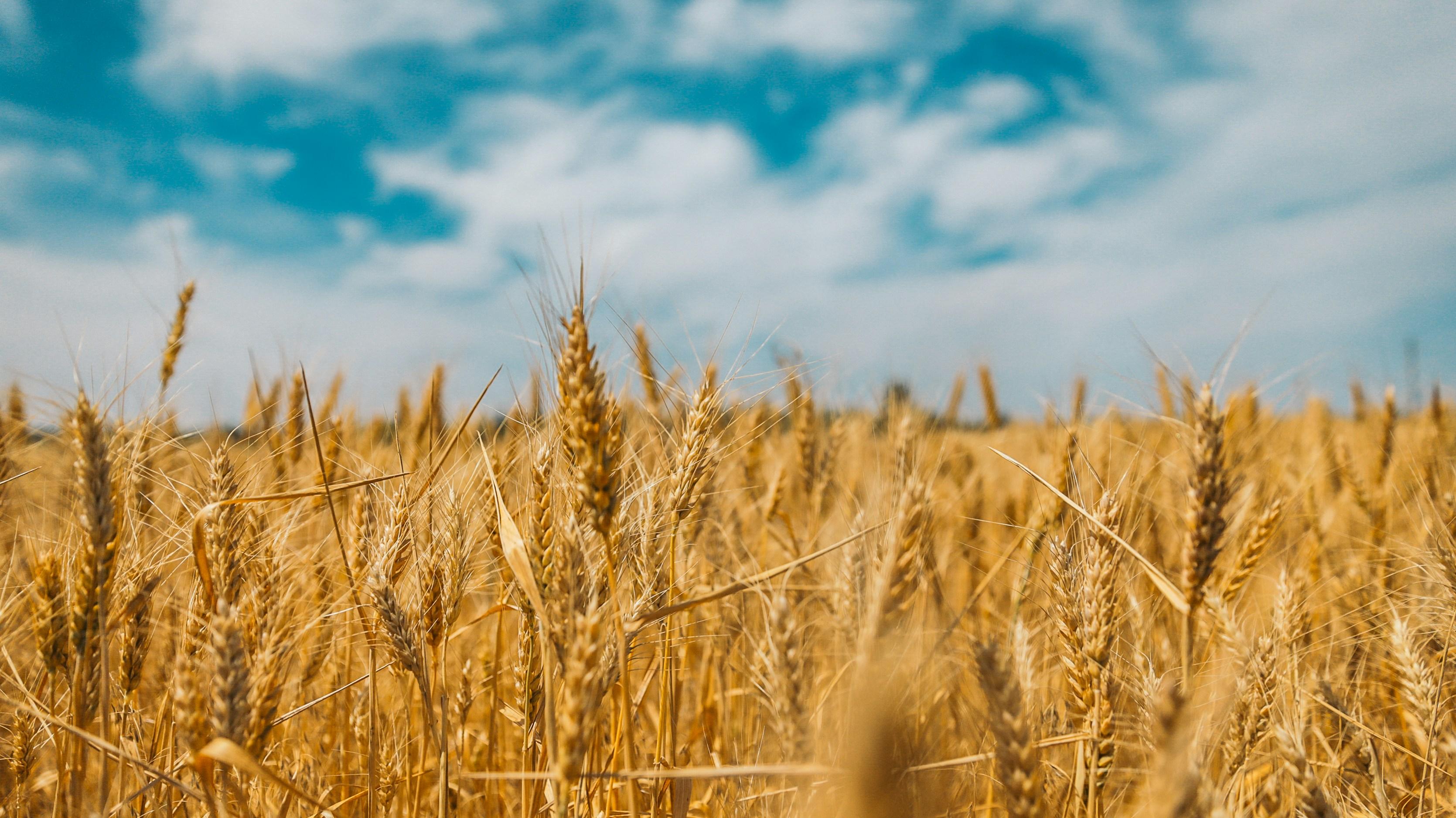
The journey of grains from the field to flour is a meticulous process that captures the essence of agricultural heritage and modern technology. After fields are harvested, paddy enters a world of transformation where it is cleaned, hulled, and milled—each step playing a crucial role in maintaining quality and flavor. The initial phase, cleaning, involves separating impurities such as stones, dust, and stray plant materials. Following this, the hulling process removes the inedible husk, unveiling the gleaming grains. These grains are then subjected to milling, where they are ground to various levels of fineness depending on the desired end product. Each of these steps enhances the grains’ usability and market value, ensuring that the final product meets consumer expectations.
At the heart of the milling process is the sophisticated machinery that functions with precision. Key elements include grinders,separators,and packagers,working in tandem to deliver consistent quality. to illustrate this intricate machinery, consider the following table that summarizes the roles of essential components in paddy processing:
| component | Function |
|---|---|
| Grinder | Crushes the grains to achieve desired flour texture |
| Separator | Classifies grains based on size and weight |
| Packer | Prepares and seals the final product for distribution |
This seamless integration of natural harvest and advanced processing technology highlights the artistry involved in converting raw paddy into high-quality flour. Ultimately, it reflects a balance between tradition and innovation, where each step in the grain journey contributes to a product that can nourish and delight consumers worldwide.

Innovative Techniques in Paddy Processing for Enhanced Efficiency
The landscape of paddy processing has witnessed a remarkable evolution, driven by innovative techniques that enhance both efficiency and yield. Modern plants are increasingly utilizing automated milling systems that streamline the journey from field to market. These advanced systems not only reduce human error but also considerably increase throughput. Among the techniques making waves are:
- Laser Sorting: This technology allows for the precise identification and removal of impurities, ensuring only the highest quality grains proceed to the next stage.
- Steam Parboiling: A method that enhances nutritional value while concurrently improving the texture and aroma of the rice.
- Continuous Flow Drying: This technique effectively minimizes moisture retention, wich can prolong the shelf life of the grains and prevent spoilage.
Moreover, state-of-the-art data-driven monitoring systems provide real-time feedback on the milling process, allowing for immediate adjustments to maintain optimal performance. By collecting and analyzing data on moisture content,temperature,and processing speed,these systems not only help in fine-tuning operations but also aid in predicting breakdowns before they occur. The integration of enduring practices is also on the rise,with a focus on minimizing waste and energy consumption,fostering eco-friendly processing methods that respect both the surroundings and local economies. Below is a glimpse into how these practices compare:
| Processing Technique | Benefit |
|---|---|
| Automated Milling | Increased efficiency and reduced labor costs |
| Laser Sorting | Improved quality control and consistency |
| Steam Parboiling | Enhanced nutritional profile |
| Data-Driven Monitoring | Proactive maintenance and optimization |
The Role of Sustainability in Modern Processing Plants
The integration of environmentally friendly practices in processing plants is becoming a cornerstone of modern agricultural industries. By prioritizing sustainability, paddy processing facilities not only enhance their efficiency but also contribute positively to ecosystems. Innovative technologies and methods play a significant role in reducing waste and energy consumption, showcasing a commitment to preserving the environment while maximizing productivity. Key practices include:
- Energy-efficient machinery: Utilizing advanced equipment that consumes less power and reduces carbon footprints.
- Waste utilization: Transforming by-products like rice husk into biofuel or organic fertilizers, minimizing landfill waste.
- Water conservation technologies: Implementing systems to recycle water used in processing, protecting this vital resource.
Moreover, embracing a circular economy approach fosters a thorough strategy that can mitigate the environmental impact of production processes. by focusing on sustainable sourcing, paddy processing plants ensure that raw materials are obtained responsibly, promoting biodiversity and supporting local economies.The implementation of robust sustainability strategies not only yields benefits to the environment but also enhances the overall competitiveness of a plant in the market. Consider the following strategies:
| Strategy | Benefits |
|---|---|
| Renewable energy adoption | Reduces dependence on fossil fuels, lowers operating costs |
| Supplier partnerships | Fosters ethical sourcing, strengthens community ties |
| Sustainable packaging solutions | Minimizes plastic use, appeals to eco-conscious consumers |
Quality Control Measures to Elevate Grain Standards
To ensure that grains reach their highest potential in quality, robust measures must be integrated throughout every stage of the processing chain. Adopting a multifaceted approach allows paddy processing plants to establish standards that not only comply with regulatory criteria but also cater to consumer preferences. Among the most critical practices are:
- Regular Equipment Calibration: Ensuring that machinery is consistently calibrated not only enhances efficiency but also minimizes wastage and ensures uniformity in grain size.
- Quality Benchmarking: establishing specific benchmarks for moisture content, color, and grain integrity helps maintain a standard that elevates the end product.
- Staff Training: Continuous staff training ensures that employees are equipped with the knowledge to recognize quality factors and implement best practices in grain processing.
- Traceability Systems: Implementing technology that tracks grain from farm to consumer allows for transparency and facilitates rapid response in case of quality issues.
Additionally, regular quality assessments are paramount for maintaining high standards. This can be achieved through the implementation of systematic testing protocols that focus on the following:
| quality Indicator | Standard Value | Testing Frequency |
|---|---|---|
| Moisture Content | 12-14% | Daily |
| Grain Purity | Minimum 98% | Weekly |
| Color Consistency | Uniform white | Bi-weekly |
| Grain Integrity | No broken grains | Daily |
By rigorously monitoring these indicators, processing plants can ensure that every batch not only meets but exceeds consumer expectations, ultimately fostering brand loyalty and market confidence.
In Conclusion
the transformation of grains within paddy processing plants is a fascinating journey that marries tradition with innovation. Each stage of this intricate process, from the husking of rice to the final polishing, reflects not only the skill and dedication of those involved but also the essential role these facilities play in feeding communities around the world. As we continue to explore and improve upon these methods, we embrace the possibility to enhance food security, uplift economies, and preserve cultural heritage tied to grain production. The art of paddy processing is not just an industrial function; it is indeed a tribute to the resilience and ingenuity of agriculture, a symbol of how we can evolve while respecting our roots. As we look toward a future rich with potential, let us celebrate the delicate balance between sustenance and sustainability, innovation and tradition, all rooted in the humble grain.



