
In the heart of rural landscapes, where golden fields stretch as far as the eye can see, a quiet revolution is reshaping the age-old practice of rice cultivation. “Transforming Grains: the Modern Rice Mill Revolution” invites you to explore the dynamic intersection of tradition adn innovation that is redefining this staple crop’s journey from field to table. As technological advancements streamline processes and enhance efficiency,modern rice mills are not merely processing facilities; they are catalysts for economic growth,sustainability,and food security. In this article, we delve into the transformative changes occurring within the rice milling industry, examining how these developments are empowering farmers, uplifting communities, and setting new standards for quality and productivity. Join us as we uncover the compelling story behind the milling machines that are turning grains into global staples, and reimagining the future of one of the world’s most essential foods.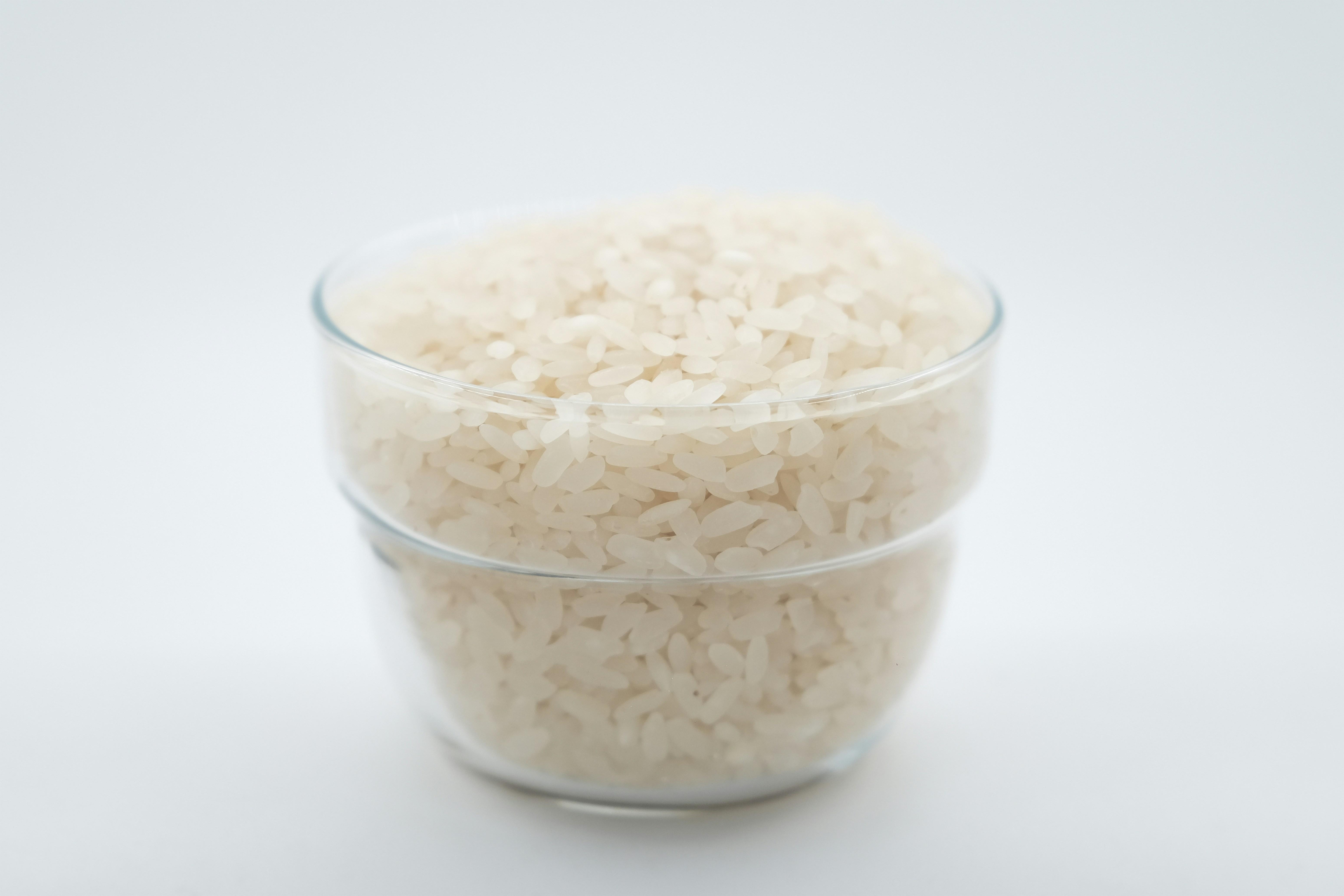
The Evolution of Rice Milling Technology and Its Impact on Production Efficiency
The journey of rice milling technology has been transformative, marked by innovative adaptations that considerably enhance production efficiency.Early milling methods, predominantly manual processes utilizing stone mills, were labor-intensive and yielded small quantities of polished rice. Today, mechanized milling systems have taken center stage, enabling the processing of larger volumes with remarkable precision. Advancements such as paddy separators, huskers, and polishing machines have optimized production workflows, minimizing grain loss while ensuring superior quality. As emerging technologies like automation and AI continue to influence these processes,the modern rice mill is increasingly capable of meeting global food demands without compromising quality.
Furthermore, the environmental impact of rice milling technology has seen notable improvements, steering the industry toward sustainability. Innovations such as energy-efficient machinery and effective waste management systems have reduced the carbon footprint associated with rice production. The integration of
| innovation | Impact |
|---|---|
| Automated Cleaning Systems | Reduced impurities in rice, improved quality |
| Heat Recovery Systems | Lower energy consumption and costs |
| Digital Monitoring | Enhanced efficiency and production tracking |
techniques is not only making rice production more efficient but also aligning it with enduring agricultural practices. Millers are now equipped with tools to produce a higher yield with fewer resources, paving the way for a resilient and environmentally pleasant rice industry that can thrive amidst the challenges of a growing population and climate change.

Sustainability in Modern Rice mills: Innovations for Environmental Stewardship
In the quest for greener practices,modern rice mills are embracing innovative technologies that significantly reduce their environmental footprint. By adopting energy-efficient machinery and water conservation techniques, these facilities are not only boosting production but also preserving vital resources. Some key innovations include:
- Biomass Energy Systems: Utilizing rice husks and other by-products as a renewable energy source.
- Recycling Water Systems: Implementing closed-loop water systems that minimize wastewater and promote reusability.
- Efficient Waste Management: Transforming waste into compost or bio-materials to reduce landfill dependency.
Moreover, the integration of smart technology is enabling rice mills to monitor their operations in real-time. Advanced sensors and IoT devices allow for precise adjustments in processing, thereby reducing energy consumption and waste generation. These technological advancements pave the way for a more sustainable milling process. A comparison of customary versus modern practices highlights the critically important improvements:
| Feature | Traditional Rice Mills | Modern Rice Mills |
|---|---|---|
| Energy Consumption | High | Reduced by up to 30% |
| Water Usage | Excessive | Up to 50% reduction |
| Waste Output | High | Reused and repurposed |
Enhancing Quality Control: Best Practices for Processing and Preservation
To elevate the standards of rice processing, adopting stringent quality control measures is essential. Modern rice mills can utilize advanced technologies and methodologies to ensure that every grain is processed to perfection. Implementing a thorough quality management system can facilitate this. Key strategies include:
- Regular Equipment Calibration: Ensuring that milling machinery operates at optimal levels minimizes damage to the grains.
- Routine Inspections: Conducting frequent checks on raw material inputs helps in identifying issues before they escalate.
- Hygiene Standards: Maintaining cleanliness in processing areas safeguards against contamination.
In addition to robust quality control systems, effective preservation techniques are vital in maintaining the quality of rice post-processing. Strategies such as optimized storage conditions, including temperature and humidity controls, can significantly prolong shelf life. Notably, the use of moisture barriers and bulk storage solutions are proven to protect grains from environmental factors that can degrade quality. The table below outlines common preservation methods alongside their benefits:
| Preservation Method | Benefits |
|---|---|
| Vacuum Packing | prevents oxidation and extends freshness. |
| Controlled Atmosphere Storage | Reduces spoilage and pest infestation. |
| Use of Silos | Enhances bulk storage efficiency and minimizes space. |
Economic Opportunities for Farmers: The Role of Modern Rice Mills in Rural Development
Modern rice mills have emerged as a transformative force in rural economies, providing farmers with a host of economic opportunities that were previously unattainable. By investing in advanced milling technologies, these facilities not only enhance the quality of rice but also significantly reduce post-harvest losses that often plague traditional methods. Consequently, farmers can experience increased profitability through various means, including:
- Higher Product Quality: Modern rice mills ensure that the grains are processed with precision, resulting in a superior end product that commands better market prices.
- Value Addition: Beyond simple milling, many modern facilities offer additional services such as packaging and branding, which can definitely help farmers distinguish their products in competitive markets.
- Access to Credit and Financial Support: The establishment of modern operations frequently enough leads to partnerships with banks and NGOs, providing farmers with much-needed access to funding to enhance their production capabilities.
Furthermore,the ripple effects of these modern rice mills extend beyond the immediate financial benefits to farmers.They generate employment opportunities in rural areas, contributing to local economies and fostering community development. With each rice mill, a network of ancillary businesses can flourish, providing services such as transportation, marketing, and supply of agricultural inputs. To illustrate the impact of modern rice mills, consider the following table showcasing key performance indicators before and after the introduction of a modern rice processing facility:
| Indicator | Before Modern Mill | After Modern Mill |
|---|---|---|
| Average Yield per Acre | 1,500 kg | 2,200 kg |
| Post-Harvest Losses | 15% | 5% |
| Monthly income from Rice | $300 | $600 |
to sum up
As we draw the curtain on our exploration of the modern rice mill revolution, it’s clear that this dynamic change extends far beyond the simple act of milling grains. This intricate interplay of technology, sustainability, and community engagement is fostering a new era for rice production, one that honors the traditions of the past while embracing the innovations of the future.
The implications are profound: from enhanced efficiency and reduced waste to greater food security and economic empowerment for farmers around the world. As we continue to refine our methods and invest in smarter, greener technologies, the future of rice milling holds promise not only for the industry but for countless lives that depend on this staple grain.
in this journey of transformation, every grain tells a story—one of resilience, adaptation, and hope. As we celebrate the strides made by modern rice mills, let us remain vigilant stewards of our resources, ensuring that the advancements we achieve today lay the groundwork for a sustainable tomorrow. With each revolution in grain processing, we nurture not just an industry, but a global community united by our essential connection to food. The rice mill may be modernized, but its heart—a dedication to nourishment and prosperity—remains timeless.



