
Unlocking Quality: The Complete Guide to Rice Milling Machines
In the world of agriculture, few staples hold the same importance as rice. As a primary food source for billions, the journey from paddy field to plate is intricate and demands precision at every step. Central to this journey is the rice milling machine, a vital piece of equipment that transforms rough rice into the polished grains we recognize on our dinner tables. But what exactly goes into selecting the right milling machine? How do different technologies impact the quality of the final product? In this extensive guide, we will delve into the intricacies of rice milling machines, exploring their workings, types, and innovations that unlock quality like never before. Whether you’re a seasoned miller, an aspiring entrepreneur, or simply an aficionado of this versatile grain, join us as we unravel the secrets behind effective rice milling and its crucial role in the global food supply chain.
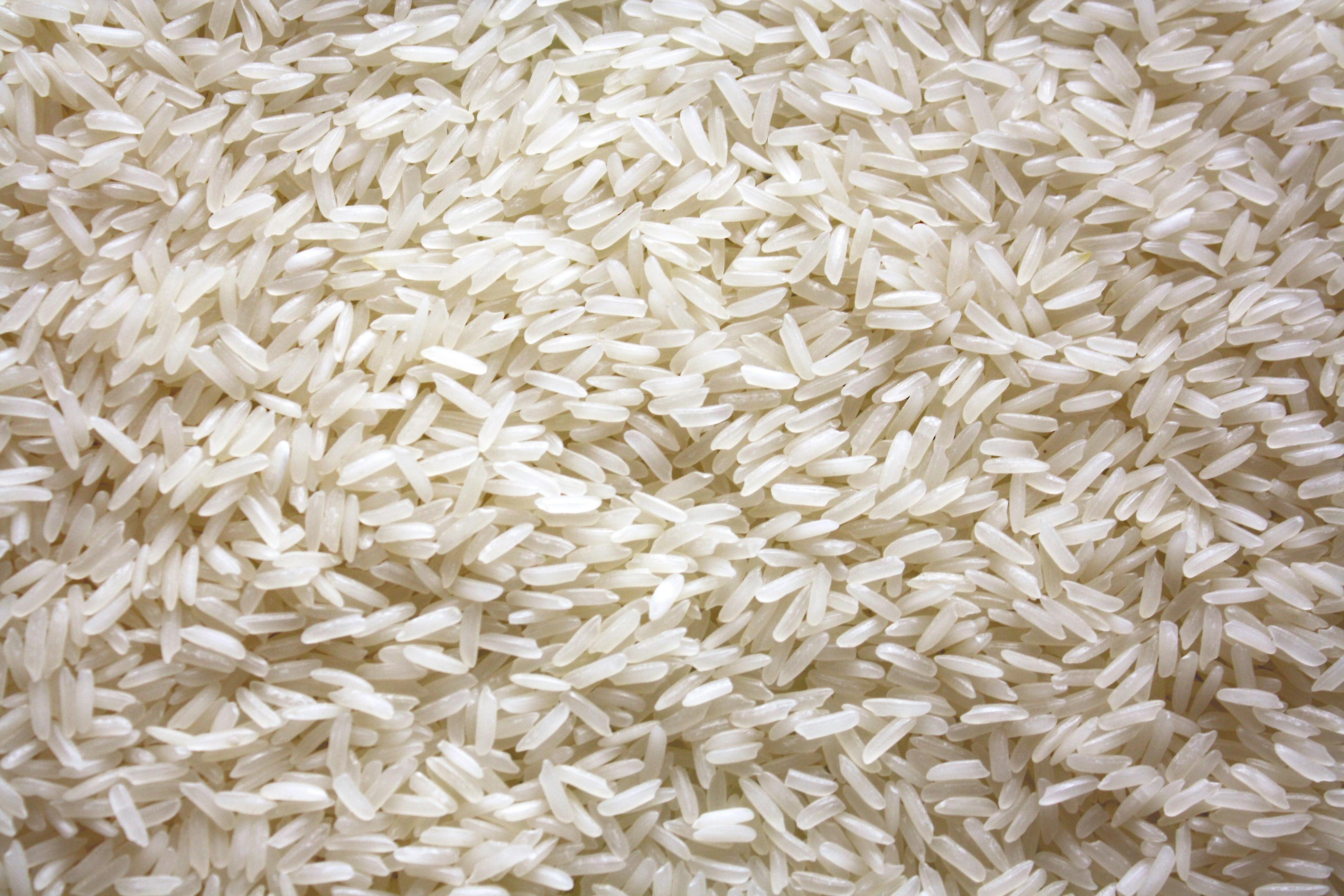
Understanding the Basics of rice Milling Machines
Rice milling machines play a critical role in the post-harvest processing of rice, transforming raw paddy into the polished grains that are a staple in many diets. Understanding their operation is essential for anyone involved in rice production or milling. These machines come equipped with several components such as huskers, shellers, and polishers, each serving a unique purpose in the milling process.The milling operation typically involves several stages: removing the husk, separating the bran, and polishing the rice. The efficiency of these machines not only affects the quality of the final product but also impacts the overall yield from each batch of paddy.
In selecting the right milling machine, various factors should be considered to ensure optimal performance and output. Key aspects include the capacity of the machine,the degree of automation,and the types of rice that can be processed. Below is a simple table summarizing the characteristics of different rice milling machines available on the market:
| Machine Type | Capacity (kg/h) | Automation Level |
|---|---|---|
| Compact Mill | 300 | Manual |
| Standard Mill | 1000 | Semi-Automatic |
| Industrial Mill | 2000+ | Fully Automatic |
By comprehending these fundamental elements, operators can make informed choices about the milling machines that best suit their needs, which in turn enhances the quality of rice products in the marketplace. With advancements in technology, modern rice milling machines also focus on energy efficiency and minimal waste, making them an environmentally kind option for rice processors.

Key Features to Look for in High-Quality Milling Equipment
When choosing high-quality milling equipment for rice processing, several essential features can significantly influence efficiency and output quality. First and foremost, consider the capacity of the machine, as it should align with your production needs. A robust unit can process larger volumes without compromising on quality.Additionally, the durability of the milling equipment is crucial; select models made from high-grade materials that withstand wear and tear over time. Look for features like adjustable settings for different milling processes,which allow you to customize the rice texture,ensuring optimal results for various culinary applications.
Another vital aspect is the energy efficiency of the equipment. High-quality machines are designed to minimize power consumption, resulting in reduced operational costs.It’s also crucial to pay attention to the ease of maintenance; opt for designs that promote speedy cleaning and troubleshooting, as this can significantly reduce downtime. Furthermore, check if the equipment includes advanced technology, such as automated sensors for real-time monitoring, which enhances the overall milling process. By prioritizing these features, you can ensure that your investment in milling equipment pays off in the long run with consistent and superior rice quality.
Optimizing Efficiency and Output in Rice Processing
Efficiency in rice processing is paramount for maximizing output and ensuring consistent quality. By investing in state-of-the-art milling machines, rice processors can achieve higher throughput, reduced energy consumption, and streamlined operations. Key factors to consider in optimizing these processes include:
- Advanced Technology: Utilizing modern milling technology such as color sorters can enhance grading accuracy and reduce waste.
- Automated Systems: Implementing automation in feeding and packaging can speed up the workflow and minimize human error.
- Regular Maintenance: Scheduled maintenance of machines ensures optimal performance and prolongs equipment lifespan.
Furthermore, integrating data-driven approaches can significantly impact productivity. Employing software for process monitoring allows operators to fine-tune settings in real-time, addressing inefficiencies as they arise. Here’s a brief overview of efficiency metrics to track:
| Metric | Description | Ideal Value |
|---|---|---|
| Output Rate | Amount of rice milled per hour | 1,000 kg |
| Energy Consumption | Energy used per ton of rice processed | 40 kWh |
| Downtime | Time machines are not operational | Less than 5% |
Maintenance Best Practices for Longevity and Performance
To ensure the longevity and optimal performance of rice milling machines, regular maintenance is essential. This includes a comprehensive checklist for daily and weekly inspections. Operators should focus on cleaning components, ensuring dust and residue are removed to prevent wear and tear. Additionally, regular lubrication of moving parts is crucial for minimizing friction. The following tasks are recommended:
- Check and replace worn belts.
- Inspect bearings for signs of wear.
- Clean the husk chamber to avoid blockage.
- Tighten loose connections and screws.
Moreover, periodic professional servicing can greatly enhance the machine’s efficiency. Scheduling these services alongside routine inspections not only reduces the risk of unexpected breakdowns but also maximizes productivity.Consider implementing a maintenance log to document repairs and servicing sessions.This log can include details such as:
| Date | Task Performed | Next Service Due |
|---|---|---|
| 01/10/2023 | Lubrication of gears | 01/11/2023 |
| 01/10/2023 | Cleaning of sieves | 01/11/2023 |
| 01/10/2023 | Inspection of electrical connections | 01/11/2023 |
By adhering to these maintenance guidelines, rice milling operations can prevent costly downtimes and ensure that each batch is processed with precision and efficiency.
The Conclusion
As we conclude our journey through the intricate world of rice milling machines,we hope this guide has illuminated not only the technical facets of these vital machines but also their profound impact on the rice supply chain. From understanding the intricacies of milling processes to exploring the latest innovations in technology, we encourage you to harness this knowlege to elevate your rice production endeavors.
As you navigate the exciting landscape of rice milling, always remember that quality is the cornerstone of success. Investing in the right machinery and understanding its operation will empower you to unlock the full potential of your harvest. Whether you are a seasoned rice producer or just embarking on this venture, the insights we’ve shared aim to serve as a foundation for informed decisions.
Thank you for joining us on this exploration of rice milling machines. May your pathways to improved quality and efficiency be fruitful, and may each grain you process led to greater possibilities. Here’s to the future of rice milling—a world where quality is not just a standard,but a commitment.



