In the ever-evolving landscape of agriculture, the quest for efficiency and sustainability has never been more pressing. As global populations rise and the demand for food surges, the agricultural sector is continually exploring innovative solutions to enhance productivity without compromising quality. Enter the 4 Ton rice mill plant—a remarkable solution that encapsulates modern engineering and agricultural insight. This article delves into the intricacies of this efficient harvesting unit, examining its design, functionality, and potential impact on rice production. Join us as we explore how this advanced milling technology not only streamlines the harvesting process but also paves the way for a more lasting future in rice farming.
Innovations in rice Milling Technology for Optimal Efficiency
The evolution of rice milling technology has led to important breakthroughs that enhance both productivity and product quality. Modern rice mills employ advanced machinery, incorporating automation and data analytics to streamline operations and reduce waste. The latest designs focus on energy efficiency, utilizing less electricity while providing higher output. Innovations such as paddy huskers with improved rubber rolls and precision whiteners ensure that the milling process not only increases the recovery rate of whole grains but also enhances the aesthetic quality of the rice. Furthermore, the integration of real-time monitoring systems allows mill operators to track the efficiency of their processes, enabling timely adjustments and minimizing downtime.
Investments in newer models of rice milling plants, like the 4-ton rice mill plants, reflect a growing awareness of sustainable practices and economic viability.The incorporation of eco-friendly designs and materials has garnered attention, promoting the industry’s commitment to reducing its carbon footprint. Features such as modular constructions facilitate easy upgrading and scalability,allowing businesses to grow alongside technological advancements. Additionally, advancements in cleaning equipment ensure that only the highest quality paddy enters the milling process, which greatly affects the final product.Below is a summary table showcasing some notable features of the latest rice milling technology:
| Feature | Description |
|---|---|
| Automation | Streamlines operations and reduces manual labor. |
| Data Analytics | Facilitates real-time monitoring and process adjustments. |
| Energy Efficiency | Uses less electricity while maximizing output. |
| Eco-friendly Design | Promotes sustainability in milling operations. |
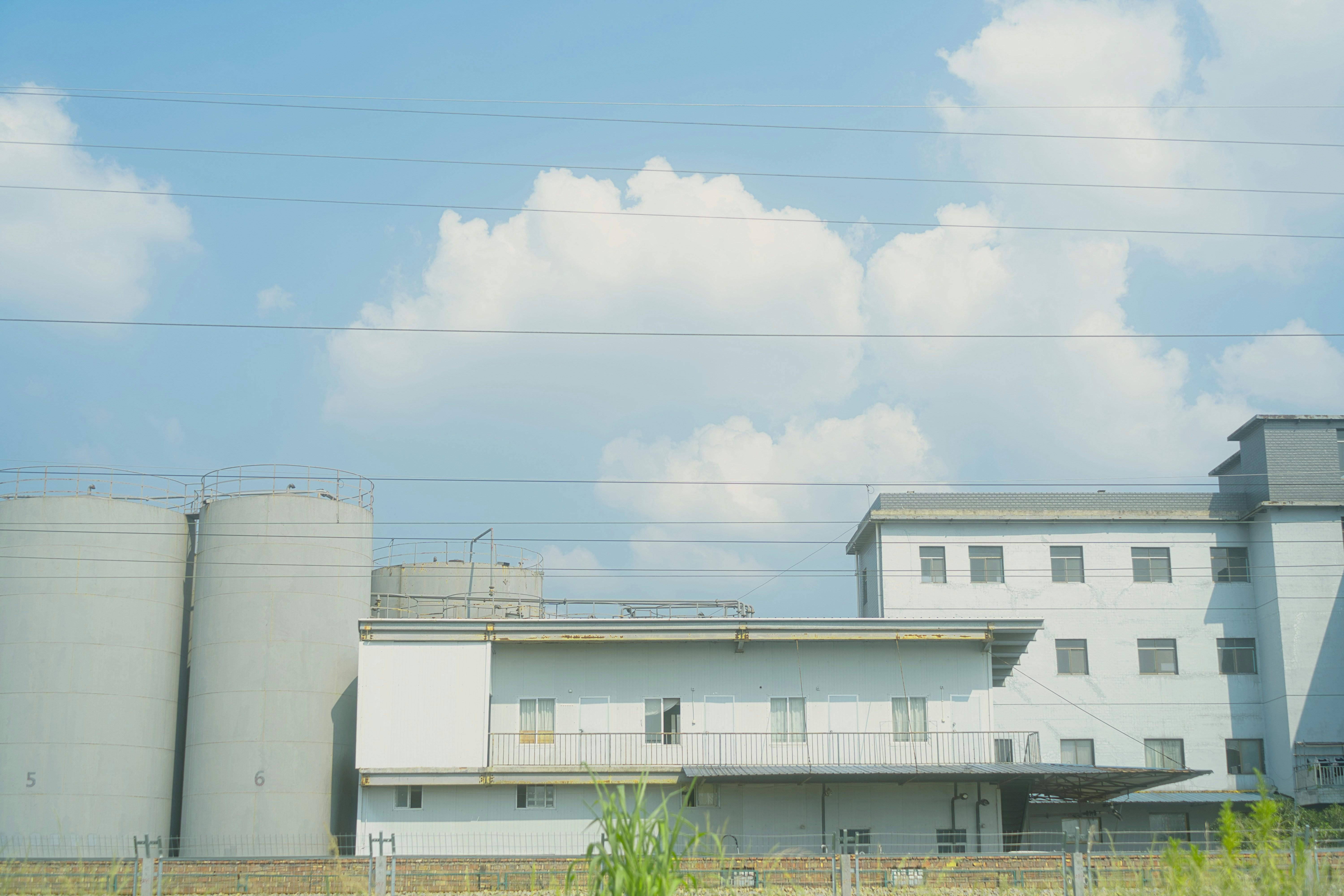
Key Features of the 4 Ton rice mill plant that Enhance Productivity
The 4 Ton rice mill plant is designed with innovative features that significantly boost its operational efficiency. One of the most notable enhancements is its automated processing system, which minimizes manual intervention, reducing the potential for errors while increasing throughput.This system allows for seamless integration of different rice milling stages, from cleaning and husking to polishing and packaging. Additionally, the plant’s high-capacity output ensures that it meets the demands of large-scale production without compromising on quality.
Another key feature is the incorporation of energy-efficient machinery. This not only contributes to lower operational costs but also aligns with eco-friendly practices by reducing the carbon footprint of rice milling activities. The plant is also equipped with advanced monitoring systems that facilitate real-time tracking of production metrics, ensuring optimal performance and quick troubleshooting of any issues. With adjustable settings for different rice varieties, the 4 Ton Rice Mill Plant truly empowers operators to enhance productivity while maintaining the highest standards of quality.
Sustainable Practices in Rice Milling for environmental Impact
Integrating eco-friendly methods within rice milling processes not only enhances productivity but also significantly reduces environmental footprints. By utilizing energy-efficient machinery, mills can dramatically decrease their power consumption, which in turn lessens greenhouse gas emissions. Moreover, the adoption of waste recycling practices helps minimize the waste produced during milling operations. Through the use of by-products like rice husk for bioenergy and compost, facilities can contribute to a circular economy that supports sustainable agriculture.
One innovative approach is the implementation of water recycling systems, which can significantly lower the amount of water required during the milling process. These systems capture and treat wastewater for reuse, thus ensuring that water resources are conserved, especially in regions affected by drought. Additionally, the use of renewable energy sources, such as solar panels, can support the energy needs of the milling plant, further reducing reliance on non-renewable resources. Incorporating these sustainable practices not only promotes environmental stewardship but also enhances the overall efficiency and profitability of rice milling operations.
| Practice | Description | Environmental Benefit |
|---|---|---|
| Energy Efficiency | Utilizing modern machinery to reduce energy consumption | Lower greenhouse gas emissions |
| Water Recycling | Capturing and treating wastewater for reuse | Conserves water resources |
| Renewable Energy | Implementing solar panels or biomass solutions | Reduces dependency on fossil fuels |
| Waste Management | Recycling by-products like husks for bioenergy | Supports a circular economy |
Best Practices for Operating and maintaining Your rice mill plant
Operating and maintaining a rice mill plant efficiently requires adherence to several best practices aimed at optimizing productivity and minimizing downtime. It’s essential to ensure that all machinery is regularly inspected and serviced to prevent unexpected failures. Incorporating a robust preventive maintenance schedule can significantly extend the lifespan of your equipment. Key areas to focus on include:
- Regular Cleaning: Dirt and rice husk accumulation can hinder machine performance.
- Lubrication: Keep all moving parts well-lubricated to reduce wear and tear.
- Monitoring feed rates: Proper feed rates help in achieving optimal milling efficiency.
- Staff Training: Ensure that all personnel are well-trained in operating machinery correctly.
Additionally, it’s vital to implement an effective quality control system to monitor the mill’s output and ensure the highest standards of rice quality.A simple yet effective way to track mill performance is through a production dashboard. This dashboard can include metrics such as:
| Metric | Description |
|---|---|
| Output Volume | Total rice produced per day/week. |
| Quality Assurance | Percentage of rice meeting quality standards. |
| Machine Downtime | Hours of operation vs. downtime. |
By continuously analyzing these metrics, plant managers can identify areas for improvement, ensuring operational efficiency while maintaining high-quality output. Implementing these practices not only enhances productivity but also fosters a culture of quality and safety within the operation,ultimately leading to a more triumphant rice milling business.
Key Takeaways
As we conclude our exploration of the 4 Ton rice mill plant,it’s clear that efficient harvesting is not merely a matter of productivity; it is indeed a testament to innovation,sustainability,and the evolving landscape of agriculture. This compact powerhouse harnesses technology to transform raw grains into essential staples, supporting communities and economies alike. By embracing efficient harvesting practices and modern milling solutions, we pave the way for a future where food security is not just a goal but a guarantee. Whether you are a seasoned agronomist or a curious enthusiast, the journey of rice from field to plate becomes a shared narrative of growth and resilience. As we turn the page on this topic, let us remain committed to cultivating smarter, more sustainable agricultural practices that resonate for generations to come.