
Transforming Grain: The Essential guide to Rice mill Plants
In the heart of our world’s agricultural landscape lies a staple that sustains billions: rice. This versatile grain, celebrated for its adaptability and nourishing qualities, plays a pivotal role in cuisines, cultures, and economies alike. Yet, behind the simple act of cooking rice lies a complex and engaging process that begins long before the grains reach our tables. At the core of this transformation is the rice mill plant — a critical hub where raw, unprocessed paddy is converted into the polished, edible rice we know and love.
In this essential guide, we will delve into the inner workings of rice mill plants, exploring the technology, processes, and challenges that shape this vital industry. From the intricacies of milling techniques to the sustainability practices that are increasingly essential in today’s world, this article aims to shed light on the unsung heroes of food production and the innovations that drive them forward. Join us as we embark on a journey through the world of rice milling, unveiling the artistry and science behind transforming grain into sustenance.
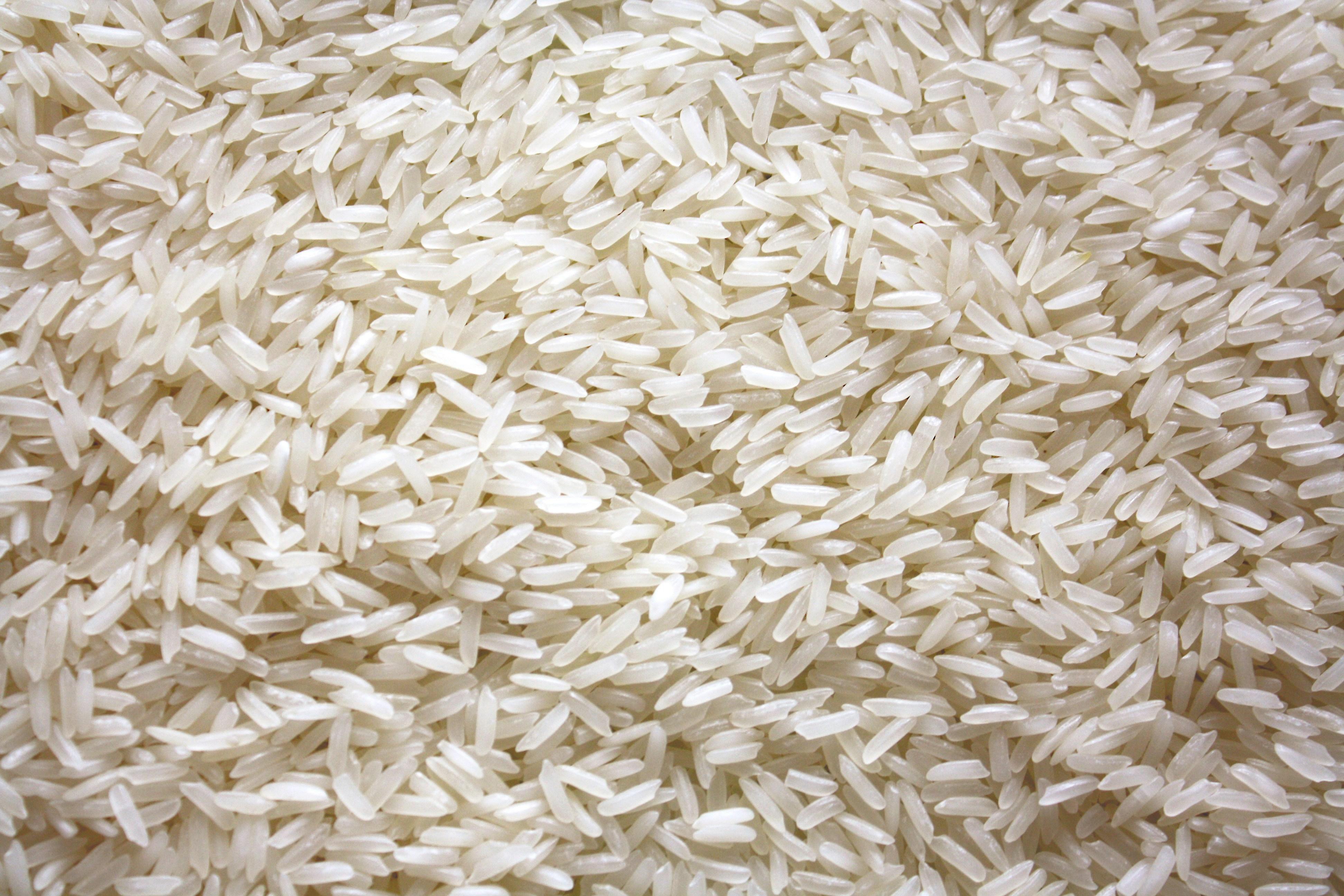
Understanding the Rice Milling Process and Its Significance
Rice milling is a crucial step in transforming paddy into a market-ready product, ensuring the grain is not only palatable but also retains its nutritional value. The process begins with cleaning, where impurities like stones, husks, and dirt are removed. Next, the paddy goes through the hulling stage, where the outer husk is separated from the kernel. This is followed by milling, which involves the grinding and polishing of the rice to enhance its appearance and texture. Through precise control of these processes, the quality and grade of the rice can be considerably impacted, leading to better pricing and preference in the market.
The significance of this process extends beyond mere aesthetics; it plays a vital role in food security and resource management.Understanding the milling stages allows producers to optimize operations and reduce waste. Key benefits include:
- Increased Shelf Life: Proper milling preserves flavor and reduces spoilage.
- Nutritional retention: Minimizing excessive milling helps maintain essential nutrients.
- Market Adaptability: Knowledge of milling techniques allows producers to cater to specific consumer preferences.
To illustrate the relationship between milling efficiency and rice quality, the following table highlights different milling grades and their characteristics:
| Milling Grade | Appearance | common Uses |
|---|---|---|
| Head Rice | Intact kernels | High-end dishes |
| Broken rice | Broken kernels | Prepared foods |
| Polished Rice | Shiny, white | Restaurants |

Essential Components of a Modern rice mill plant
A modern rice mill plant is a sophisticated facility that employs advanced technologies to streamline the process of transforming paddy into polished rice. Key elements include paddy separators, which efficiently sort unhulled rice from waste, ensuring that only high-quality grains move to the next phase. The hulling machine plays a pivotal role by removing the husk, while the milling component further processes the grain into white rice. To maintain quality, it’s crucial to implement whitening and polishing machines, which eliminate any residual bran, enhancing both texture and visual appeal.
Equally important are the testing and quality control systems integrated within the mill. These systems utilize advanced sensors and technology to monitor moisture content, color, and impurities, ensuring that the final product adheres to strict quality standards. Additionally, modern rice mills encompass storage facilities designed to keep harvested rice in optimal conditions, with regulated temperature and humidity levels. Below is a simple overview of these essential components and their functions:
| Component | Function |
|---|---|
| Hulling Machine | Removes the husk from harvested paddy |
| Paddy Separator | Sorts unhulled rice and waste |
| Whitening Machine | Removes bran layer for a polished finish |
| Quality Control System | Monitors grain quality throughout processing |
| Storage Facilities | Keeps rice in optimal conditions |
Innovating Efficiency: Best Practices for Rice Mill Operations
Efficient rice mill operations hinge on integrating innovative technologies and streamlined processes. By adopting automation systems for monitoring and controlling machinery, mills can significantly reduce labor costs and minimize human error. Additionally, investing in state-of-the-art milling equipment can enhance productivity, leading to a higher yield of quality milled rice.Consider implementing the following best practices to further refine operations:
- regular Maintenance: Schedule routine checks to keep machinery in optimal working condition.
- Data Tracking: Use software to monitor production metrics and identify inefficiencies.
- Energy Efficiency: Invest in energy-saving solutions to lower operational costs.
- Employee Training: Equip your team with ongoing training to adapt to new technologies.
Another crucial aspect of enhancing operational efficiency is optimizing supply chain management. establishing strong relationships with suppliers for paddy rice and effectively managing inventory can prevent delays and reduce costs. To visualize this strategy, consider the following table showcasing the relationship between supply chain practices and operational efficiency:
| Supply Chain Practice | Impact on Efficiency |
|---|---|
| Just-in-Time Inventory | Reduces storage costs and waste |
| Supplier Collaboration | Enhances reliability and quality of raw materials |
| Demand Forecasting | Aids in precise procurement and production planning |
By focusing on these key areas, rice mills can not only improve productivity but also set a benchmark for sustainability in grain processing. The integration of these practices opens doors for continuous advancement, ensuring that operations remain competitive and resilient in a constantly evolving market.
Sustainable Solutions: Environmental Considerations in Rice Milling
In the quest for high productivity, the rice milling industry faces significant environmental challenges that necessitate sustainable solutions. Implementing energy-efficient technologies can drastically reduce carbon footprints and resource consumption. Key strategies include:
- Water conservation: Recycling and treating wastewater can minimize water usage, essential in regions where water scarcity is a growing concern.
- Renewable Energy Sources: Utilizing solar panels or biogas generators can power milling operations, reducing dependence on fossil fuels.
- Waste Management: Converting rice husks and other by-products into biochar or utilizing them as biomass fuel can significantly decrease waste and promote circular economy practices.
Moreover, the adoption of sustainable practices not only benefits the environment but can enhance the economic viability of rice milling operations. As the industry evolves,more millers are investing in eco-friendly machinery and processes that align with regulatory standards and consumer demand for environmentally responsible products. A comparison of customary versus sustainable practices in rice milling illustrates the widespread impact:
| Practice | Environmental Impact | Cost Implications |
|---|---|---|
| Traditional Milling | High emissions and waste generation | Higher long-term costs due to fines and resource overuse |
| Sustainable Milling | Reduced emissions, waste, and resource conservation | Initial investment offset by lower operational costs |
Concluding Remarks
As we conclude our journey through the intricate world of rice mill plants, it’s clear that the transformation of grain is not merely a mechanical process; it is an art form that intertwines tradition with innovation. The humble rice grain carries with it a plethora of stories, landscapes, and cultures, and the role of mill plants in this narrative is undeniably vital.
From understanding the technology behind milling to exploring the best practices for sustainability, we hope this guide has illuminated the multifaceted aspects of rice processing.Weather you are an industry veteran or a curious newcomer, embracing the nuances of rice milling can yield not only greater efficiency but also a deeper appreciation for the food on our plates.
As the global demand for rice continues to rise,the knowledge shared within these pages aims to empower stakeholders at every level—from farmers to entrepreneurs—to contribute to a more resilient and sustainable food system. So, as you venture forth into the world of rice milling, remember that every grain has the potential to transform lives, nourish communities, and sustain traditions for generations to come. Thank you for joining us on this exploration, and here’s to a future where every grain tells a story!



