In the heart of lush, green landscapes, where the sun-kissed fields sway gently in the breeze, lies a staple that nourishes millions: paddy rice. This humble grain, a cornerstone of cuisine across the globe, undergoes a remarkable journey from seedling to staple, each step infused with age-old traditions and modern innovations. “Transforming Paddy: A Journey from Field to Finished Grain” invites you to explore the intricate process that turns swaying stalks into fragrant rice on our plates. From the cultivation practices that honor the earth, through the delicate harvesting techniques, to the technology-driven methods of processing and packaging, this article unfolds the narrative of paddy rice in all its complexity. Join us as we delve into the practices that sustain communities and cultures, celebrating the dedication of those who bring this essential food to our tables, and uncovering the engaging transformation of paddy into the grains we cherish.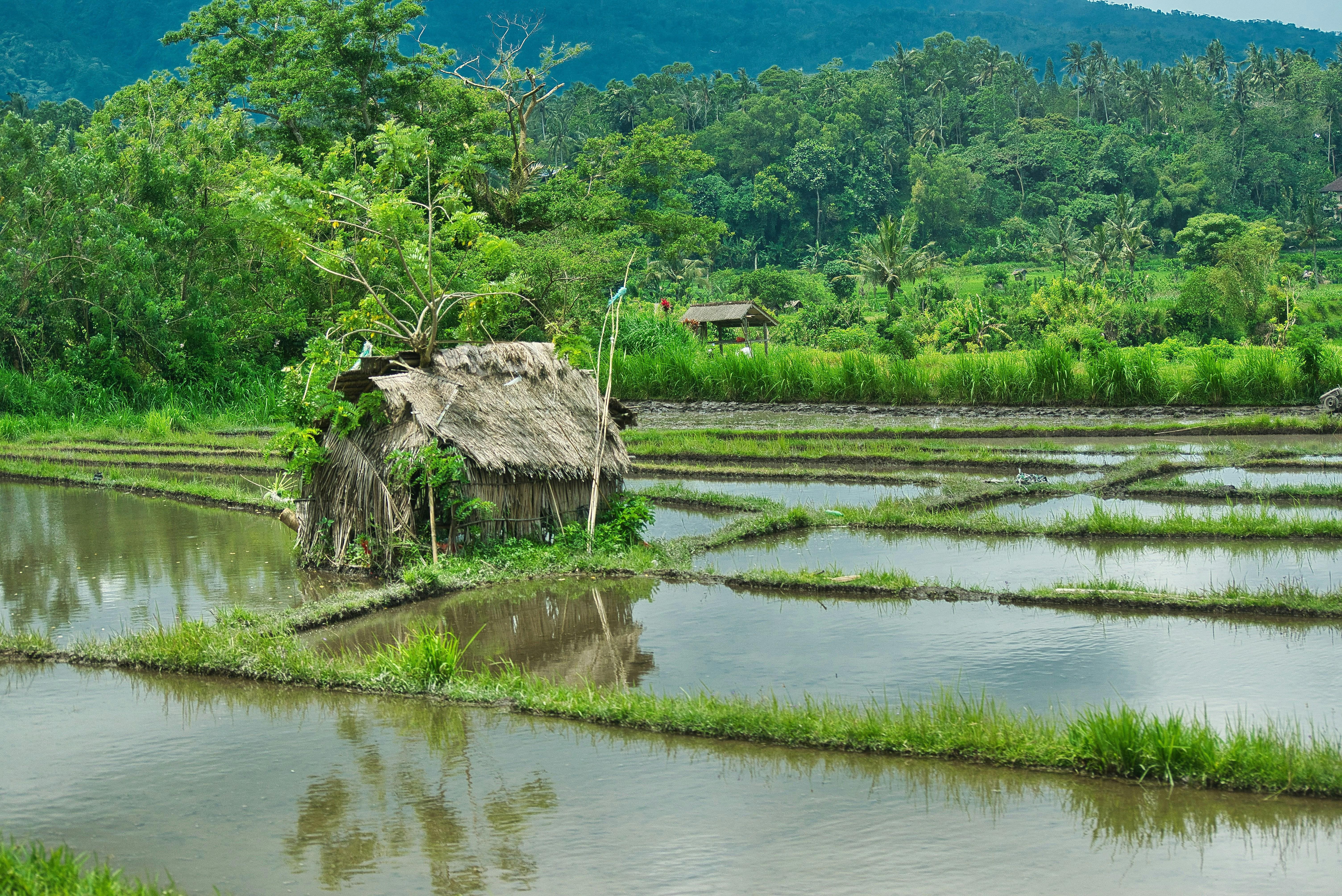
Exploring the Paddy Cultivation Process and Best Practices
Paddy cultivation is a meticulous journey that requires careful planning, appropriate techniques, and a keen understanding of soil and climate conditions. The process begins with land planning, where farmers clear the field and create bunds to retain water. this is followed by sowing, which can be achieved through direct seeding or transplanting seedlings, depending on regional practices.The selection of high-quality seeds is crucial, as they contribute considerably to yield and disease resistance. Once the seedlings are established, the cultivation process involves managing water levels, controlling pests and weeds, and applying fertilizers to enhance growth. Effective irrigation is particularly vital, ensuring that the plants receive adequate moisture without waterlogging.
As the plants mature, an understanding of the ideal harvesting time is essential for obtaining the best grain quality. Harvesting typically takes place when grains have turned golden brown, indicating optimal ripeness. Farmers traditionally use sickles or modern machines for this purpose, depending on resources available. Following the harvest, the grains go through an initial processing phase, which includes threshing, drying, and cleaning.This step is critical in removing the husks and ensuring that the grains are moisture-free, enhancing their storage viability. the final stages involve milling, where brown rice is polished into white rice, followed by quality checks to ensure that only the best grains reach consumers. The end product not only feeds communities but also celebrates the rich cultural heritage surrounding paddy cultivation.
| Stage | Description |
|---|---|
| Land Preparation | clearing and bunding the field |
| Sowing | direct seeding or transplanting seedlings |
| Harvesting | Collecting mature grains |
| Processing | Threshing, drying, and cleaning grains |

Innovations in Post-Harvest Processing Techniques
The journey of transforming paddy into polished grain has seen remarkable advancements, thanks to the integration of cutting-edge technologies and sustainable practices. The introduction of mechanized systems has revolutionized conventional methods, significantly enhancing efficiency and reducing labor costs.Thes innovations include:
- Automated Harvesting: Utilizing smart harvesting machines equipped with sensors to determine optimal harvesting time.
- Advanced drying Techniques: Implementing solar drying and temperature-controlled systems that preserve grain quality while minimizing losses.
- Precision Milling Processes: Employing modern milling machinery that retains nutritional value and minimizes breakage.
Moreover, the focus on sustainability has led to the adoption of eco-kind processing techniques. For instance, the use of biodegradable packaging and waste-to-energy systems has become more widespread, addressing environmental concerns alongside productivity. The following table highlights some key innovations aimed at reducing waste during post-harvest processing:
| Innovation | Objective | Impact |
|---|---|---|
| Recycling of By-products | Transform waste materials into animal feed or fertilizers | Minimize environmental impact |
| Waste-to-Energy Technologies | Convert agricultural waste into bioenergy | Sustainable energy source |
| Smart Supply Chain Management | Enhance tracking and reduce spoilage | Increase overall profitability |
Nutritional Benefits and Culinary Applications of Finished Grain
Finished grain,a product of meticulously processed paddy,offers a wealth of nutritional benefits that elevate it beyond basic sustenance. Rich in complex carbohydrates, it serves as an excellent source of energy, providing the body with the fuel needed for various daily activities. Additionally, finished grain is loaded with essential vitamins and minerals, including B vitamins, iron, and magnesium, which help support metabolism, improve cognitive function, and contribute to overall health. the presence of dietary fiber in these grains enhances digestive health, helps regulate blood sugar levels, and promotes a sense of fullness, making them a smart choice for individuals looking to maintain a healthy weight. This nutrient-rich profile makes finished grain particularly appealing for people with active lifestyles or those seeking to bolster their health naturally.
In terms of culinary applications, finished grain serves as a versatile ingredient, seamlessly fitting into diverse cuisines around the world.From hearty grain bowls to warm side dishes, the possibilities are endless. Some popular ways to incorporate finished grain into meals include:
- Whole Grains: Used as a base for salads or grain bowls, mixed with seasonal vegetables and proteins.
- Grain-based Breakfasts: Cooked as porridge or granola, served warm with fruits and nuts.
- Baking: Incorporated into bread, muffins, and pastries for added texture and nutrition.
Moreover, when paired with othre ingredients, finished grain can enhance flavor profiles, making it a cherished staple in culinary traditions worldwide. Below is a simple table highlighting various types of finished grains and their culinary uses:
| Type of Finished Grain | Culinary Submission |
|---|---|
| Brown Rice | Stir-fries, salads, sushi |
| Quinoa | Salads, bowls, stuffing |
| Barley | Soups, stews, salads |
| Farro | Warm salads, risottos |
Sustainable Approaches to Paddy Farming and Market trends
In recent years, the landscape of paddy farming has evolved significantly, with sustainable practices taking center stage. Farmers are increasingly adopting methods such as crop rotation, integrated pest management, and the use of organic fertilizers to minimize environmental footprints. By embracing efficient water management systems,including alternate wetting and drying (AWD),producers not only conserve this precious resource but also enhance crop yield and quality. These innovative approaches are paving the way for lower-input farming,ensuring that pests are managed naturally while increasing biodiversity. Furthermore, the commitment to sustainability is reflected in the rise of farmer cooperatives, which encourage knowledge sharing and collective efforts to implement eco-friendly techniques.
Alongside these transformative farming practices, market trends are responding positively to the growing demand for sustainably produced rice.Consumers are increasingly prioritizing organic, locally sourced, and fair-trade products, prompting retailers to adapt their offerings accordingly. The booming online marketplace for agricultural goods now showcases a variety of sustainably farmed paddy products, attracting conscious buyers. Below is a summary of recent trends and market insights:
| Trend | Impact on Market |
|---|---|
| increased demand for organic rice | Boost in price premiums for farmers |
| Shift towards local sourcing | Growth of farm-to-table businesses |
| Rise of online agricultural platforms | Enhanced accessibility for farmers and consumers |
As these sustainable practices continue to gain traction, paddy farmers are not only improving their livelihoods but also contributing to the health of the planet. By aligning their operations with market demands for transparency and responsibility, they are setting a benchmark for future agricultural innovations. The journey from field to finished grain is becoming increasingly intertwined with principles of sustainability, ensuring that paddy farming remains viable for generations to come.
To Wrap It Up
As we draw the curtain on our exploration of the transformative journey of paddy—from lush green fields to neatly packaged grains ready for your kitchen—we’re reminded of the intricate tapestry woven by nature, technology, and human ingenuity. Each step, from the careful sowing of seeds to the meticulous milling process, highlights the dedication of countless hands nurturing this staple of sustenance.
This journey is not merely a tale of agriculture; it is a testament to the resilience and adaptability of the farming community, who continue to innovate and evolve in the face of changing climates and growing demands. As we understand the rich narrative behind every grain of rice, let us also appreciate the effort and care that brings this vital resource to our tables.
In our fast-paced world, take a moment to reflect on the connection between the food we consume and the journey it undertakes to nourish us. The next time you savor a delightful rice dish, remember the story of the paddy—a symbol of life, culture, and the thriving relationship between humanity and the earth. may this knowledge enrich your meals and deepen your appreciation for the humble grain that unites us all.