
in a world increasingly driven by efficiency and innovation, the culinary landscape is undergoing a subtle yet profound transformation. At the heart of this change lies a humble staple: rice. Traditionally, rice milling has been a labour-intensive process, frequently enough confined to large-scale operations, were bulky machinery dominated the scene. However, as consumer demands shift toward convenience and sustainability, the rise of mini rice milling machines is unlocking new possibilities for both producers and home cooks alike.These compact powerhouses are not only redefining the way we process rice but are also making the art of milling accessible to a broader audience. in this article, we’ll explore how these innovative machines are bridging the gap between tradition and modernity, making rice milling simpler, more enduring, and more personal. Join us as we delve into the rise of mini rice milling machines and discover how they are reshaping our relationship with one of the world’s moast essential foods.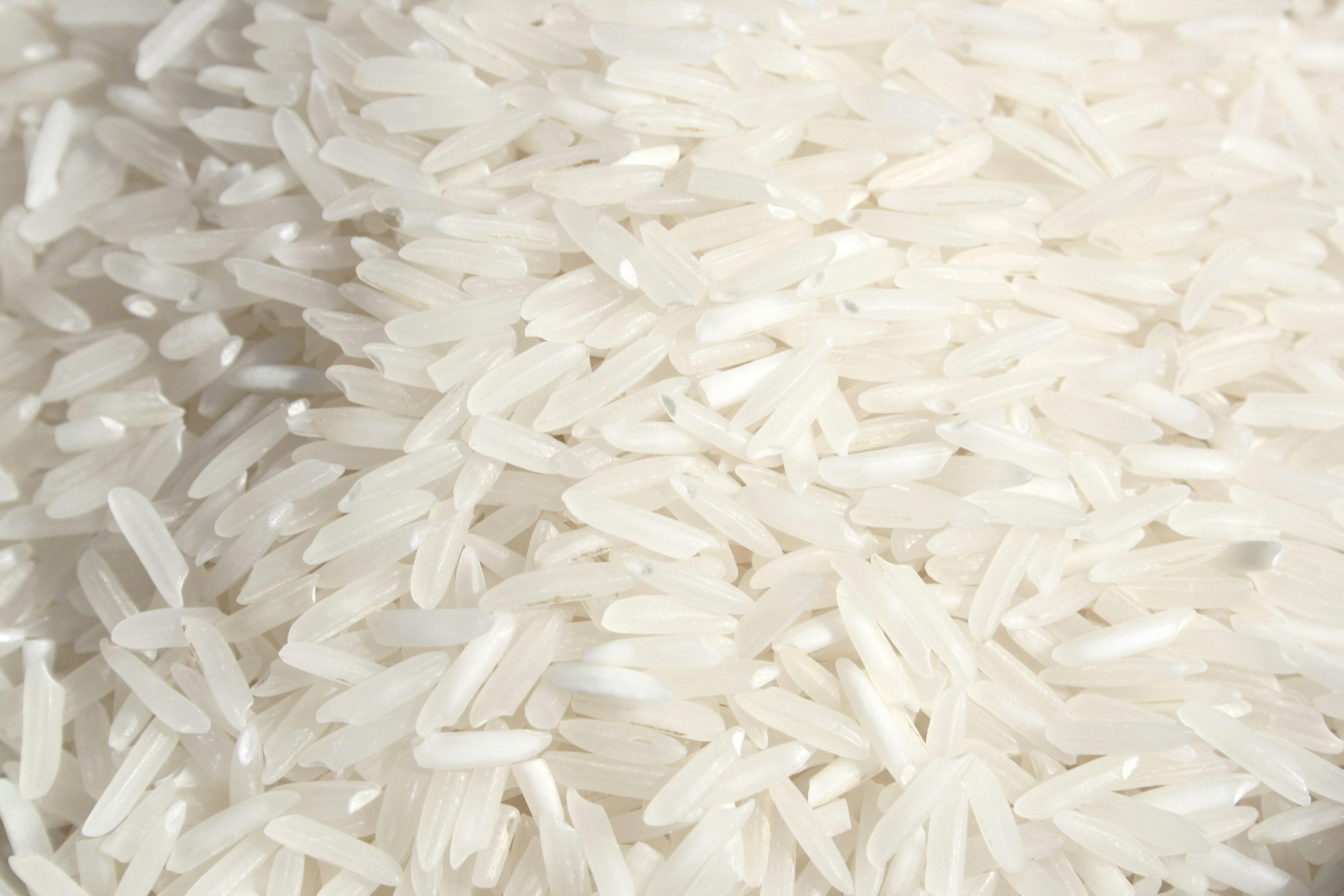
The Evolution of Rice Milling Technology: A Closer Look at Mini Machines
The landscape of rice milling has dramatically transformed over the years, leading to the emergence of mini rice milling machines that cater to the evolving needs of farmers and small-scale processors. These compact units offer a range of advantages that enhance their appeal,especially in rural and developing areas,where affordability and efficiency are paramount. With advancements in technology, mini machines have become increasingly efficient at transforming paddy into polished rice. Key features include:
- Portability: Mini machines can be easily transported, allowing for flexibility in milling locations.
- Energy Efficiency: These machines consume less power, making them cost-effective for small operations.
- ease of Use: Many mini mills are designed with user-amiable interfaces for operators of various skill levels.
Beyond practicality, mini rice milling technologies promote sustainability by reducing post-harvest losses and minimizing waste. their compact size also allows them to fit into limited spaces,making them an ideal choice for small farms and businesses. Notably, innovations in this domain have led to machines capable of milling various rice varieties while ensuring high-quality output. Below is a comparison table that highlights some popular mini rice milling machines currently available on the market:
| Machine Model | Processing Capacity (kg/h) | Price Range (USD) | Key Feature |
|---|---|---|---|
| MillPro 100 | 100 | $800 – $1,200 | Portable & Lightweight |
| RiceMaster 200 | 200 | $1,500 – $2,000 | High Efficiency & Low Noise |
| EcoMiller 300 | 300 | $2,200 – $2,800 | Solar-Powered Option |
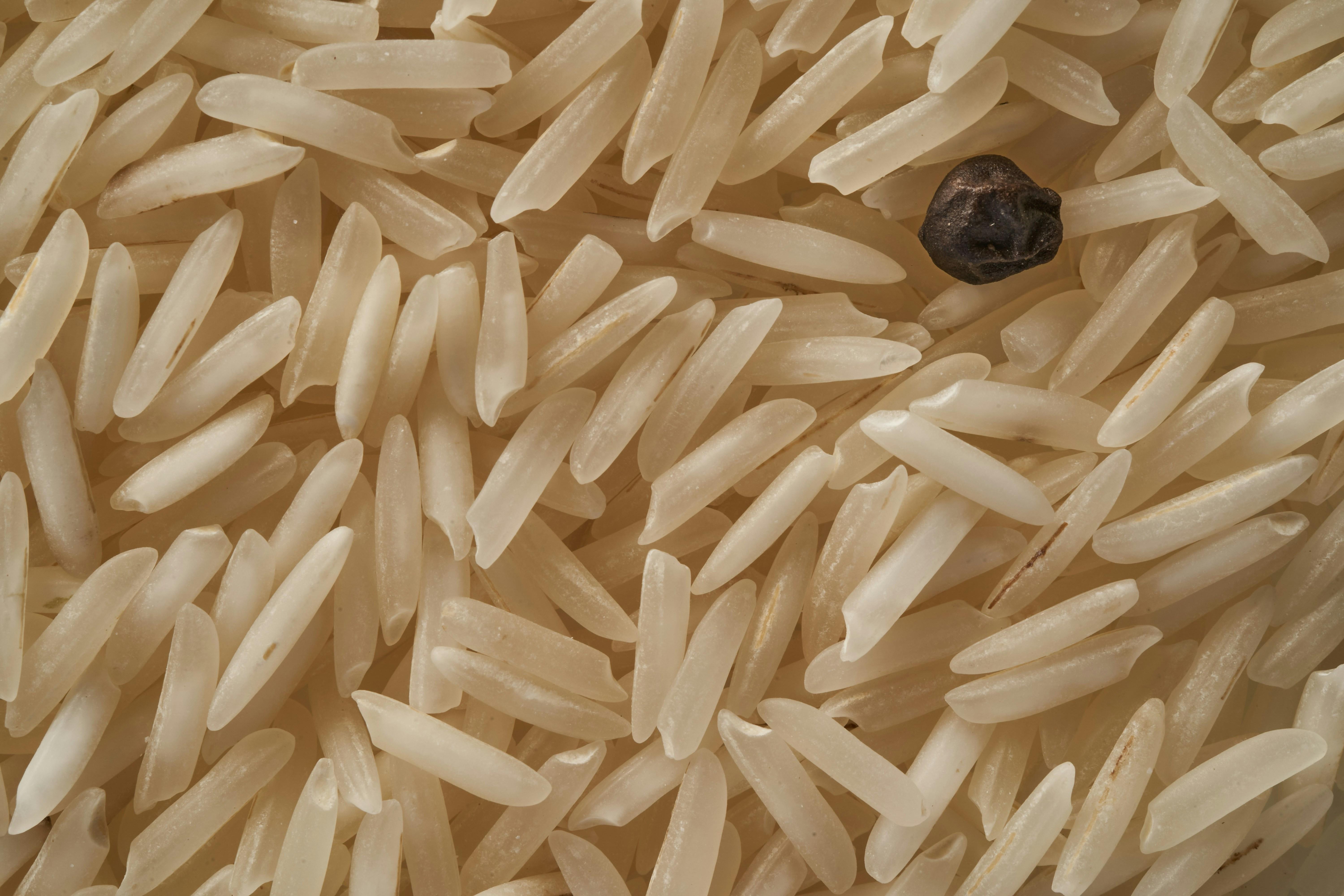
Advantages of Mini Rice Milling Machines: Efficiency Meets Accessibility
The advent of mini rice milling machines has transformed the agricultural landscape, making rice processing more efficient and accessible than ever before.These compact machines are designed to cater to the needs of small and medium-sized farmers, providing an effective solution for milling rice on-site. As customary milling often involves long transportation times and higher operational costs, mini milling machines eliminate these challenges, allowing farmers to process their harvests promptly. This not only cuts down on costs but also enhances the quality of the rice by minimizing the time between harvesting and milling.
One of the standout advantages of these machines is their user-friendly design, enabling even novice users to operate them comfortably. With reduced energy consumption and low maintenance needs,mini rice milling machines deliver notable economic benefits. Key features that set them apart include:
- Compact Size: Easy to transport and store.
- Cost-Effective: Lower investment costs compared to traditional milling setups.
- High Yield: Maximizes rice output with minimal waste.
- Durability: Built to withstand the rigors of daily use.
This combination of efficiency and practicality makes mini rice milling machines an attractive option for modern farmers looking to streamline their operations without compromising quality.
Choosing the Right Mini Rice Milling Machine: Key Features to Consider
When selecting a mini rice milling machine,there are several critical features that can considerably impact performance and convenience. First and foremost,consider the milling capacity. This is the amount of rice the machine can process in a given time frame, typically measured in kilograms per hour.A higher capacity is essential for larger households or small businesses aiming to optimize their output. Additionally,look for machines with easy-to-use controls,as user-friendly interfaces will streamline the milling process,making it accessible even to first-time users.
Equally critically important are the material quality and durability of the machine. A robust and well-constructed unit will not only withstand routine use but also ensure the safety of processed rice. Features such as adjustable milling grades allow for versatility in rice texture, which can cater to different consumer preferences. Lastly, maintenance ease is a crucial aspect; machines with easy disassembly and cleaning components can save time and extend the equipment’s lifespan, enhancing overall efficiency. Keep these features in mind to ensure you make an informed and satisfying purchase.
| Feature | Importance |
|---|---|
| Milling Capacity | Determines how much rice can be processed quickly. |
| User-Friendly Controls | Makes operation accessible, reducing learning time. |
| Durability | Ensures long-term usage and safety of the machine. |
| Adjustable Milling Grades | Allows users to customize rice texture to their preference. |
| Maintenance Ease | Facilitates rapid cleaning and part replacements. |
future trends in Rice Milling: simplifying Agriculture for Small Farmers
The future of rice milling is taking a transformative turn with the introduction of mini rice milling machines, designed specifically to cater to the needs of small farmers. These compact solutions are revolutionizing the agricultural landscape by offering a range of benefits that address both efficiency and cost-effectiveness. Farmers can enjoy the flexibility of milling their rice on-site, significantly reducing transportation costs and the risks of damage or spoilage during transit to larger milling facilities. Additionally, the ease of operation of these machines allows for minimal training requirements, enabling farmers to operate them with confidence.
Key advancements in technology are playing a vital role in the adoption of these mini milling machines. The integration of smart features such as digital interfaces and automated settings makes it easier for farmers to achieve consistent quality in their rice production. Other benefits include:
- Energy Efficiency: Reduced power consumption leads to lower operational costs.
- space-Saving Design: Compact size means they can be used in smaller agricultural setups.
- Maintenance and Durability: Built with robust materials, these machines require less frequent maintenance.
To better illustrate the impact of these innovations, consider the table below showcasing the comparative features of traditional and mini rice milling systems:
| Feature | Traditional Milling | Mini Milling |
|---|---|---|
| Operational Cost | High | Low |
| Space Requirement | Large | Compact |
| training Needs | Extensive | Minimal |
| Production Speed | Moderate | Fast |
Key Takeaways
As we conclude our exploration of mini rice milling machines, it’s clear that these compact marvels are not just a trend, but a transformative force in the agricultural landscape. By unlocking simplicity, they empower farmers, enhance efficiency, and support a sustainable future for rice production. As innovation continues to unravel the complexities of food processing, the rise of these machines illuminates a path toward accessibility and practicality, bridging the gap between tradition and modernity. With the promise of easier operations and the potential for greater yields, mini rice milling machines stand as a testament to the power of innovation in nurturing both our communities and our planet. As we move forward, let us embrace these advancements, allowing simplicity to guide us in the quest for sustainable agricultural practices that meet the challenges of tomorrow.



