
In the ever-evolving landscape of agriculture, efficiency and sustainability stand as hallmarks of modern farming practices. As the demand for food continues to rise alongside a growing global population, farmers are seeking innovative solutions that streamline operations without compromising quality. Enter the combine mini rice mill—a game-changing technology that is revolutionizing the way we process one of the world’s staple crops. This article explores the rise of these compact powerhouses, examining how they not only enhance productivity but also align with the principles of sustainable agriculture. Join us as we delve into the mechanics, benefits, and the broader impact of combine mini rice mills on rural economies and food security.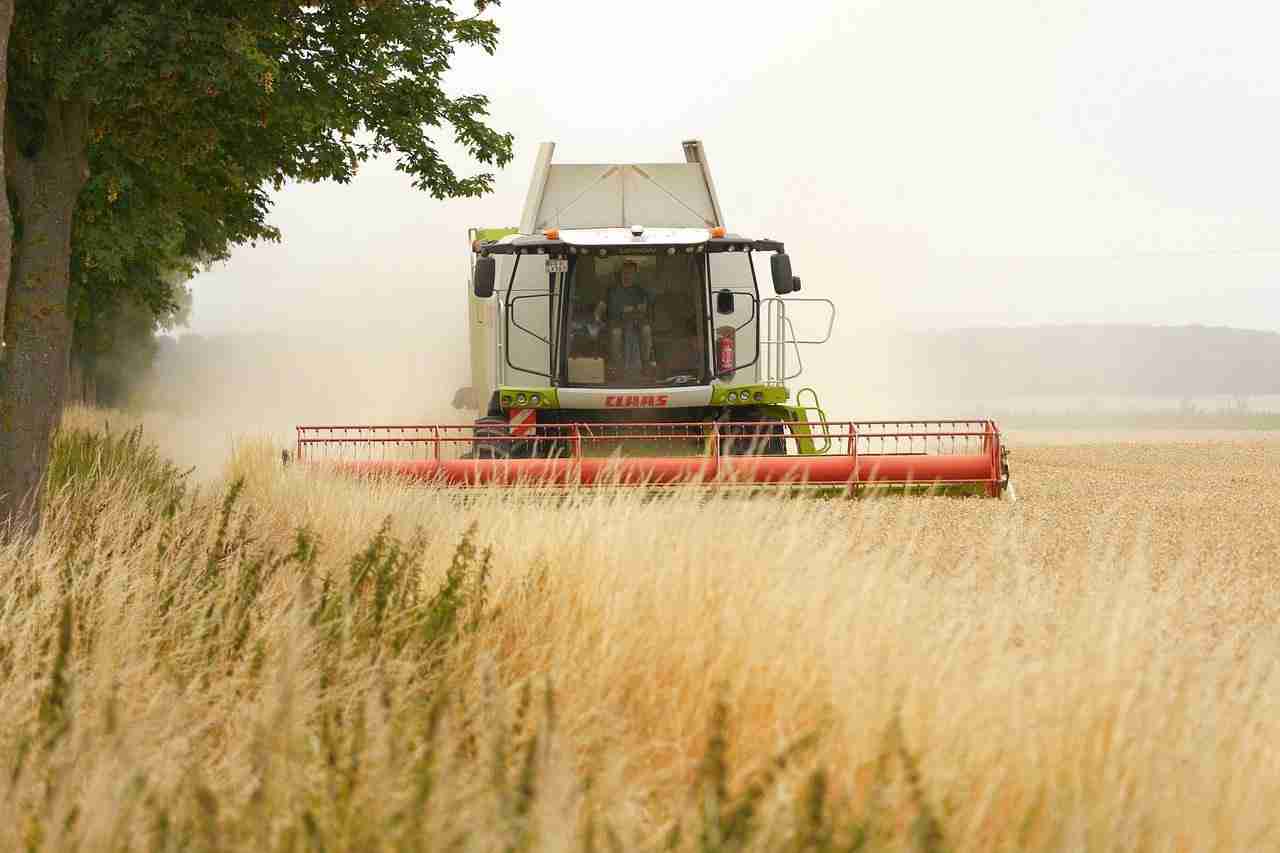
Unlocking the Potential of Combine Mini Rice Mills in Modern Agriculture
The evolution of agriculture has paved the way for innovative machinery that streamlines processes and enhances productivity. Among these advancements, combine mini rice mills are making waves in the agricultural sector. These compact powerhouses integrate multiple functionalities into a single machine, which helps farmers minimize labor costs while maximizing output. With features like harvesting, threshing, and milling embedded in one system, farmers can significantly reduce the time spent on each task. This efficiency not only saves precious resources but also contributes to timely market deliveries, ensuring that fresh produce reaches consumers without unnecessary delays.
Adopting combine mini rice mills has several key benefits that contribute to sustainable farming practices. Firstly, these mills are designed to operate on a smaller scale, making them accessible for smallholder farmers who previously relied on traditional methods that were often labor-intensive and time-consuming. The following advantages highlight their importance in contemporary rice production:
- Cost-Effective: Reduced operational costs due to lower labor requirements and faster processing times.
- Versatile Processing: Ability to handle multiple stages of rice production, from harvesting to milling.
- Compact Design: Suitable for smaller farmland and easier to transport, increasing accessibility.
- Improved Quality: Advanced technology ensures better quality rice with minimal losses during processing.

Exploring Technological Innovations Driving Efficiency in Rice Processing
The advent of mini rice mills has revolutionized the agricultural landscape, particularly in regions where rice is a staple crop. These compact machines come equipped with advanced technology that significantly enhances processing efficiency. The automation of milling processes minimizes manual labor, allowing farmers to focus on other crucial aspects of rice production. Key features of these combine mini rice mills include:
- Compact Design: Their smaller footprint allows for installation in limited spaces, making them ideal for small-scale farmers.
- Energy Efficiency: These mills consume less power compared to traditional milling methods, leading to lower operational costs.
- High-Quality Output: Equipped with precision milling technology, they produce rice with better quality and fewer broken grains.
Furthermore, the technological advancements in these mills contribute to sustainable farming practices. By reducing waste and optimizing resource use, farmers can achieve greater yields while adhering to eco-friendly methods. A comparative analysis of traditional vs. mini rice mills shows significant advantages in operational performance:
| Parameter | Traditional Rice Mill | Mini Rice Mill |
|---|---|---|
| Power Consumption | High | Low |
| Space Requirement | Large | Compact |
| Output Quality | Standard | Premium |
| Labor Intensity | High | Low |
This table emphasizes how opting for mini rice mills can lead to improved productivity and sustainability in rice processing, ultimately contributing to the long-term viability of farming communities.
Sustainable Practices: Minimizing Waste and Enhancing Productivity
In the pursuit of sustainable food production, the adoption of innovative technologies has become paramount in reducing waste while maximizing output. Mini rice mills epitomize this shift, offering a compact, efficient solution that minimizes excess by processing rice in smaller quantities without sacrificing quality. With the integration of energy-saving mechanisms and streamlined operations, these mills not only consume fewer resources but also significantly lessen the environmental burden associated with traditional large-scale milling practices. The innovative designs allow for efficient use of raw materials, ensuring that waste generation is kept to a minimum while enhancing overall productivity.
Furthermore, the virtues of combine mini rice mills extend beyond mere productivity. They embody a holistic approach to farming that encourages farmers to adopt environmentally friendly methods. By prioritizing local sourcing of materials and promoting low-energy consumption, these mills contribute to a more circular economy. Key benefits include:
- Reduced Resource Consumption: Utilizing fewer inputs for greater yields.
- Localized Processing: Encouraging local economies and minimizing transportation waste.
- Waste Recovery: Transforming by-products into useful materials, such as biofuel or organic fertilizer.
The table below highlights the contrast between traditional milling methods and mini rice mills in terms of sustainability metrics:
| Aspect | Traditional Milling | Mini Rice Mills |
|---|---|---|
| Energy Usage | High | Low |
| Waste Generation | High | Minimal |
| Transportation Emissions | Significant | Reduced |
Recommendations for Farmers: How to Integrate Mini Rice Mills for Maximum Benefit
Farmers looking to enhance their productivity and profitability can significantly benefit from the integration of mini rice mills into their operations. These compact and efficient machines offer numerous advantages, such as improved rice processing speed and reduced reliance on external milling services. To maximize the benefits of mini rice mills, farmers should consider the following strategies:
- Assess Farm Size and Capacity: Evaluate the scale of your farming operations to determine the appropriate model and capacity of the mini rice mill. A suitable match will optimize processing times and minimize waste.
- Invest in Training: Provide training to staff and operators on the best practices for using the mini rice mill. Knowledgeable personnel can ensure the machinery runs smoothly and efficiently.
- Implement Quality Control Measures: Establish a system for quality control during the milling process to maintain high-quality output and minimize losses due to poor handling.
Additionally, farmers should explore collaborative opportunities that can further enhance the functionality of mini rice mills. By forming cooperatives with fellow farmers, they can share resources, reduce costs, and create a communal market for the milled rice. Consider the following collaborative approaches:
| Collaboration Type | Benefits |
|---|---|
| Cooperative Milling Design | Shared usage of equipment lowers individual costs while maximizing milling capacity. |
| Joint Marketing Efforts | Unified branding and marketing can attract a larger customer base and enhance sales. |
| Knowledge Exchange Programs | Farmers can share best practices, leading to improved techniques and better yield. |
Embracing these recommendations will not only boost operational efficiency but also position farmers for long-term success in a competitive grain market.
The Conclusion
the emergence of combine mini rice mills signals a transformative shift in the agricultural landscape. By merging efficiency with accessibility, these innovative machines empower farmers to streamline their production processes while maintaining quality and sustainability. As the demands of the modern market continue to evolve, the adoption of these compact powerhouses offers a promising solution to meet the challenges of rice cultivation.
Embracing technology in agriculture not only enhances productivity but also nurtures economic growth and food security. As we move forward, the potential of combine mini rice mills will undoubtedly play a pivotal role in shaping the future of rice farming, paving the way for a new era of agricultural excellence. The journey has just begun, and its impact may well resonate for generations to come.



