
In an era where sustainability and efficiency reign supreme, the journey from grain to table is undergoing a remarkable transformation. Enter mini rice mills—compact, innovative machines that are revolutionizing the way we process one of the world’s staple foods. These small-scale grain processing units are not just a response to the agricultural challenges of the modern age; they represent a shift towards localized production, reduced waste, and increased accessibility for farmers and consumers alike. As communities seek to reclaim their food sovereignty and enhance their culinary heritage, mini rice mills are emerging as crucial players in the push for streamlined grain processing. This article explores the rise of these ingenious machines, delving into their impact on agriculture, sustainability, and the way we enjoy rice in our daily lives. Join us on a journey that celebrates not just the grain, but the people and technology that bring it to our tables.
The Evolution of Mini Rice Mills in Modern Agriculture
The landscape of agriculture has transformed remarkably, particularly with the advent of mini rice mills, which have redefined the way rice is processed. Traditionally, rice processing involved large, industrial-scale mills that required significant investment and extensive infrastructure. In contrast, mini rice mills have emerged as a viable solution, specifically tailored for small to medium-sized farmers. These compact machines offer numerous advantages, such as enhanced efficiency, reduced waste, and affordability. As a result, they have become an essential asset in rural agricultural settings where access to larger facilities is limited.
Furthermore, the introduction of innovative technologies within mini rice mills has played a crucial role in their evolution. Modern mills now integrate features like automated husking, polishing mechanisms, and energy-efficient designs that significantly improve the processing quality and speed. This evolution not only boosts productivity but also fosters sustainability through reduced energy consumption and lower carbon footprints. The following table illustrates some of the key features and benefits of today’s mini rice mills:
| Feature | Benefit |
|---|---|
| Compact Size | Requires less space, making it accessible for small farms. |
| Low Operating Costs | Reduces financial barriers for farmers. |
| Easy Maintenance | Simplifies upkeep and ensures longevity. |
| High Efficiency | Increases rice yield with minimal losses. |
Enhancing Efficiency: How Mini Rice Mills Optimize Supply Chains
The advent of mini rice mills has brought a paradigm shift in supply chain management in the agricultural sector. By integrating multiple stages of rice processing into one compact system, these mills significantly reduce reliance on traditional, large-scale facilities. This transformation allows for a more responsive manufacturing process, where delivery times are minimized and inventory levels can be closely monitored. The result is a streamlined approach that has several benefits, including:
- Reduced Transportation Costs: With milling operations happening closer to sources of raw grain, logistical expenses associated with long-distance transportation can be effectively mitigated.
- Improved Freshness: By milling rice on-site or within the local area, consumers can enjoy fresher grains with enhanced flavor and nutritional value.
- Local Economic Growth: Mini rice mills create job opportunities in rural areas, fostering community development and reducing urban migration.
Furthermore, the flexibility of mini rice mills allows smaller farmers to participate in the supply chain, enabling them to process their harvests efficiently without dependence on intermediaries. This empowerment opens doors for direct-to-consumer sales, enhancing profit margins for producers. The operational efficiency of these mills is evident in their ability to adapt to market fluctuations and consumer demand, leading to:
| Key Benefits | Description |
|---|---|
| Quality Control | Local milling ensures better quality of the end product, as farmers oversee the entire process. |
| Sustainability | Reduced transportation emissions contribute to a lower carbon footprint for the rice supply chain. |
Nutritional Benefits and Sustainability in the Grain-to-Table Journey
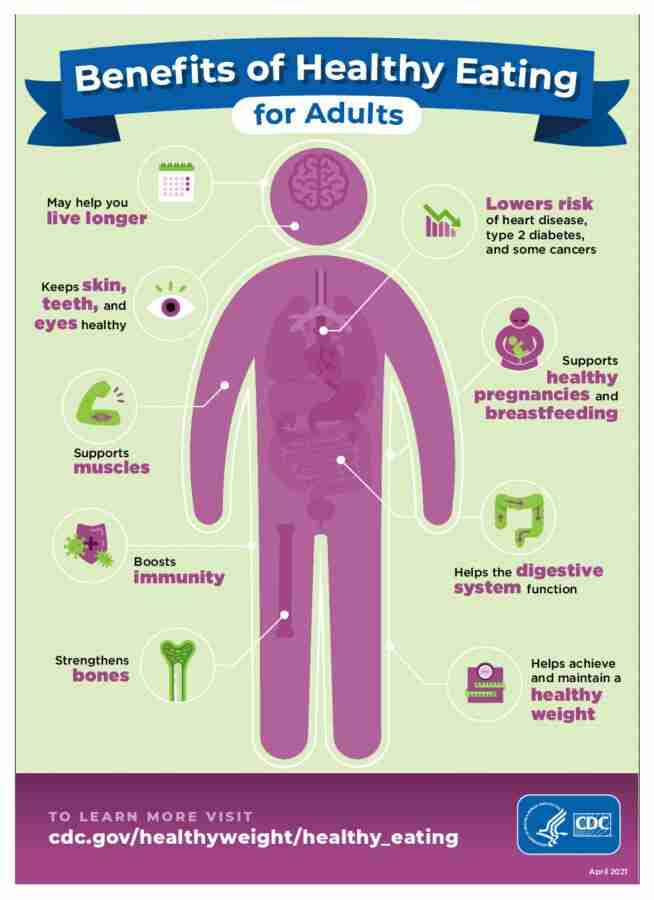
The journey from grains to our tables is not merely about fulfilling hunger; it’s a complex process laden with nutritional significance and rippling effects on sustainability. Mini rice mills are revolutionizing this pathway by ensuring that rice retains its natural nutrients, which often diminish during large-scale processing methods. By utilizing these smaller facilities, consumers benefit from:
- Enhanced Freshness: Minimally processed grains maintain more vitamins and minerals, bolstering the nutritional profile.
- Local Sourcing: Mini mills often source grains locally, reducing transportation emissions and promoting regional agriculture.
- Customization: Customers can choose their preferred milling settings, allowing for a variety of textures and tastes while maximizing nutrient retention.
Moreover, the sustainability aspect extends beyond just nutritional preservation. The localized operation of mini rice mills directly contributes to reduced energy consumption and less waste. Consider the following key advantages:
| Sustainability Factor | Impact |
|---|---|
| Water Usage | Lower consumption due to controlled milling processes |
| Waste Reduction | Minimal disposal of by-products through community use |
| Carbon Footprint | Reduced through shorter supply chains and local engagement |
By embracing the grain-to-table movement through mini rice mills, consumers not only nourish themselves but also contribute to an ecologically sustainable food system. This localized approach paves the way for a balanced diet and a healthier planet, creating a harmonious interplay between nutrition and the environment.
Empowering Farmers: The Economic Impact of Mini Rice Mills on Local Communities
The introduction of mini rice mills has brought transformative change to local agricultural economies, significantly empowering farmers and enhancing their livelihoods. By allowing quick and efficient processing of rice, these mills reduce the dependency on large-scale commercial mills that can be cost-prohibitive for smallholder farmers. The benefits include:
- Increased Income: Farmers can sell processed rice at higher prices than unprocessed paddy, boosting their gross earnings.
- Job Creation: Mini mills create local job opportunities, from milling to distribution, which fosters community engagement.
- Reduced Post-Harvest Losses: With timely milling services, farmers can protect their harvest from spoilage and pest infestations.
Moreover, the economic ripple effect of mini rice mills extends beyond the immediate beneficiaries. Local communities experience growth through related businesses and services emerging around these mills. For example, a mini rice mill can lead to:
- Increased Demand for Local Goods: Vendors for bags, packaging, and transportation services inevitably grow in number.
- Enhanced Food Security: More efficient processing allows for greater food availability at local markets, benefiting consumers.
- Strengthened Local Cooperatives: Farmers can band together to invest in mills, sharing costs and resources, which fosters collaboration.
| Economic Benefit | Impact on Farmers |
|---|---|
| Higher Selling Prices | Increased profits from milling |
| Job Creation | More work opportunities in the community |
| Food Availability | Improved access to quality rice for consumers |
To Wrap It Up
As we draw the curtain on our exploration of the rise of mini rice mills and their transformative impact on the grain-to-table journey, it’s clear that these compact powerhouses are more than just machines; they are symbols of innovation and sustainability in agriculture. By empowering local farmers, reducing food miles, and enhancing quality control, mini rice mills are reshaping the landscape of rice production and consumption.
This evolution reflects a broader trend in the food industry: a growing desire for transparency, efficiency, and connection to the source of our nourishment. As consumers increasingly seek fresher, locally-sourced products, mini rice mills stand at the forefront, championing a vision where grain is not only harvested but celebrated in its journey to our tables.
The implications of this shift are profound, promising not only to improve the livelihoods of rural communities but also to contribute to a more resilient food system. As we continue to navigate the complexities of agriculture and food sustainability, the mini rice mill phenomenon serves as a reminder of the power of innovation in meeting the needs of both producers and consumers alike. The future looks bright, and as we celebrate the simplicity and efficiency of these mills, we invite you to reflect on the next meal you enjoy, knowing the journey it took from field to fork.



