
In recent years, the humble rice grain has taken center stage in an unexpected revolution—a rise in the popularity of mini rice mills. Once the privilege of large-scale producers, the milling of rice is now being democratized, bringing new opportunities to rural farmers and small business owners. As global demands for sustainable practices and localized production increase, these mini marvels are reshaping the agricultural landscape, empowering communities and unlocking the potential of individuals to produce and process their own rice with greater efficiency and less environmental impact. In this article, we explore the driving forces behind this trend, the technology that makes it possible, and the transformative effects on local economies and food systems. Join us as we delve into the world of mini rice mills, where innovation meets tradition, and possibilities abound.
Exploring the Transformation of Local Agriculture through Mini Rice Mills
Across the globe, the agricultural landscape is witnessing a remarkable shift, thanks to the advent of mini rice mills. These compact, efficient machines are revolutionizing how farmers process their paddy, drastically reducing the time and effort previously required for milling. The impact of this technology is profound, fostering local economic growth and enhancing food security. With lower operational costs and easy accessibility, smallholder farmers are experiencing a new level of autonomy over their produce, allowing them to retain more profits and invest in their communities.
The benefits extend beyond mere economics; mini rice mills contribute to sustainability and reduce waste. By streamlining the milling process, these machines minimize byproducts and improve the quality of the finished rice, which in turn appeals to more discerning markets. The ripple effect of this transformation includes the creation of local jobs, revitalization of rural economies, and even the encouragement of agronomy-based innovations. Adaptability is key, as these mills are often designed to integrate with solar power and other renewable resources, thereby promoting a greener agricultural sector. Below is a simplified comparison of traditional milling versus mini rice milling:
| Aspect | Traditional Milling | Mini Rice Milling |
|---|---|---|
| Operational Cost | High | Low |
| Time to Process | Longer | Faster |
| Quality of Rice | Varied | Consistent |
| Waste Produced | High | Minimized |
Enhancing Food Security and Economic Resilience in Rural Communities
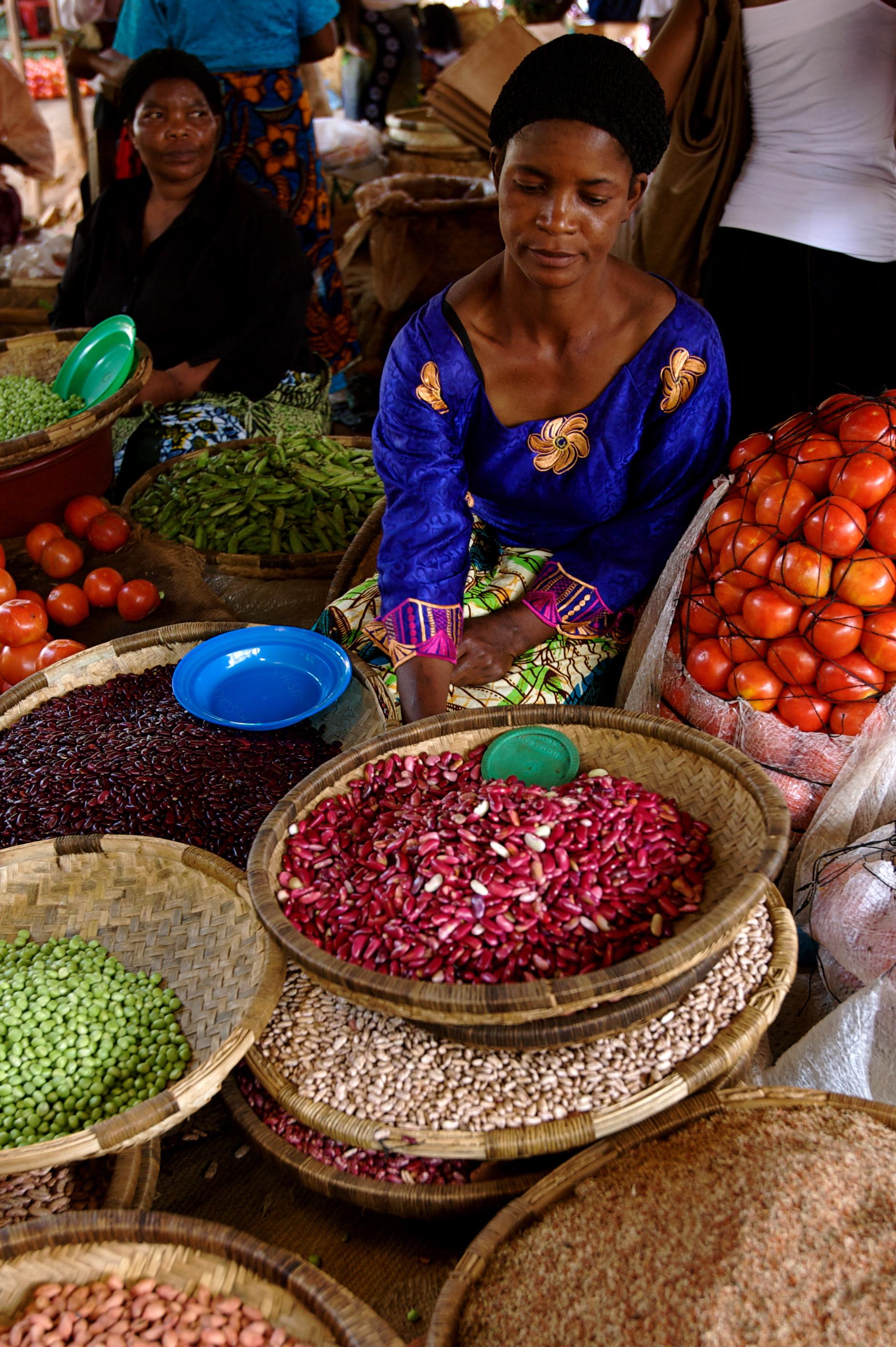
The integration of mini rice mills within rural communities serves as a pivotal strategy in bolstering food security and fostering economic resilience. These compact milling systems empower local farmers by enabling them to process their harvested rice efficiently and without the need for extensive transport to larger mills. This localization not only reduces costs but also diminishes the carbon footprint associated with transporting grains over long distances. As a result, community members can enjoy fresher produce while ensuring that more of the economic benefit remains within the local area.
Furthermore, mini rice mills create job opportunities that contribute significantly to the social fabric of these communities. With these installations in place, a variety of ancillary businesses emerge, such as maintenance services and packaging firms. The ripple effect of these enterprises cultivates a thriving local economy characterized by:
- Increased income for farmers due to direct sale of milled rice.
- Job creation in milling operations and related services.
- Community empowerment through self-sufficiency and reduced reliance on outside industries.
To illustrate the impact of mini rice mills on rural economies, consider the following table:
| Impact Area | Before Mini Mills | After Mini Mills |
|---|---|---|
| Local Income | Low | Significantly Increased |
| Employment Opportunities | Scarce | Growing |
| Food Accessibility | Limited | Enhanced |
As demand for processed rice continues to grow, the establishment of mini rice mills positions rural communities to harness their agricultural potential effectively, creating a robust foundation for sustainable development.
Innovative Technologies Driving mini rice mill Efficiency and Sustainability
Recent advancements in technology have revolutionized the functionality and appeal of mini rice mills, making them essential in modern agrarian practices. These cutting-edge machines now incorporate automated milling processes, which streamline operations and minimize labor costs. Key enhancements include:
- Advanced milling techniques that reduce grain loss;
- Energy-efficient motors that lower electricity consumption;
- Smart sensors for real-time monitoring of moisture and grain quality;
- Compact designs that enable easy transport and installation.
Additionally, sustainability has become a core focus, leading to processes that embrace eco-friendliness. Innovations like solar-powered mills and waste recycling systems are gaining traction. These developments not only ensure minimal environmental impact but also contribute to cost savings for farmers. The following table summarizes the benefits of these sustainable practices:
| Technology | Benefit |
|---|---|
| Solar-Powered Mills | Reduces reliance on fossil fuels |
| Waste Recycling Systems | Converts by-products into biofuel |
| Water Efficient Grain Processing | Minimizes water wastage |
Strategic Insights for Entrepreneurs: Launching a Successful mini rice mill Business
For entrepreneurs eager to tap into the thriving rice milling industry, launching a mini rice mill can be a lucrative venture. To navigate this competitive landscape successfully, it’s crucial to understand key market dynamics and consumer needs. Start by conducting thorough market research to identify local demand and supply gaps. Focus on sourcing high-quality paddy and ensure access to reliable, cost-effective milling technology. Additionally, embracing sustainable practices not only appeals to environmentally conscious consumers but can also reduce operational costs.
Consider the following strategic insights when embarking on this journey:
- Location Matters: Establishing your mini rice mill in areas with abundant paddy production can significantly reduce transportation costs.
- Brand Differentiation: Offering organic or locally sourced rice can set your product apart from competitors.
- Innovative Marketing: Utilize social media platforms and local marketing strategies to build brand recognition and attract customers.
- Community Engagement: Establish partnerships with local farmers to create a mutual benefit, thus fostering customer loyalty.
Utilizing efficient technology is key to maintaining profitability and scaling operations. Here’s a simple comparison of types of milling technology that entrepreneurs can consider:
| Technology Type | Key Features | Benefits |
|---|---|---|
| Traditional Milling | Manual operation, low capital investment | Cost-effective for small-scale production |
| Automated Mini Mills | Electric powered, faster operation | Increased efficiency and lower labor costs |
| Hybrid Systems | Combines manual and automated elements | Flexibility to adapt to varying production scales |
By leveraging these insights and technologies, aspiring entrepreneurs can create a competitive edge in the mini rice mill sector, ensuring a successful and sustainable business venture.
Key Takeaways
the rise of mini rice mills represents more than just a trend in agricultural technology; it is a testament to innovation, sustainability, and empowerment within communities around the globe. As these small-scale mills begin to dot the landscape, they are not only redefining the rice milling industry but also unlocking vast potential for local farmers and entrepreneurs. The democratization of rice processing paves the way for enhanced food security, income generation, and economic independence.
As we stand at this intersection of tradition and modernity, the future looks promising. From the bustling fields to the community markets, mini rice mills are weaving a new narrative—one where accessibility and efficiency drive growth and choice. Let us continue to champion these changes and explore the opportunities they create, for it is through such initiatives that we can truly harness the power of local resources and elevate livelihoods. With every grain processed, we are not just milling rice; we are nurturing dreams and fostering resilience in our agricultural systems. The potential is limitless, and together, we can unlock it.



