
In the heart of countless households around the globe, rice stands as a staple, a comfort food, and a symbol of prosperity—yet, beneath this humble grain lies a world of complexity and innovation. As farmers strive to meet the growing demands of an ever-expanding population, technology steps in to redefine traditional practices. Enter the combine mini rice mill, a game-changing solution that promises to revolutionize rice production. These compact marvels not only enhance efficiency and reduce labor costs but also empower local farmers by providing them with tools that were once the domain of large-scale operations. In this article, we will explore the rise of combine mini rice mills, examining how they are transforming the landscape of rice cultivation, making the process more accessible, sustainable, and economically viable for communities around the world. Join us as we delve into the mechanics, benefits, and implications of this modern agricultural advancement.
The Evolution of Rice Production Technology
Over the decades, the rice production landscape has undergone remarkable transformations driven by innovative technologies. The emergence of combine mini rice mills has marked a significant shift, providing small-scale farmers with efficient and cost-effective solutions for processing rice. Unlike traditional milling systems that demand extensive manpower and equipment, these compact mills integrate multiple functions, allowing farmers to perform threshing, cleaning, and milling in a single pass. This not only saves time but also minimizes post-harvest losses, ensuring better yield quality and improved income for those who depend on rice farming as their primary livelihood.
has also been characterized by enhanced automation and precision agriculture. Today, many farmers utilize smart farming tools and data analytics to optimize production. Key benefits of these advancements include:
- Reduced labor costs: Automated processes require fewer hands on deck.
- Increased efficiency: Quick processing and turnaround times.
- Improved quality control: Ensures consistency and standards in rice output.
- Sustainable practices: Minimizes waste and preserves resources.
| Technology | Impact |
|---|---|
| Combine Mini Rice Mills | Streamlined processing, reduced losses |
| Automation & Data Analytics | Enhanced decision-making, better yields |
| Sustainable Techniques | Resource efficiency, environmental benefits |
With the continued integration of modern technologies, rice production not only becomes more feasible but also exemplifies an adaptive response to the global food demand. As the agricultural sector embraces these advancements, the future looks promising for rice producers, especially in regions where rice is a staple food. This evolution signifies a brighter horizon, where innovative approaches can nourish populations and sustain livelihoods alike.
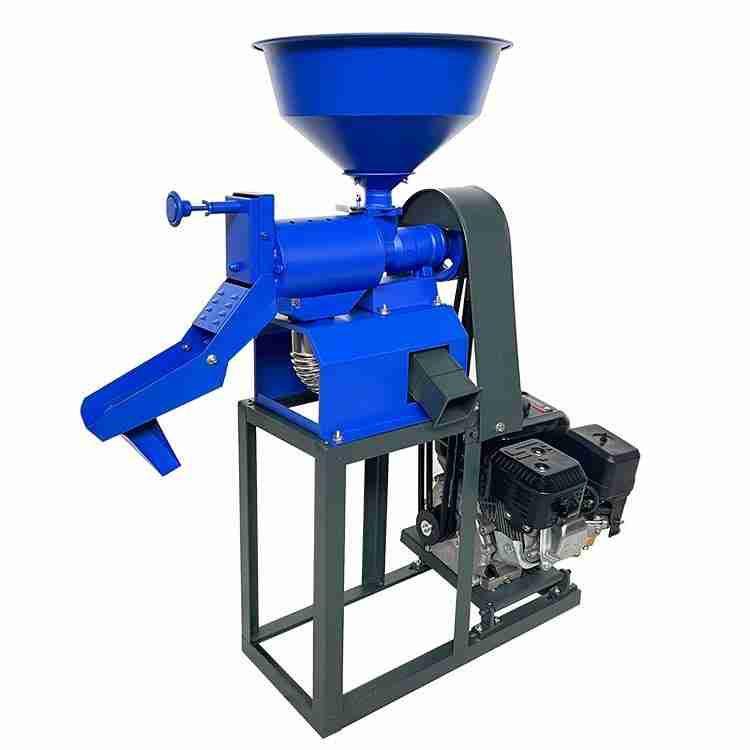
Benefits of Mini Rice Mills for Smallholder Farmers
The incorporation of mini rice mills into the operations of smallholder farmers has revolutionized rice production, providing numerous advantages that empower these agricultural entrepreneurs. First and foremost, efficiency plays a pivotal role. Smallholder farmers can now process their harvest with minimal time investment, allowing them to shift focus onto other critical farming activities. The compact design of these mills means they can be operated in tight spaces, making them accessible even in rural areas where larger machinery may not be feasible. Furthermore, these mills also produce minimal waste, enhancing the overall yield of each farm’s output.
In addition to efficiency, mini rice mills promote economic sustainability. By reducing dependence on larger milling facilities, farmers can retain a greater portion of their profits. The ability to process rice on-site not only cuts transportation costs but also allows for the sale of freshly milled rice, which typically fetches better prices in local markets. This boosts the overall income for smallholder families, fostering a sense of community resilience. Moreover, by providing local jobs and promoting niche production in the rice value chain, these mills help cultivate a robust economic ecosystem. Ultimately, the advantages of mini rice mills extend far beyond the field, sparking a powerful transformation in rural agricultural landscapes.
Sustainable Practices in mini rice mill Operations
Incorporating eco-friendly methodologies into mini rice mill operations is essential for fostering sustainability in agriculture. The integration of renewable energy sources, such as solar power and biomass, significantly reduces reliance on fossil fuels. Additionally, water conservation techniques like the adoption of closed-loop water systems can minimize usage while maintaining optimal efficiency. By implementing these systems, mills can ensure their operations have a reduced environmental footprint, thus contributing to the preservation of local ecosystems.
Moreover, investing in advanced technology plays a crucial role in enhancing the sustainability of milling processes. Modern mini rice mills are equipped with energy-efficient machinery that not only lowers energy consumption but also maximizes yield and reduces waste. Some of the sustainable practices include:
- Using waste by-products: Utilizing rice husks and bran as organic fertilizers or fuel sources.
- Implementing eco-friendly packaging: Opting for biodegradable or recyclable materials to reduce plastic pollution.
- Optimizing supply chains: Sourcing raw materials locally to decrease transportation emissions and support community farmers.
The following table outlines typical energy consumption and waste reduction strategies adopted by mini rice mills:
| Strategies | Benefits |
|---|---|
| Solar Energy Installation | Reduces operating costs and carbon footprint. |
| Closed-loop Water System | Minimizes water usage and preserves local water bodies. |
| Efficient Machinery | Increases productivity while lowering energy costs. |
Future Trends and Innovations in Rice Milling Industry
As the rice milling industry evolves, several innovative trends are shaping its future landscape. One notable movement is the integration of advanced technology into rice processing. With the advent of smart milling techniques, the industry is witnessing the implementation of automation and IoT (Internet of Things) solutions that streamline operations, enhance efficiency, and improve product quality. Farmers and millers are increasingly adopting these smart solutions, which offer real-time monitoring and predictive analytics, allowing for optimized grain processing and waste reduction.
Moreover, sustainability is emerging as a core focus within the industry. The push towards environmentally friendly milling processes is driving innovations such as energy-efficient machines and waste-recycling systems. Operators are now looking for ways to minimize their carbon footprint whilst maximizing yield, leading to a booming market for eco-friendly milling technologies. Key trends include:
- Solar-powered rice mills: Harnessing renewable energy to reduce operational costs.
- Water-saving processes: Developing techniques that require less water during processing, addressing global water scarcity.
- Biodegradable packaging: Transitioning to green packaging solutions to enhance sustainability and market appeal.
In the context of equipment innovation, combine mini rice mills are becoming particularly prominent as they offer enhanced mobility and efficiency for small-scale farmers. These compact units allow farmers to mill rice on-site, reducing the need for transportation and additional processing costs. The adoption of these mills is expected to foster economic resilience in rural communities, creating a self-sufficient agricultural framework that benefits both producers and consumers alike.
Key Takeaways
As we stand at the intersection of tradition and innovation, the rise of combine mini rice mills signals a new chapter in rice production. These compact powerhouses not only promise enhanced efficiency and lower operational costs but also contribute to a sustainable agricultural landscape. By integrating modern technology with the age-old practices of rice cultivation, smallholder farmers are empowered to meet the growing demands of consumers while preserving their cultural heritage. As we look forward to the future of rice farming, it is clear that the path ahead is paved with possibilities, promising a blend of productivity and sustainability that could redefine this staple crop for generations to come. In the ever-evolving world of agriculture, the revolution of mini rice mills highlights the importance of adapting to changing needs while honoring the legacy of the land. The dialogue surrounding rice production is far from over; in fact, it’s just beginning.



