
In the vast tapestry of culinary delights, few ingredients hold the same revered status as rice. This staple food, cherished across cultures, sprouts gracefully from the earth, nourished by sun and soil. Yet, before it graces our tables, rice undergoes a transformation through the intricate process of milling. Not all rice mills are created equal, and the quality of this process can significantly impact the flavor, texture, and nutritional value of the grains we consume. Join us on a journey as we explore the art of grain milling, unlocking the secrets behind the best rice mills. In this guide, we’ll delve into the criteria that distinguish exceptional mills, spotlight renowned producers, and equip you with the knowledge to choose rice that not only satisfies your palate but also nourishes your body. Whether you’re a gourmet chef or a home cook, understanding the nuances of rice milling is essential to elevating your culinary creations. Let’s embark on this quest for quality grains together.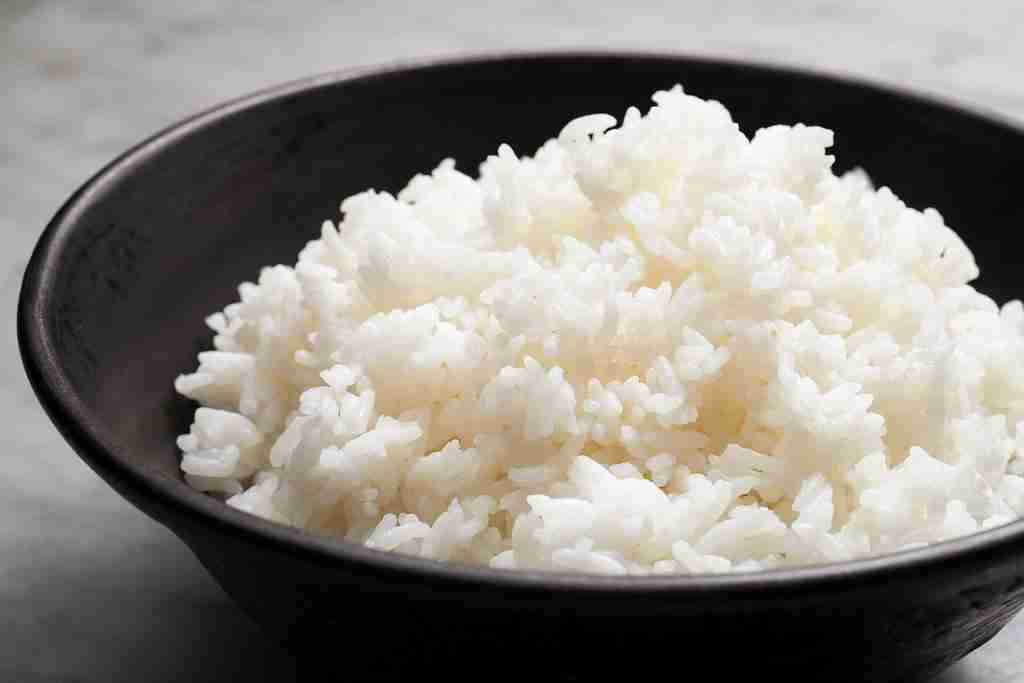
Exploring the Varieties of Rice: Understanding Grain Types for Optimal Quality
The world of rice offers a fascinating array of grain types, each possessing unique qualities that cater to diverse culinary needs. Understanding these varieties is fundamental for selecting the best option for your dishes. Some of the primary grain types include:
- Long-Grain Rice: Known for its fluffy texture and non-sticky nature, long-grain rice is ideal for pilafs and stir-fries.
- Medium-Grain Rice: Slightly more tender and moist than long-grain, medium-grain rice works well in risottos and paellas.
- Short-Grain Rice: Characterized by its rounded grains and sticky texture, short-grain rice is perfect for sushi and rice pudding.
- Arborio Rice: A type of short-grain rice famous for its creamy risottos thanks to its high starch content.
When selecting rice from mills, the quality of the grain often correlates with its classification. To guide your decisions, consider the following attributes:
| Grain Type | Texture | Best Uses |
|---|---|---|
| Long-Grain | Fluffy | Salads, Stir-fries |
| Medium-Grain | Tender | Paellas, Risottos |
| Short-Grain | Sticky | Sushi, Pudding |
| Arborio | Creamy | Risottos |
A mill’s processing methods also impact grain quality, influencing everything from aroma to nutritional value. When choosing a mill, aim for those known for their commitment to preserving the integrity of each rice type, ensuring that the full flavor and benefits are retained. Understanding the nuances of these grain types will empower you to enhance your culinary creations with the right rice, delivered fresh from quality mills.

The Milling Process Unveiled: How Technology Influences Grain Integrity
The milling process is a fascinating blend of tradition and modern technology, designed to enhance the quality of grains while preserving their essential characteristics. Contemporary mills utilize advanced machinery that not only improves efficiency but also significantly protects the integrity of the grains. These innovations include precision milling systems that adjust parameters in real-time to minimize breakage and maintain optimal texture. As a result, the end product is not just visually appealing but also rich in nutritional value.
Key technologies that influence grain quality include:
- Laser Sorting: Utilized to remove impurities and ensure only the highest quality grains are processed.
- Air Classification: Separates grains based on weight and size, reducing the risk of damage during the milling process.
- Hydraulic Pressure Systems: Apply controlled pressure to create uniform rice kernels without excessive heat, preserving vital nutrients.
To understand these advancements better, consider the following table showcasing the impact of technology on various milling methods:
| Milling Method | Efficiency | Grain Integrity | Nutritional Retention |
|---|---|---|---|
| Traditional Stone Milling | Moderate | Good | Medium |
| Modern Roller Milling | High | Excellent | High |
| Flash Drying | Very High | Very Good | Medium |
Such innovations not only enhance operational efficiency but also emphasize the importance of maintaining the inherent quality of the grains throughout the milling process. This guarantees that consumers receive rice that is not only palatable but also nutritionally rich, showcasing the intricate relationship between technology and grain integrity.
Selecting the Right Mill: A Comparison of Facilities and Their Standards
When choosing a rice mill, it’s essential to consider various facilities and their respective standards, as these directly impact the quality of the grains produced. Each mill’s technology and equipment play a crucial role in maintaining grain integrity and minimizing breakage. Look for mills that employ advanced processing techniques, such as:
- Modern paddy separators
- High-efficiency huskers
- Precision milling machines
These features contribute to enhanced output quality, ensuring that the rice retains its nutritional value while offering a pleasing texture. Furthermore, mills that adhere to strict sanitation protocols and employ quality assurance measures often produce grains that are not only clean but meet international food safety standards.
Additionally, the sourcing of paddy is another factor to consider. Mills that establish relationships with local farmers often have fresher and more sustainable paddy supply chains. It’s beneficial to evaluate the following elements:
| Criteria | Key Points |
|————————–|—————————————————-|
| Source of Paddy | Locally sourced vs. imported |
| Quality Certification | ISO, HACCP, and local farming community support |
| Environmental Practices | Water usage, waste management, and energy efficiency|
Choosing the right mill means taking into account both technological advancements and sourcing practices to ensure a product that not only tastes good but is also cultivated responsibly.
From Farm to Fork: Ensuring Quality Control Across the Rice Supply Chain
Ensuring top-notch quality in rice production involves a series of meticulous steps starting from the field all the way to the consumer’s plate. To maintain high standards, rice mills engage in rigorous quality control processes at every stage. This encompasses the selection of grain varieties that yield the best flavor and nutritional value, followed by precise harvesting techniques. Farmers are often trained in good agricultural practices, which include optimal irrigation methods and pest management to produce grain that is not only plentiful but of superior quality.
Once harvested, the rice undergoes several transformations at the mill, where preservation of its vital attributes remains a priority. Key stages in quality control include:
- Sorting and Grading: Advanced technology is utilized to separate grains based on size, color, and defect levels.
- Cleaning: Removal of impurities such as stones, husks, and dirt ensures that the rice is clean and safe for consumption.
- Packaging and Storage: Proper storage conditions prevent spoilage and maintain quality until it reaches your kitchen.
Additionally, a commitment to sustainable practices enhances product integrity. Mills often implement eco-friendly operations, ensuring not only the grains’ quality but also offering a positive impact on the environment. Through rigorous inspections and adherence to health standards, the journey of rice culminates in wholesome grains that are ready for your table.
Closing Remarks
As we conclude our exploration of the intricate world of rice mills, we hope this guide has illuminated the path to unlocking the finest grains for your culinary adventures. The journey from paddy to plate is a fascinating one, rich with tradition and innovation. Whether you’re a seasoned chef or an enthusiastic home cook, the quality of rice can elevate your dishes to new heights.
By understanding the various types of rice mills and their processes, you are now equipped to make informed choices that cater to your unique tastes and nutritional preferences. Remember, the right rice can transform a simple meal into an extraordinary experience.
So, as you venture into your next culinary creation, keep in mind the craftsmanship behind each grain. The story of rice is not just about nourishment, but also about the dedication and skill that bring it to your table. Thank you for joining us on this journey, and may your future meals be ever more delightful with the perfect rice. Happy cooking!



